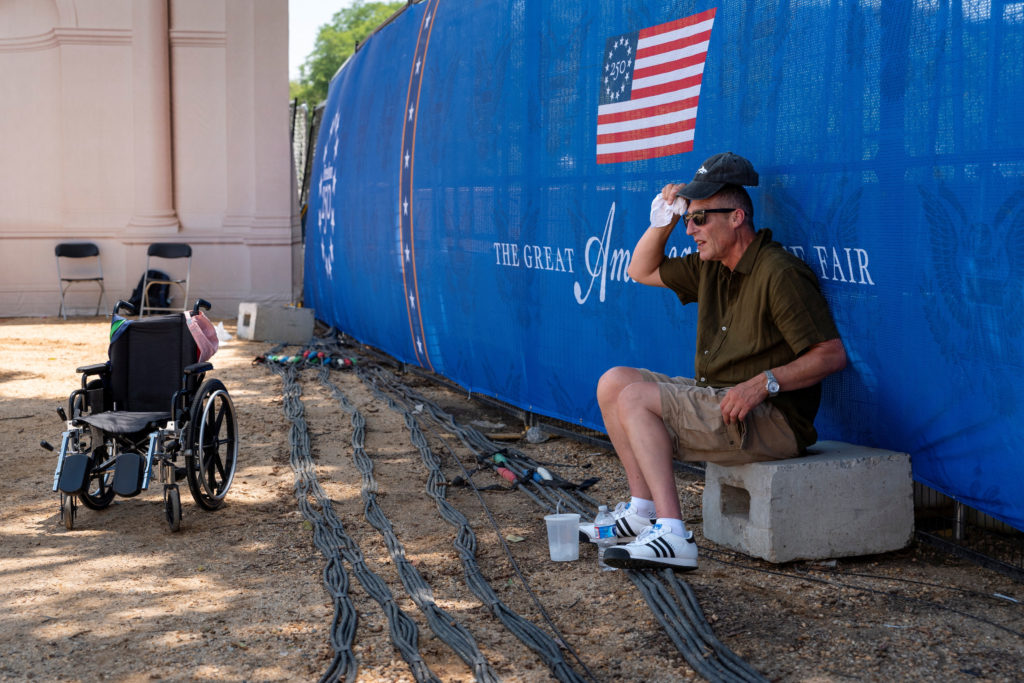
Extreme heat forced the cancellation of Independence Day parades and public events across the United States, including several in the District of Columbia, Maryland, and Virginia, during the July 4th holiday. Parades were canceled across the DMV, and celebrations were delayed.
The disruption of these celebrations highlights intensifying summer temperature extremes.
In the DMV region—comprising DC, Maryland, and Virginia—local news outlets reported a wave of event modifications. Some municipalities opted to move parades to earlier morning hours, while others cancelled them entirely. These decisions come as America celebrates its 250th birthday.
Why are heat waves causing parade cancellations?
The cancellation of July 4th events stems from extreme heat. Local officials in the DMV area cited the heat as a reason for cancelling scheduled events.

What are the primary health risks of extreme summer heat?
Certain populations face higher risks during heat waves:
- Older Adults: People aged 65 and older are more susceptible to heat-related illness due to a decreased ability to regulate body temperature.
- Young Children: Children’s bodies heat up faster than adults’, and they are more prone to dehydration.
- Chronic Health Conditions: Individuals with heart disease, lung disease, or diabetes are at increased risk, as these conditions can impair the body’s response to heat.
- Outdoor Workers: Those exposed to direct sunlight for extended periods are the most likely to suffer from acute heat stress.
How does climate change influence these holiday heat events?
The increasing frequency and intensity of heat waves during the July 4th period are consistent with trends. The trend of cancelling or rescheduling Independence Day events is seen by some analysts as a precursor to a permanent shift in summer urban planning, where “heat days” are factored into event scheduling much like “rain dates.”
What is the impact on the upcoming America 250 celebrations?
The challenges faced during recent July 4th celebrations are weighing heavily on the planning for America 250.
Planners must now account for the high probability of extreme heat. This includes the potential for:
- Mandatory Cooling Stations: Integrating high-capacity misting tents and air-conditioned refuges into event layouts.
- Shifted Timelines: Scheduling major speeches and parades for early morning or late evening to avoid peak solar radiation.
- Health Screenings: Implementing more robust medical triage points at mass gatherings to identify early signs of heat stress.
- Hydration Mandates: Ensuring free, accessible water stations are distributed every few hundred feet along parade routes.
The risk is not only to participants but to the infrastructure itself.
How can the public stay safe during record heat waves?
Public health authorities recommend several concrete steps to mitigate the dangers of extreme heat during outdoor celebrations.
Other safety measures include:
- Wearing Appropriate Clothing: Light-colored, loose-fitting, and breathable fabrics (such as cotton or linen) help the body release heat.
- Seeking Shade: Using umbrellas or staying under canopies during the peak heat hours of 10 a.m. to 4 p.m.
- Using Cooling Centers: Many cities open public libraries and community centers as designated cooling centers for those without home air conditioning.
- Monitoring Vulnerable Persons: Checking on elderly neighbors and ensuring pets have access to shade and water.
For those attending modified events, officials suggest arriving early to avoid standing in direct sun for long periods and carrying portable fans or cooling towels. If any individual begins to feel dizzy or confused, they are urged to move to a cool area immediately and seek medical attention.
Do you have experience with heat-related event cancellations in your city? Share your thoughts and experiences in the comments below.