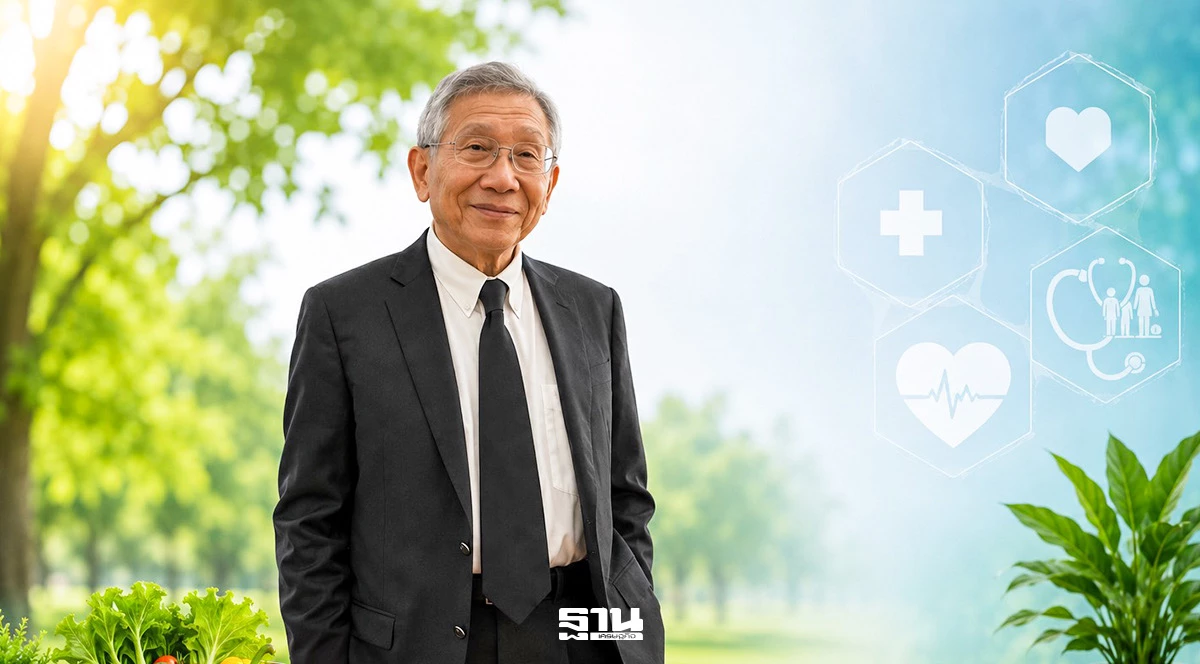
At 81 years old, a surgeon has garnered attention for his continued professional activity and self-reported health status. While maintaining a career that involves surgical procedures, he attributes his longevity and stamina to a routine that notably excludes regular physical exercise and the use of daily medications, according to reports detailing his lifestyle practices. As a physician, I evaluate such claims through the lens of established medical guidelines, which typically emphasize consistent physical activity and proactive health management for healthy aging.
The intersection of extreme longevity and unconventional health habits remains a subject of public interest. This case highlights a broader conversation regarding the factors contributing to “healthy aging,” a term defined by the World Health Organization (WHO) as the process of developing and maintaining the functional ability that enables well-being in older age. While individual outcomes vary significantly based on genetics, environment, and lifelong habits, medical consensus continues to support evidence-based interventions for maintaining long-term health.
Understanding the Physiology of Healthy Aging
From a clinical perspective, the human body’s ability to function at a high level into the ninth decade of life is rarely the result of a single factor. When an individual reports an absence of medication or structured exercise, it is important to distinguish between anecdotal success and the clinical data that governs public health recommendations.
Regular physical activity is a cornerstone of medical advice for older adults. According to the Centers for Disease Control and Prevention (CDC), moderate-intensity aerobic activity and muscle-strengthening exercises are critical for preventing chronic diseases, reducing the risk of falls, and maintaining cognitive function. For a surgeon, the physical demands of the operating room—which include prolonged standing, fine motor control, and high-stress decision-making—require a baseline of physical and mental resilience that is typically supported by sustained cardiovascular health.
The Role of Medical Supervision in Aging
The decision to forgo medication is a personal health choice that should ideally be made in consultation with a primary care physician. In geriatric medicine, the management of blood pressure, cholesterol, and other metabolic markers is often essential for mitigating the risk of cardiovascular events, which remain the leading cause of mortality globally. The World Health Organization notes that healthy aging involves managing the decline in physical and mental capacity through integrated care models.

While the ability to perform surgery at 81 is noteworthy, it represents an outlier experience. In the field of medicine, we rely on large-scale longitudinal studies to determine best practices for the general population. These studies consistently demonstrate that moderate, consistent movement—even if not categorized as “gym exercise”—can contribute to improved health outcomes. For many older adults, “lifestyle” activity, such as walking, gardening, or active professional engagement, can provide significant physiological benefits, potentially serving as a form of non-structured exercise.
Clinical Considerations for Professional Longevity
The ability of an octogenarian to continue performing surgical procedures requires not only physical stamina but also the maintenance of cognitive sharpness and steady hand-eye coordination. Medical boards and hospital systems generally have rigorous protocols for evaluating the competency of older surgeons. These evaluations typically focus on periodic health check-ups and performance reviews to ensure patient safety is never compromised.
For readers interested in the science of longevity, the following factors are widely recognized by the medical community as contributing to a longer, healthier life:

- Nutritional Balance: Focus on whole foods, including vegetables, lean proteins, and healthy fats, which support metabolic health.
- Cognitive Engagement: Keeping the mind active through professional work or learning new skills is linked to better brain health in later years.
- Social Connection: Maintaining strong community and professional ties plays a significant role in reducing the risk of depression and cognitive decline.
- Preventative Screenings: Regular medical check-ups allow for the early detection of conditions that may not present immediate symptoms.
As we continue to observe the shifting landscape of aging and workforce participation, it is essential to prioritize evidence-based practices. While the story of a surgeon continuing to operate at 81 is a compelling narrative, it serves as a reminder to focus on the broader, verified health strategies that improve the quality of life for all individuals as they age. For those seeking specific guidance on their own health journey, consulting with a healthcare professional regarding personalized wellness plans remains the most effective path forward.
We welcome our readers to share their perspectives on the balance between professional longevity and health maintenance in the comments below. Further updates regarding geriatric health policies and advancements in longevity research will be covered in our upcoming health reports.