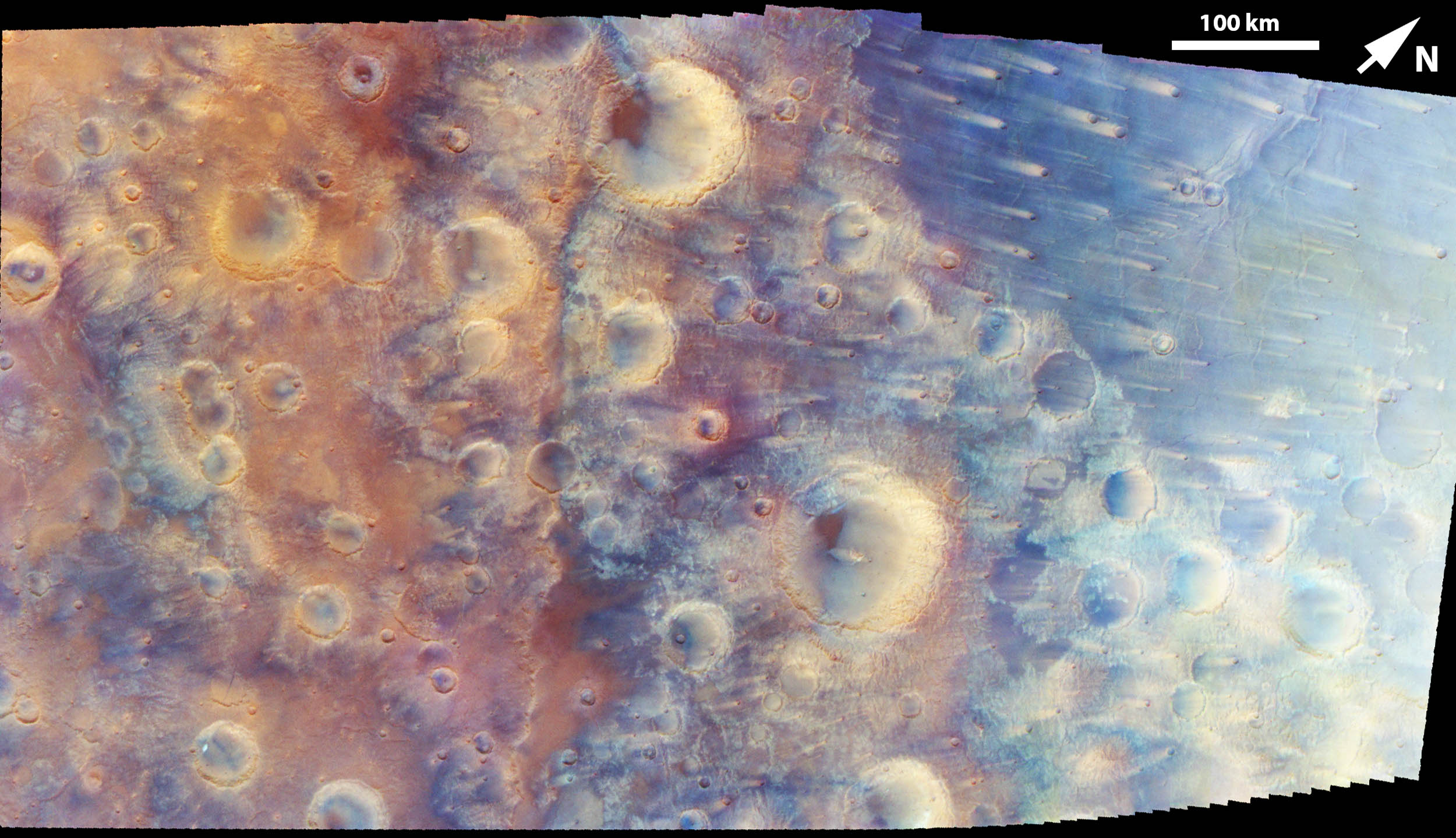
NASA’s Psyche spacecraft swept past Mars at 12,300 mph on May 15, securing a vital gravitational boost toward its asteroid destination. While using the Red Planet for a slingshot, engineers activated the probe’s scientific instruments for a monthlong rehearsal, capturing rare crescent views and calibration data.
Mars Gravity Assist Boosts Psyche Toward 2029 Asteroid Rendezvous
When NASA’s Psyche spacecraft flew by Mars on May 15, the Red Planet served a practical purpose as a gravitational slingshot to gain speed and slightly tilt its trajectory. Flying within 2,864 miles (4,609 kilometers) of the Martian surface, the spacecraft received a 1,000-mile-per-hour boost and shifted its orbital plane by about 1 degree relative to the Sun without burning a drop of fuel. Mission controllers verified the trajectory by monitoring the Deep Space Network’s Doppler signal in real time during the encounter.
This gravity assist was years in the making, and the navigation team nailed it — Psyche flew by Mars on exactly the trajectory we needed to set us on a path to rendezvous with the asteroid in the summer of 2029,
Bob Mase, Psyche’s project manager at NASA’s Jet Propulsion Laboratory in California, said in a statement.
Launched in 2023, the spacecraft is headed for a metal-rich asteroid in the main asteroid belt between Mars and Jupiter that the spacecraft is scheduled to reach in 2029. Scientists suspect the target asteroid may be the exposed nickel-iron core of an early planet, stripped bare by violent collisions during the solar system’s youth.
Although we were confident in our calculations and flight plan, monitoring the DSN's Doppler signal in real time during the flyby was still exciting,
said Don Han, Psyche’s navigation lead at NASA’s Jet Propulsion Laboratory in Southern California. We've confirmed that Mars gave the spacecraft a 1,000 mile-per-hour boost and shifted its orbital plane by about 1 degree relative to the Sun. We are now on course for arrival at the asteroid Psyche in summer 2029.
Instrument Checkouts and Science Team Operations
While the flyby was designed for orbital mechanics, mission scientists treated the encounter as an operational rehearsal.
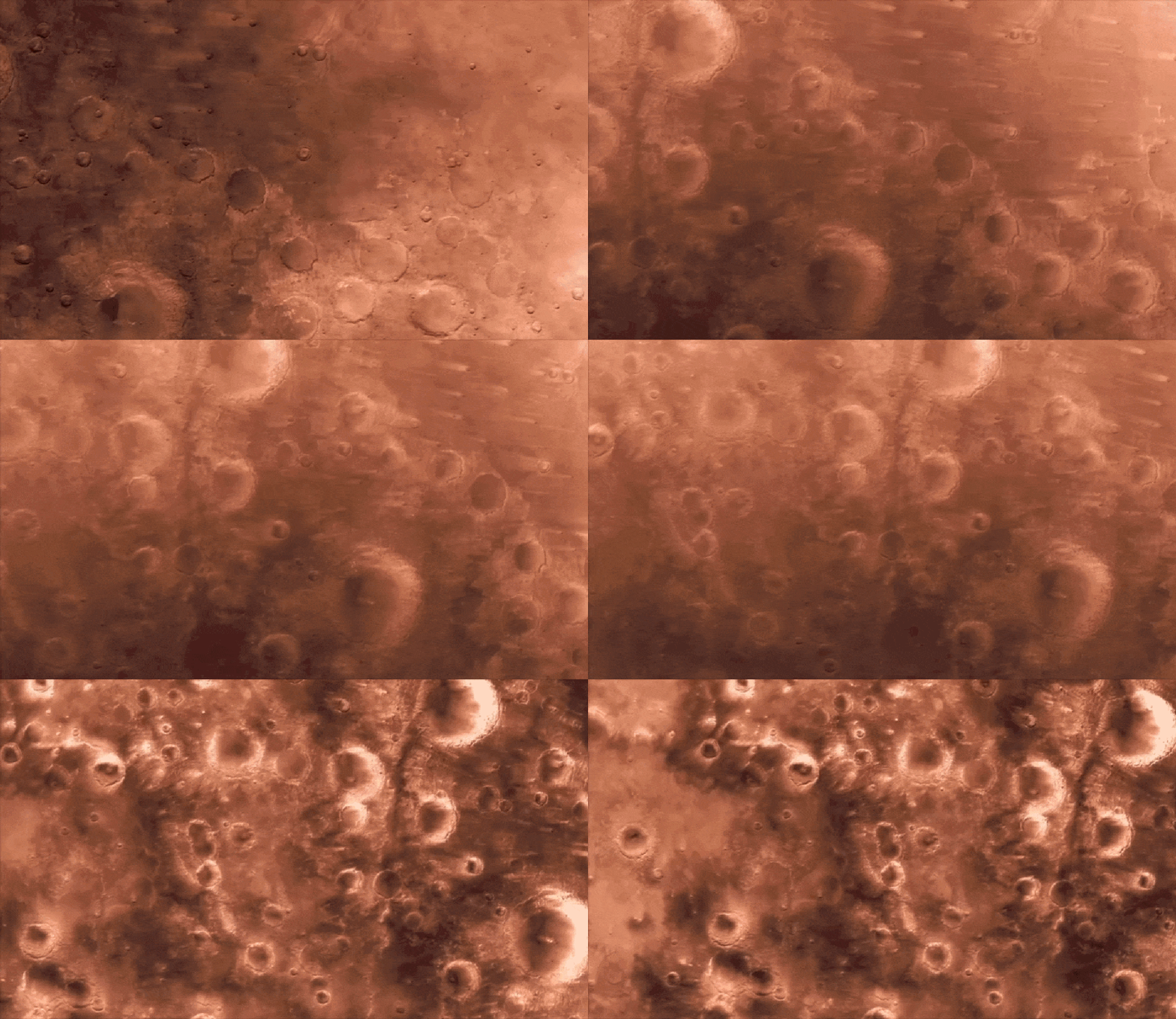
But if all our instruments are powered up, and we can do important testing and calibration of the science instruments, that would be the icing on the cake,
Lindy Elkins-Tanton said a week before closest approach. She leads the mission and directs the Space Sciences Laboratory at the University of California, Berkeley.
Multispectral Cameras Capture Crescent Mars and Practice Views
The spacecraft’s multispectral imager delivered a visual record of the Red Planet, capturing approach, close approach, and departure in a time-lapse video released by NASA and stitched from images taken throughout May. Approaching from a high phase angle relative to the Sun, Psyche initially caught Mars as a slender crescent with just 4 percent of its disk illuminated and its thin atmosphere glowing in scattered light.
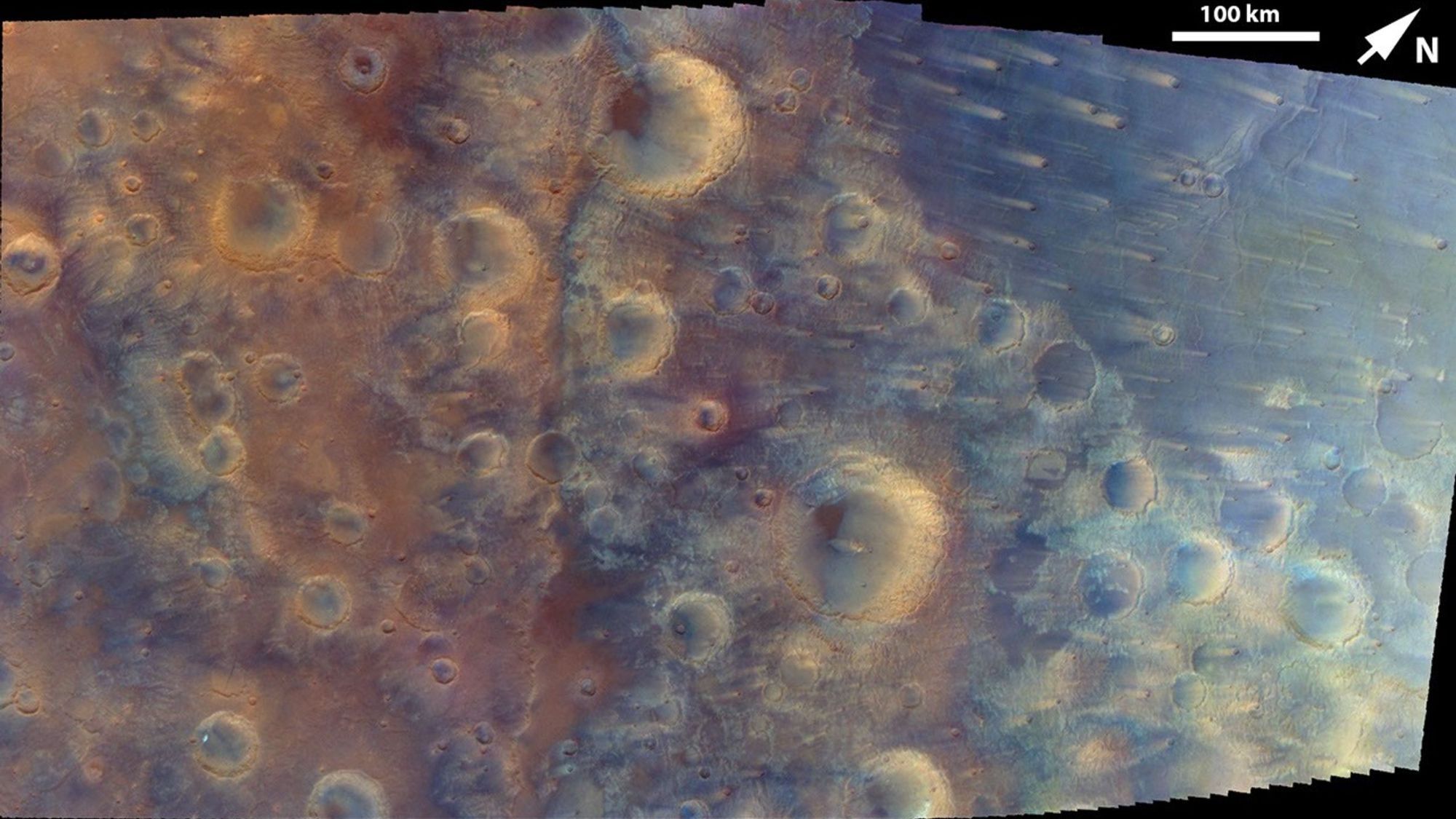
Coming in at such a high phase crescent, only about 4% of Mars was illuminated, and with that, we could see the atmosphere around it glowing,
said Hannah Zigo of Psyche’s multispectral imager team.
The sequence opens with the faint crescent of Mars growing steadily larger before gliding over the planet’s sweeping ocher vistas, pockmarked with impact craters and featuring gleaming polar ice caps shining in the sun’s light before slipping into interplanetary space.
Worth a look