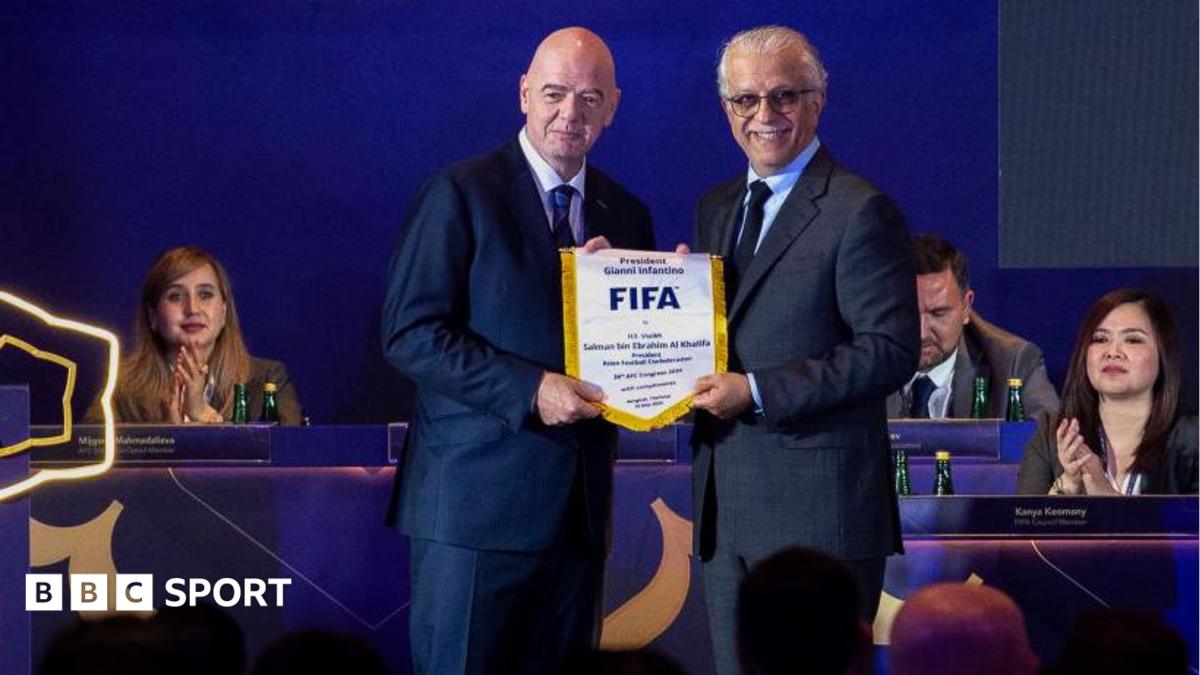
The Asian Football Confederation has formally joined forces with UEFA and Concacaf to oppose sweeping structural changes proposed by world soccer’s governing body. In a united front that spans three continents, regional leadership bodies are pushing back against plans that threaten to disrupt traditional competition schedules and alter the global balance of the sport.
According to official statements released by regional confederations, the coordinated resistance targets core aspects of upcoming tournament overhauls under consideration by FIFA. Football administrators across Europe, North and Central America, and Asia argue that unilateral calendar adjustments risk overburdening players and undermining domestic leagues without adequate consultation.
This cross-continental alignment highlights deep divisions between international governing authorities and regional confederations over the future governance of world football. As stakeholders prepare for upcoming congress meetings, the dispute centers on fixture congestion, player welfare, and the economic distribution of revenues across member associations.
Global Coalition Emerges Against Proposed Calendar Overhauls
The resistance solidified as regional leadership evaluated the long-term impact of proposed tournament expansions. UEFA and Concacaf had previously voiced strong reservations regarding international match calendar restructuring, citing the toll that additional fixtures take on elite athletes. The inclusion of the Asian Football Confederation broadens the coalition, bringing together the three most influential regional bodies outside of South America and Africa.
Sports governance experts note that coalition-building of this scale is rare in international soccer administration. By aligning their positions, the confederations increase pressure on leadership in Zurich to reconsider proposals that lack broad consensus. Domestic leagues and player unions have similarly warned that continuous fixture expansion threatens competitive integrity and athlete health.
Core Issues Driving the Dispute Between FIFA and Confederations
At the heart of the standoff are fundamental disagreements over match frequency, commercial rights, and tournament formats. Regional bodies maintain that any major calendar reform must prioritize the existing domestic ecosystem rather than creating parallel international events that crowd out local competitions.
Player welfare remains a primary talking point for opposing organizations. With top-flight players already facing demanding annual workloads across club and international duties, critics argue that additional tournaments reduce recovery periods and increase injury risks. Furthermore, member associations have raised concerns regarding financial transparency and the distribution model associated with revamped global competitions.
Next Steps in International Football Governance
The debate is expected to dominate discussions at upcoming executive committee meetings and general assemblies across the sport. Member associations face crucial decisions regarding governance reform, calendar synchronization, and voting thresholds required to pass structural changes.
Stakeholders will monitor upcoming official updates and governance summits as governing bodies attempt to negotiate a compromise before the final implementation window closes. Readers are encouraged to share their thoughts on the future of international competition in the comments below.
Worth a look