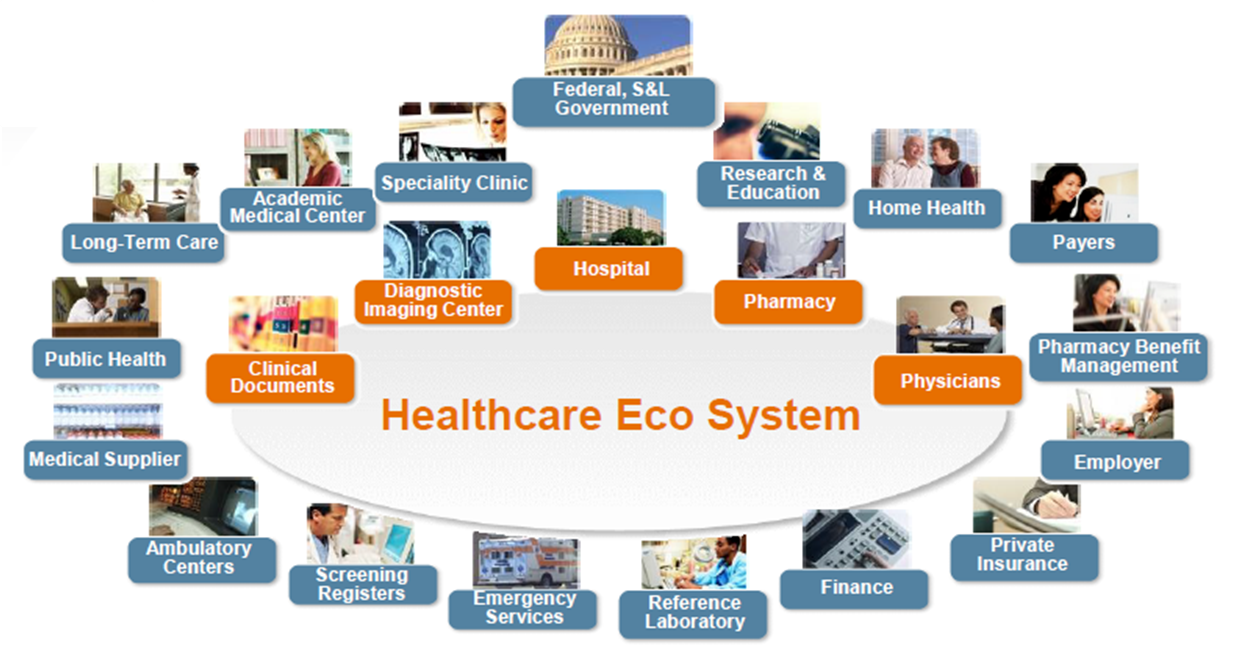
Modern healthcare systems generate an immense volume of digital exhaust, where every lookup, data exchange, routing hop, and system-to-system handshake leaves behind a distinct electronic footprint. Despite this pervasive tracking, patients rarely see any of these access logs, and regulations in the United States currently do not require healthcare organizations to provide them directly to consumers. This dynamic creates a distinct transparency paradox within modern medicine: while detailed audit trails are essential for data security, accountability, and regulatory compliance, delivering raw machine logs straight to patients would likely overwhelm rather than empower them.
As electronic health record ecosystems expand and national health data networks grow, understanding how digital records are monitored requires looking past raw machine output toward structured frameworks like FHIR AuditEvent and IHE Basic Audit Log Patterns (BALP). These technical standards form the backbone of modern health data security, balancing the strict demands of privacy enforcement with the emerging promise of patient-facing safety intelligence tools.
The Regulatory Reality of Patient Access Logs
A common misconception among health consumers is that federal privacy rules guarantee individuals a comprehensive record of everyone who looks at their medical files. Under current United States regulations, no federal mandate requires healthcare providers or health systems to supply patients with an itemized log detailing every access, use, or disclosure of their electronic protected health information. While the European Union’s General Data Protection Regulation (GDPR) offers more expansive actionable rights regarding data processing records, the U.S. framework operates under a different statutory structure.
The Health Insurance Portability and Accountability Act (HIPAA) Privacy Rule includes an accounting of disclosures provision, but its scope is surprisingly narrow. The required accounting excludes routine disclosures for treatment, payment, and healthcare operations. Furthermore, it omits the vast majority of internal system access, external data exchanges, analytics routines, quality improvement initiatives, care management reviews, research activities, and any data sharing explicitly authorized by the patient.
Recent federal interoperability initiatives have begun to shift this landscape, though only incrementally. The Trusted Exchange Framework and Common Agreement (TEFCA) introduces requirements for Qualified Health Information Networks (QHINs). Under TEFCA frameworks, participating networks must support patient access to reports showing where their health data was exchanged through the trusted network. However, this reporting mechanism is strictly limited to TEFCA-governed exchanges, tracking movement rather than internal usage, analytics, or operational workflows outside the network.
Why Detailed Audit Trails Still Matter
Even though patients do not routinely review their own access logs, healthcare institutions maintain rigorous, granular audit trails for several critical operational and security reasons. Regulatory compliance mandates form the most immediate driver. Federal and state statutes, including HIPAA, the Health Information Technology for Economic and Clinical Health (HITECH) Act, TEFCA, and CMS, require organizations to maintain audit trails.
Beyond satisfying regulators, audit logs serve as the primary defensive line for cybersecurity and abuse detection within hospital networks. Security operations centers rely on continuous audit log analysis to execute:
- Insider threat detection
- Account compromise detection
- Access pattern analysis
- Forensic breach investigations
Without exhaustive system logging, healthcare organizations lack the technical capability to detect unauthorized data mining, prove compliance during federal audits, or investigate privacy breaches effectively.
Standards Driving Interoperable Security
To make audit trails reliable across disparate software platforms, health IT developers rely on standardized data structures. The FHIR specification provides a robust, interoperable data type known as AuditEvent. The FHIR AuditEvent resource records specific telemetry data regarding system interactions, including who accessed information, what data was viewed, timestamps, from where, operational purposes, authentication mechanisms, intermediary systems, and operational outcomes.
Complementing FHIR, the Basic Audit Log Patterns (BALP) profile establishes consistent design templates for common security events, reusable data structures, cross-system interoperability guidelines, and explicit instructions for routing, retaining, and disclosing audit data. Together, these standards create a uniform audit fabric that electronic health record vendors, QHIN participants, and health systems can implement universally.
The Case Against Raw Log Transparency
Despite the technical precision of frameworks like FHIR AuditEvent, giving patients direct access to raw machine-level audit logs creates significant practical and psychological hurdles. A standard audit event entry contains highly technical identifiers, such as IP addresses, OAuth token strings, system-to-system routing metadata, internal user identification numbers, service account activities, background processes, automated system checks, batch data processing routines, and retry attempts.
Exposing this raw telemetry directly to consumers risks generating widespread information overload, misinterpretation, and unnecessary panic. A patient viewing an unvarnished log might notice that multiple background processes or automated clinical support systems accessed their chart during off-peak hours, misinterpreting routine system maintenance as unauthorized snooping. This lack of context can result in false alarms, place an unsustainable support burden on clinical staff, and inadvertently expose internal system architectures.
The Future of Patient-Facing Safety Tools
Industry experts and health informaticians argue that the ultimate goal of transparency is not handing patients raw server logs, but rather delivering actionable insights derived from those logs. The emerging frontier involves consumer-facing safety applications that monitor automated audit streams in the background, utilizing machine learning algorithms to establish normal access baselines and flag genuine anomalies.
This model mirrors modern financial fraud detection. When consumers check banking applications, they do not review every server routing hop or transaction handshake; instead, they receive automated alerts only when suspicious activity occurs. Applied to healthcare, a patient-facing safety app could monitor audit streams to alert individuals only when specific triggers arise, such as an out-of-state provider accessing records, a system account accessing data outside normal hours, an unusual data request via a health exchange network, or sudden spikes in record access suggesting compromised credentials.
By shifting the paradigm from static regulatory compliance to intelligent patient protection, the health tech sector can transform complex audit infrastructure into meaningful consumer empowerment.
Worth a look
- The Risks of Untreated Dental Infections: A Warning from a Legislator’s Experience
- AI Sleep Brain Wave Analysis Estimates Dementia Risk and Brain Age
- Higher Eosinophilic Esophagitis Prevalence Found in Pediatric Asthma Patients (newsdirectory3.com)
- FDA's Compounded Semaglutide Ban, Explained: What Changes for Patients (daybreakwire.com)