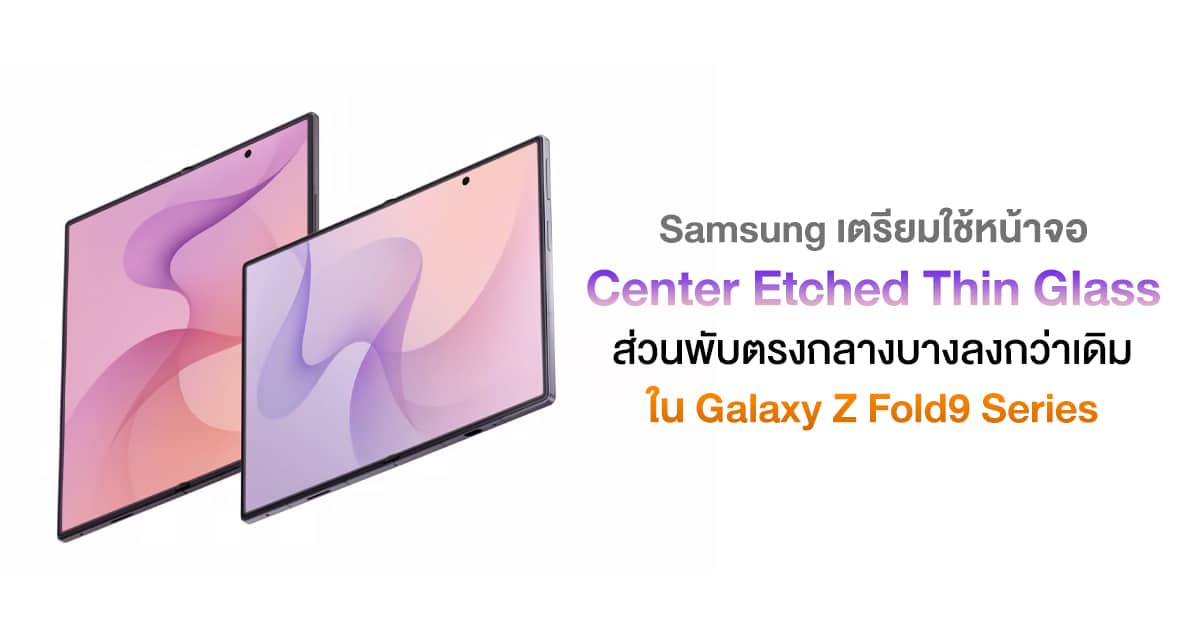
Samsung is reportedly exploring advanced cover display glass (CTG) solutions for the upcoming Galaxy Z Fold9, aimed at improving structural durability and addressing crease visibility on its flagship foldable device. Industry supply chain tracking indicates that the South Korean technology conglomerate is evaluating modified ultra-thin glass and hybrid protective layers ahead of production schedules.
As foldable smartphones capture a larger share of the premium mobile market, device endurance remains a primary engineering hurdle for manufacturers. While competitors have leaned heavily into wider aspect ratios and thinner chassis designs, Samsung’s hardware division continues to refine its panel architecture to withstand daily wear, drop impacts, and repeated folding cycles.
According to reports from supply chain analysts cited by regional technology outlets, the company is testing alternative substrate materials that could debut on the Galaxy Z Fold series. These developments build upon incremental improvements introduced in previous generations, though commercial deployment depends on yield rates and mass-production feasibility.
Engineering Durability in Foldable Displays
The structural integrity of a foldable smartphone hinges largely on its cover screen protection and the flexible organic light-emitting diode (OLED) panel underneath. Industry observers note that enhancing cover display glass (CTG) involves balancing surface hardness with impact dispersion capabilities. Standard silicate glass often lacks the flexibility required for hinges, while softer polymer films scratch easily under fingernails or stylus use.
Samsung’s past iterations of the Galaxy Z Fold lineup utilized specialized ultra-thin glass (UTG) bonded to protective plastic layers. By investigating upgraded CTG formulations, engineers hope to reduce micro-cracking and improve scratch resistance without compromising touch sensitivity or optical clarity. Market analysts point out that consumer feedback consistently ranks display durability as a top purchasing factor for foldable devices priced above $1,700.
Manufacturing partner commitments often dictate the timeline for such hardware upgrades. Reports originating from industry monitoring firms suggest that prototype evaluations are underway, with panel suppliers testing new chemical strengthening processes. However, Samsung has not officially confirmed the technical specifications or material vendors for the Galaxy Z Fold9 components.
Market Context and Competitive Pressures
The focus on display resilience comes as rival smartphone makers intensify competition within the foldable segment. Brands including Honor, OnePlus, and Google have introduced book-style foldables featuring thinner profiles and less pronounced screen creases, prompting market leaders to accelerate their research and development roadmaps.
Consumer adoption rates for foldables have grown steadily in North America, Europe, and East Asia, though high price points and durability concerns still deter mainstream buyers. Industry research indicates that addressing structural vulnerabilities directly influences brand loyalty among early adopters who upgrade their handsets every one to two years.
Analyst projections place the expected announcement window for the Galaxy Z Fold9 in the latter half of the year, aligning with Samsung’s traditional summer hardware launch cycles. Until official product disclosures are made by corporate representatives, hardware specifications remain subject to manufacturing adjustments and supply chain verification.
What to Watch Next
Industry watchers will monitor upcoming regulatory filings, component patent applications, and component supplier earnings reports for concrete evidence regarding the Galaxy Z Fold9 display specifications. Official product availability and detailed hardware breakdowns typically emerge during Samsung’s scheduled Unpacked events.
Related reading