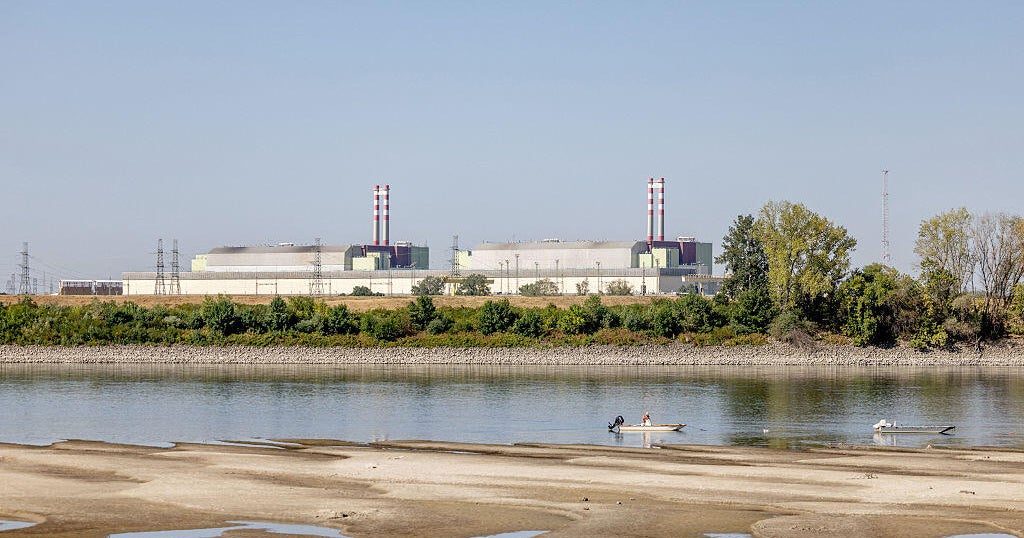
Hungary’s sole nuclear power plant narrowly avoided a complete shutdown as declining Danube River water levels stabilized just millimeters above a critical threshold. Prime Minister Péter Magyar warned of severe strain on the national power grid amid a persistent Central European drought expected to persist through the week.
Paks Nuclear Plant Operates at Minimum Capacity as Danube Reaches Record Lows
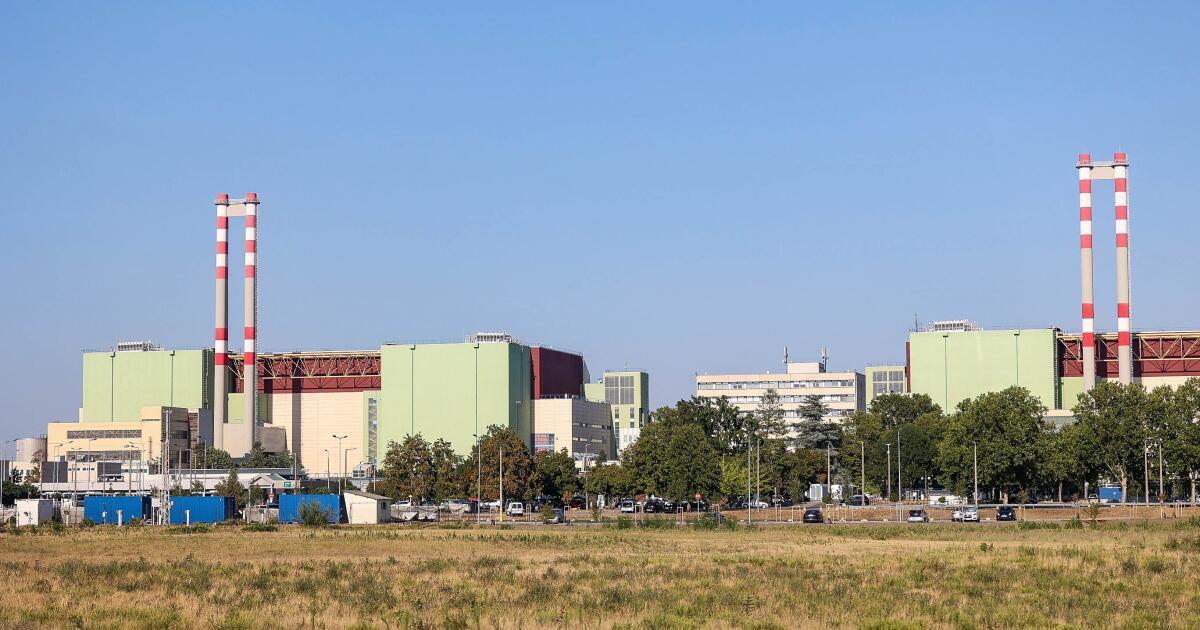
Hungary’s critical Paks nuclear facility has been operating at a fraction of its normal output, bringing the nation to the brink of an unprecedented energy crisis. Located roughly 50 miles south of Budapest, the 44-year-old Soviet-designed plant normally generates approximately half of Hungary’s electricity supply using cooling water drawn directly from the Danube River.
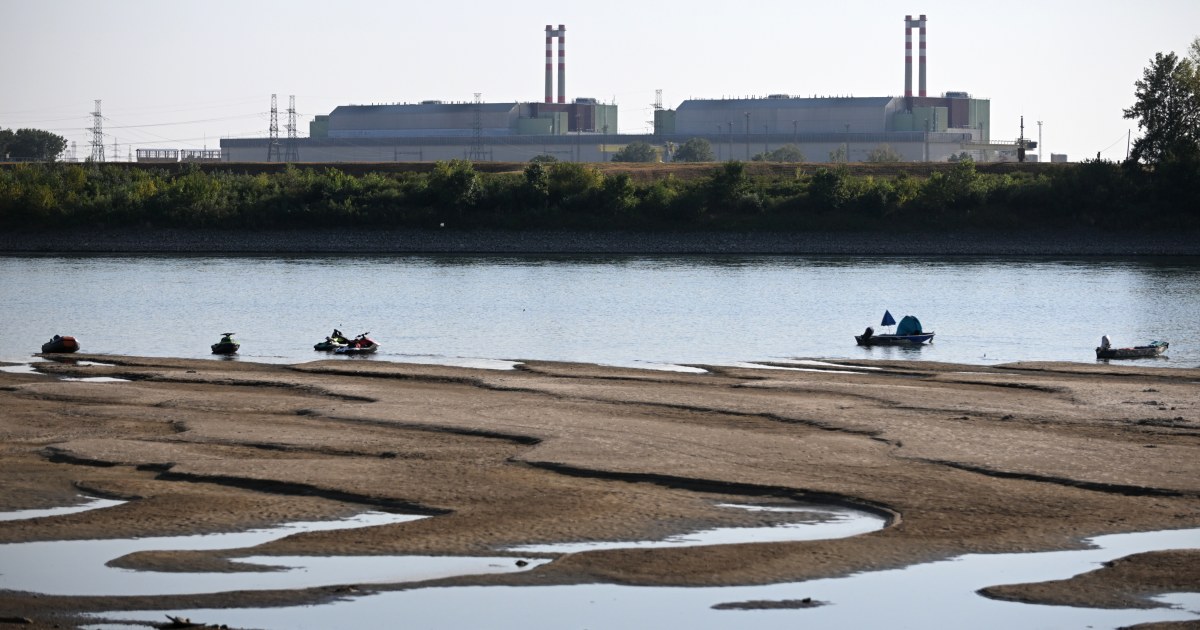
However, an acute summer drought stretching across southeastern Europe has driven water levels down dramatically. While nuclear plants in other Western nations rely on recirculating cooling towers, Paks depends on continuous intake from the river. As water levels plunged, the facility reduced operations producing 965 megawatts of power rather than the usual 2,000.
Prime Minister Péter Magyar inspected the facility, noting that the river receded far past previous historical lows recorded during a 2018 drought. Magyar cautioned that the water level at Paks could drop to negative 57 inches, falling well past the negative 39 inches set in 2018. Full plant shutdown protocols are triggered when gauges drop to negative 134 centimeters.
Narrow Escape From a Complete Grid Shutdown
Emergency operations at the plant reached a razor-thin margin early in the week. Prime Minister Magyar detailed the tense overnight hours in a public update regarding the facility’s last active turbine.
“Around 1:30 a.m. we were only a few millimeters away from the full powering down of the Paks nuclear plant but then the decline in the water level stopped and it rose 1.5 centimeters by the morning,”
Prime Minister Peter Magyar, via Reuters
Despite the temporary reprieve, officials warned that the danger has not passed. Forecasters anticipate little to no precipitation in the immediate future, though Magyar pointed to potential rainfall in Austrian catchment areas that could arrive around Thursday. Magyar emphasized to the public that any eventual shutdown would be executed safely without posing environmental or public safety risks.
National Power Conservation and Regional Grid Strains
To offset generation shortfalls at Paks, Hungary has nearly doubled electricity imports from neighboring countries utilizing Europe’s interconnected power grid.
Domestically, authorities enacted sweeping energy-saving measures. More than 300 government-linked buildings in Budapest turned off interior lighting, and decorative illuminations on major landmarks like Buda Castle and the Chain Bridge went dark. The government also requested that households avoid running heavy appliances such as washing machines and tumble dryers during peak evening hours between 5 p.m. and 10 p.m.
Major industrial players stepped in to reduce grid strain as well. Hungarian energy conglomerate MOL committed to slashing its electricity consumption by 65 megawatt-hours, marking a 40% reduction from normal operations. Additionally, the government recommended suspending parliamentary sessions scheduled for Monday and Tuesday to conserve energy.
Cross-Border Impacts Along the Drought-Stricken Danube
The drought’s toll extends far beyond Hungary’s borders, impacting navigation and power generation throughout the Danube basin. In neighboring Romania, state-owned nuclear producer Nuclearelectrica shut down one of its two reactors at the Cernavoda plant earlier in the week as water levels fell.
Romanian authorities launched emergency engineering efforts, using the Romanian navy to detonate rock outcrops and sinking four rock-filled barges to divert water toward the Cernavoda plant’s intake channels.
European institutions are actively tracking the crisis. The European Commission announced it was monitoring developments closely and weighed launching an emergency gathering via its Electricity Coordination Group, while financial analysts noted that purchasing replacement energy could cost Hungary.
Related reading