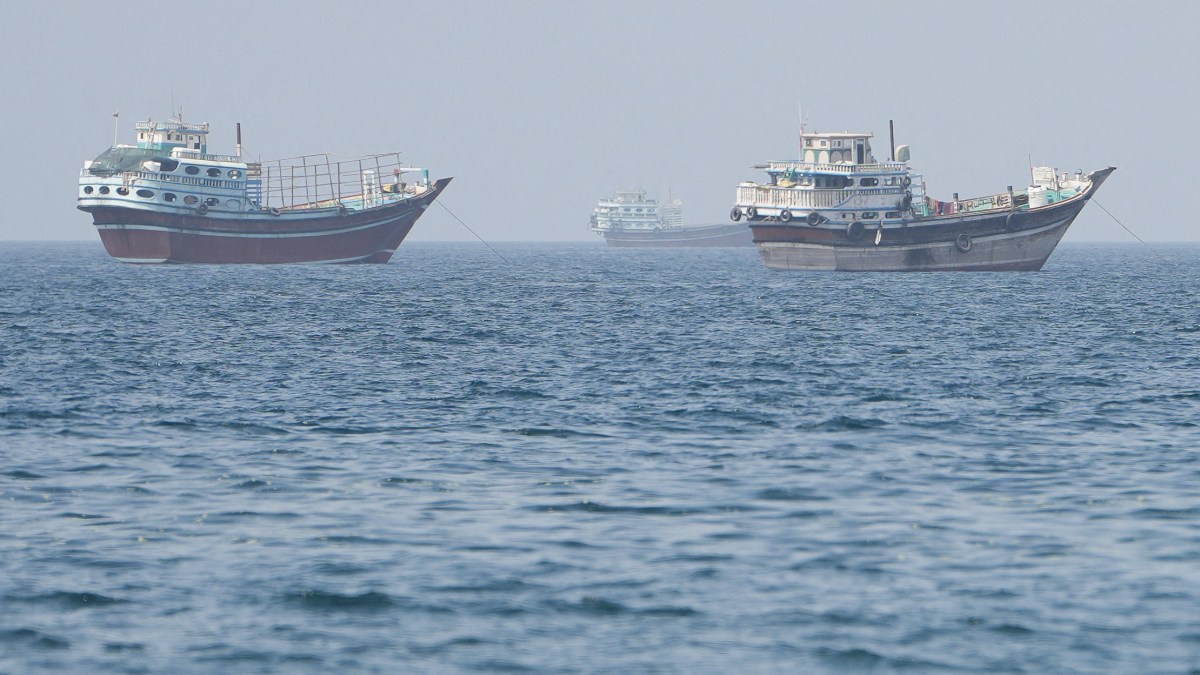
The United Arab Emirates accused Iran of striking an Abu Dhabi National Oil Company tanker with a missile in the Strait of Hormuz on August 8, 2026, marking a sharp escalation as regional governments condemned the attack while parallel diplomatic talks between Tehran and Oman over the waterway neared completion.
The United Arab Emirates stated on Saturday that Iran targeted a tanker owned by the Abu Dhabi National Oil Company (ADNOC) with a missile while the vessel transited the Strait of Hormuz. The strike caused no casualties, according to the UAE foreign ministry, which condemned the incident as a hostile attack and an act of piracy by Iran’s Revolutionary Guard Corps (IRGC).
The waterway serves as a vital chokepoint for a large share of the world’s seaborne oil. Before US-Israeli strikes in February kicked off a regional war, the strait carried approximately one-fifth of the world’s oil and liquefied natural gas. Regional governments reacted swiftly to the latest strike, demanding that Iran halt attacks and reopen the waterway.
ADNOC Vessel Attacks and Regional Condemnation
State-backed maritime transit through the Persian Gulf has faced mounting friction. ADNOC confirmed that one of its ships was hit by a missile during the crossing, noting through the state news agency WAM that the company’s vessels have experienced sustained hostility while transiting the strait. In an earlier statement, the company reported that 15 of its vessels had been struck by missiles and drones since the beginning of the conflict, resulting in one crew fatality and 20 injuries.

Gulf neighbors rallied behind Abu Dhabi in the wake of the latest missile strike. Gulf Cooperation Council Secretary-General Jassim Mohammed al-Budaiwi denounced the action as a dangerous and unacceptable escalation. Saudi Arabia condemned the targeting of the tanker in the strongest terms, characterizing the assault as a grave breach of international law and Resolution 2817. Qatar and Jordan issued separate statements rejecting the use of the strategic waterway as a bargaining chip and demanding unconditional reopening.
Oman Talks and the Status of the Strait
Even as tankers face kinetic threats, diplomatic channels are operating in parallel. Iranian Foreign Minister Abbas Araghchi announced that talks with Oman were approaching the final stages, though he cautioned that the ongoing discussions do not signal an immediate reopening of the waterway. Iran has maintained an effective blockade of the strait and has sought to implement user fees for passage, a move strongly resisted by the United States.
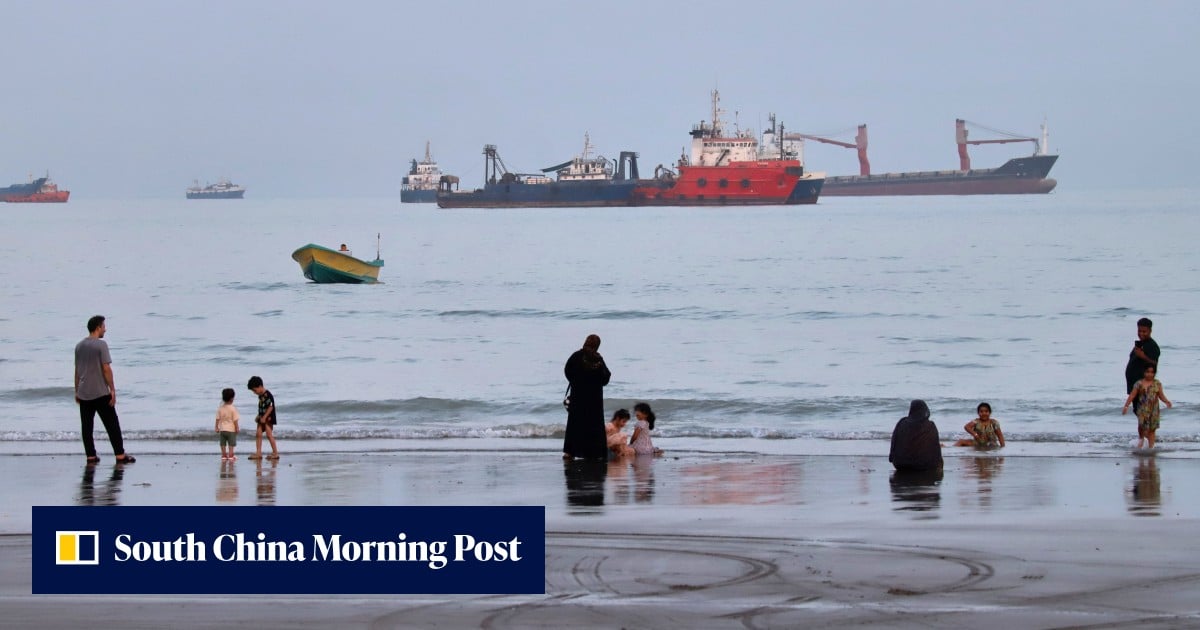
The diplomatic maneuvering follows a complex backdrop of shifting military campaigns. President Donald Trump announced that the United States was engaged in good talks with Tehran, warning that U.S. strikes would resume if negotiations failed to produce a durable outcome. Iranian officials countered that reports of requesting negotiations were fabricated, with Foreign Ministry spokesman Esmail Baghaei stating that messages were still being passed through mediators.
Iranian Foreign Minister Abbas Araghchi cautioned that the talks with Oman are not a sign of the reopening of the Strait of Hormuz.
Broader Security Pressures and Strains on Shipping
The friction inside the Persian Gulf has coincided with broader regional security incidents. Following a pause in U.S. air operations, Saudi Arabia, Jordan, and Iraq reported drone attacks launched by Iran-backed armed groups. Saudi officials confirmed shooting down drones aimed at petroleum targets in Riyadh, while Iranian state media cited an informed source reporting that authorities had turned around six offending ships that attempted to cross the Strait of Hormuz without permission.
Global energy markets have reacted sensitively to the shifting fortunes of diplomacy and conflict. U.S. crude futures fell 8.21% to settle at $81.98 a barrel following news of the U.S. bombing pause and subsequent talks, while Brent crude dropped 9.31% to close at $87.77 per barrel. Analysts and former administration officials note that resolving control over the Strait of Hormuz remains the central hurdle for any lasting arrangement between Washington and Tehran.
Worth a look