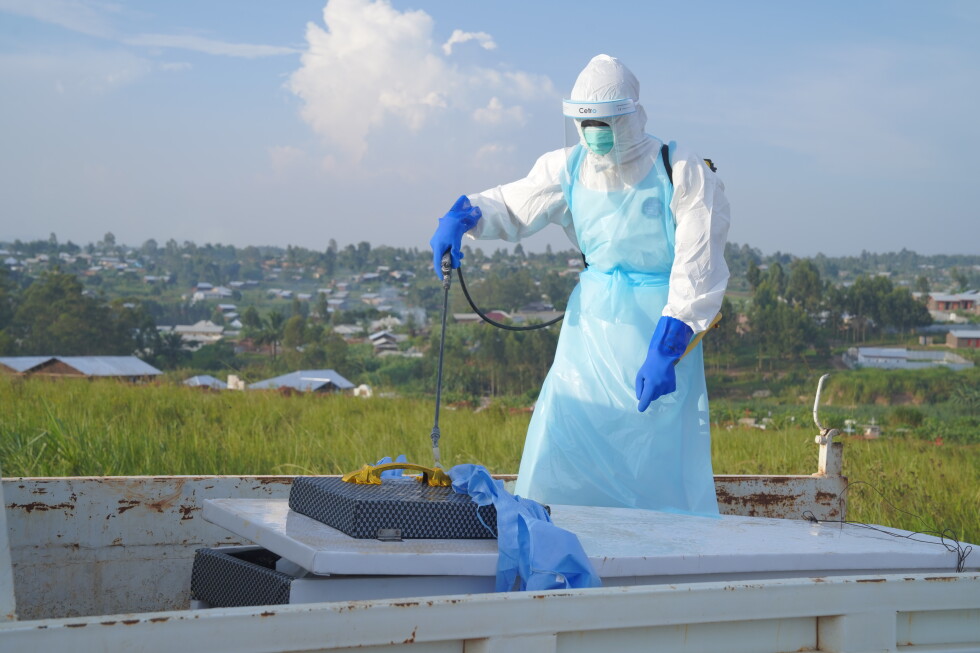
The current Ebola outbreak in the Democratic Republic of Congo is on track to surpass the deadliest in history, the World Health Organization reported. Declared on May 15, the outbreak has caused over 2,000 deaths from more than 4,300 cases, driven by a rare virus strain lacking approved vaccines or treatments.
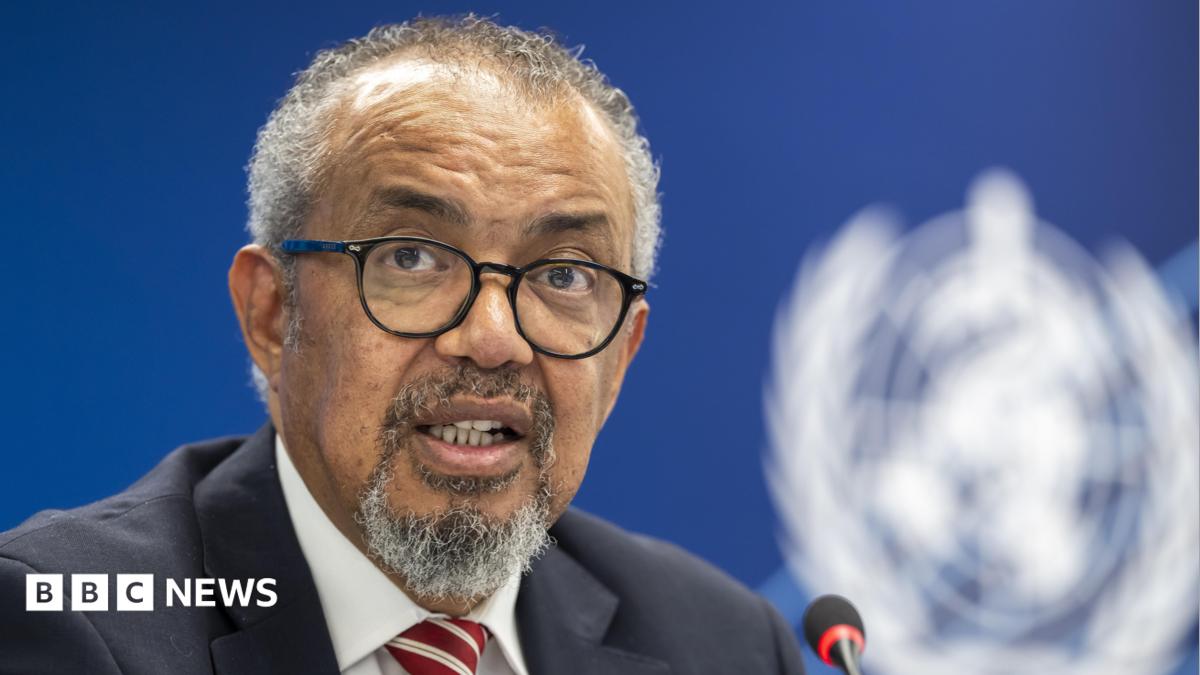
An escalating public health crisis in eastern Congo is rapidly outpacing containment efforts, with the head of the World Health Organization warning that the epidemic threatens to exceed the historic West African outbreak of 2014 to 2016. Tedros Adhanom Ghebreyesus told reporters that at its current pace, it’s on track to eclipse the prior crisis that killed more than 11,000 people. Health authorities confirmed that although the epidemic was officially declared on May 15, virus sequencing demonstrates that transmission actually began months earlier in February.
Genetic Sequencing and the Rare Bundibugyo Strain
Unlike recent viral flare-ups, the current epidemic is driven by the rare Bundibugyo species of Ebola. Historical records show this particular strain has caused only two prior recorded outbreaks, occurring in 2007 and 2012. A study published in Nature Medicine provided genetic evidence indicating the outbreak originated when the virus jumped from an infected animal to a human, rather than stemming from lingering viral chains of earlier regional epidemics.
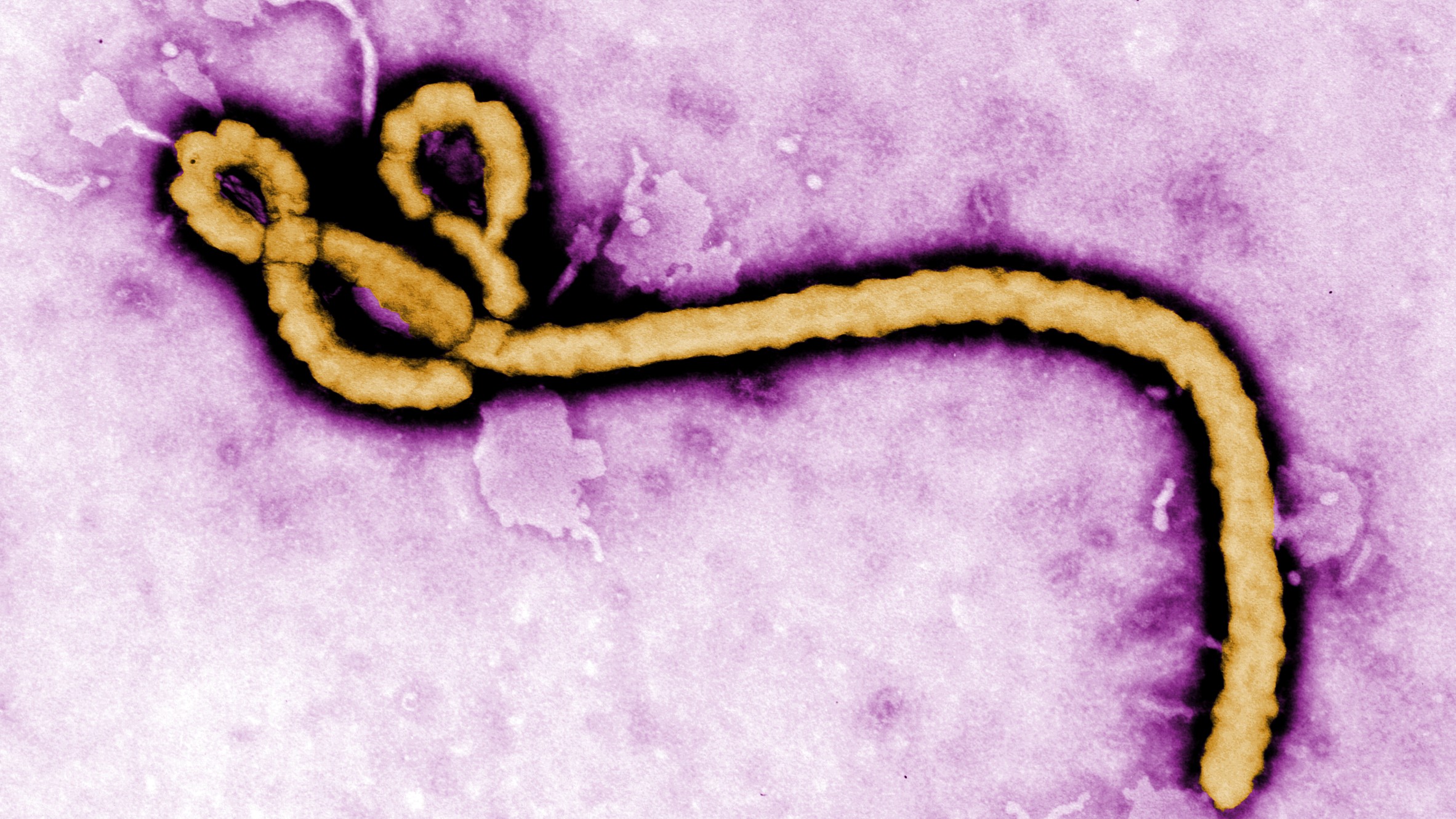
Because the Bundibugyo virus has historically appeared so infrequently, no approved vaccines or recognised therapeutic drugs exist to treat it. WHO Africa director Dr Mohamed Janabi noted during a news conference in Bunia that the virus was initially misdiagnosed as malaria or typhoid when it began circulating in February. We are chasing the virus, the virus is ahead of us,
Janabi said, describing how the pathogen gained an unmitigated head start before public health interventions could mobilize.
Regional Conflict and Community Distrust Hamper Relief
Controlling the spread has proved exceptionally difficult due to ongoing regional instability in eastern Congo, near the borders with South Sudan, Uganda, and Rwanda. Poor local infrastructure and ill-equipped health centers mean that most new cases and fatalities occur in remote communities entirely out of reach for medical personnel. According to Janabi, health workers are currently reaching about 30% of cases.
Compounding these physical barriers, relief efforts face severe community friction. Some local health workers have gone on strike over unpaid wages, while widespread misinformation about the virus circulates among residents who remain wary of outsiders and avoid visiting clinics. The outbreak had a big head start, still way ahead of us, and we’re playing catch-up,
Tedros explained regarding the compounding operational hurdles.
“At its current pace, it’s on track to eclipse the West African Ebola outbreak of 2014 to 2016.”
Tedros Adhanom Ghebreyesus, WHO Director-General
Clinical Trials for New Vaccines and Antiviral Treatments
In response to the unprecedented trajectory of the epidemic, international health agencies and researchers have launched urgent clinical evaluations. In the UK, the Medicines and Healthcare products Regulatory Agency has given permission for the first human trials of a vaccine for the Bundibugyo strain. Developed by a team at the University of Oxford, the candidate utilizes the same technological platform deployed for the Oxford-AstraZeneca Covid vaccine. Three additional research groups are also developing alternative vaccines, though those formulas have not yet advanced to clinical testing.
Simultaneously, human trials testing two potential antiviral treatments began in Ituri, the hardest-hit among the five affected Congolese provinces. The WHO is also sponsoring trials to determine whether existing antiviral therapies or animal-tested vaccine protections can be adapted to shield populations against the Bundibugyo virus.
Projected Timelines and Trajectory Scenarios
While public health officials stated an ambition to reverse the geographic spread of the disease within three months, halting transmission entirely remains a distant milestone. Dr Abdirahman Mahamud, the WHO’s director for health emergency alert and response operations, outlined the statistical outlook for the coming months.
“There is a one-case scenario where this outbreak may last nine months to 12 months.”
Dr. Abdirahman Mahamud, WHO’s director for health emergency alert and response operations
Mahamud noted that under a moderate scenario, the agency expects the epidemic to reach its peak in six months. With transmission routes active across eastern provinces and logistical challenges persisting in conflict zones, health organizations continue to monitor infection rates as clinical trials race against the advancing virus.
Keep reading