
The computing landscape is undergoing a fundamental shift, moving away from raw clock speeds and toward specialized intelligence. We are no longer just talking about faster processors; we are talking about the era of the “AI PC.” At the heart of this transition is Acer, a company that has rapidly pivoted its hardware roadmap to integrate Neural Processing Units (NPUs) directly into the hands of consumers.
Recent industry showcases, including major presentations at Computex, have highlighted Acer’s aggressive push into AI-integrated computing. By leveraging the latest silicon from industry giants like Intel and Qualcomm, Acer is attempting to bridge the gap between high-end creative workstations and everyday portable devices. The focus is clear: making artificial intelligence a seamless, local experience rather than a cloud-dependent afterthought.
From the ultra-portable Swift series to the robust Travelmate enterprise line, Acer’s strategy aims to democratize AI. This isn’t just about chatbots; it is about hardware-level optimizations that handle background noise cancellation, intelligent power management, and generative creative tools without draining your battery in a matter of hours. As we analyze these new developments, it becomes evident that the “AI laptop” is becoming the new standard for both productivity and portability.
The Silicon Engine: Intel Core Ultra and the Qualcomm Challenger
To understand the performance of Acer’s new AI-ready lineup, one must look beneath the chassis at the silicon driving the experience. The industry is currently witnessing a fascinating “arms race” between traditional x86 architecture and the rising influence of ARM-based chips, specifically tailored for AI workloads.
Intel has been a cornerstone of Acer’s hardware ecosystem, particularly with its recent advancements in the Core Ultra series. Unlike previous generations, these processors feature a dedicated NPU designed specifically to handle the mathematical heavy lifting required by machine learning algorithms. This allows the CPU and GPU to remain available for primary tasks, such as running complex software or rendering video, while the NPU manages AI-driven background processes. This architectural split is crucial for maintaining the “thin and light” profile that users expect from the Swift series, as it optimizes thermal efficiency and power consumption.
Simultaneously, Qualcomm has disrupted the landscape with its Snapdragon X series. While traditionally associated with mobile devices, Qualcomm’s entry into the high-performance laptop market represents a significant shift for Acer’s entry-level and mid-range AI offerings. These chips are designed to offer exceptional performance-per-watt, a metric that is becoming increasingly vital as users demand longer battery life alongside smarter features. The integration of Qualcomm’s architecture allows for highly efficient AI processing, making it a formidable competitor in the race to define the most efficient AI PC experience.
Redefining Portability: The Evolution of the Acer Swift Series
The Acer Swift series has long been the brand’s flagship for users who refuse to compromise on aesthetics or mobility. The latest iterations, designed to meet the demands of the AI era, focus on a delicate balance: maximizing NPU capabilities while minimizing physical footprint and weight.
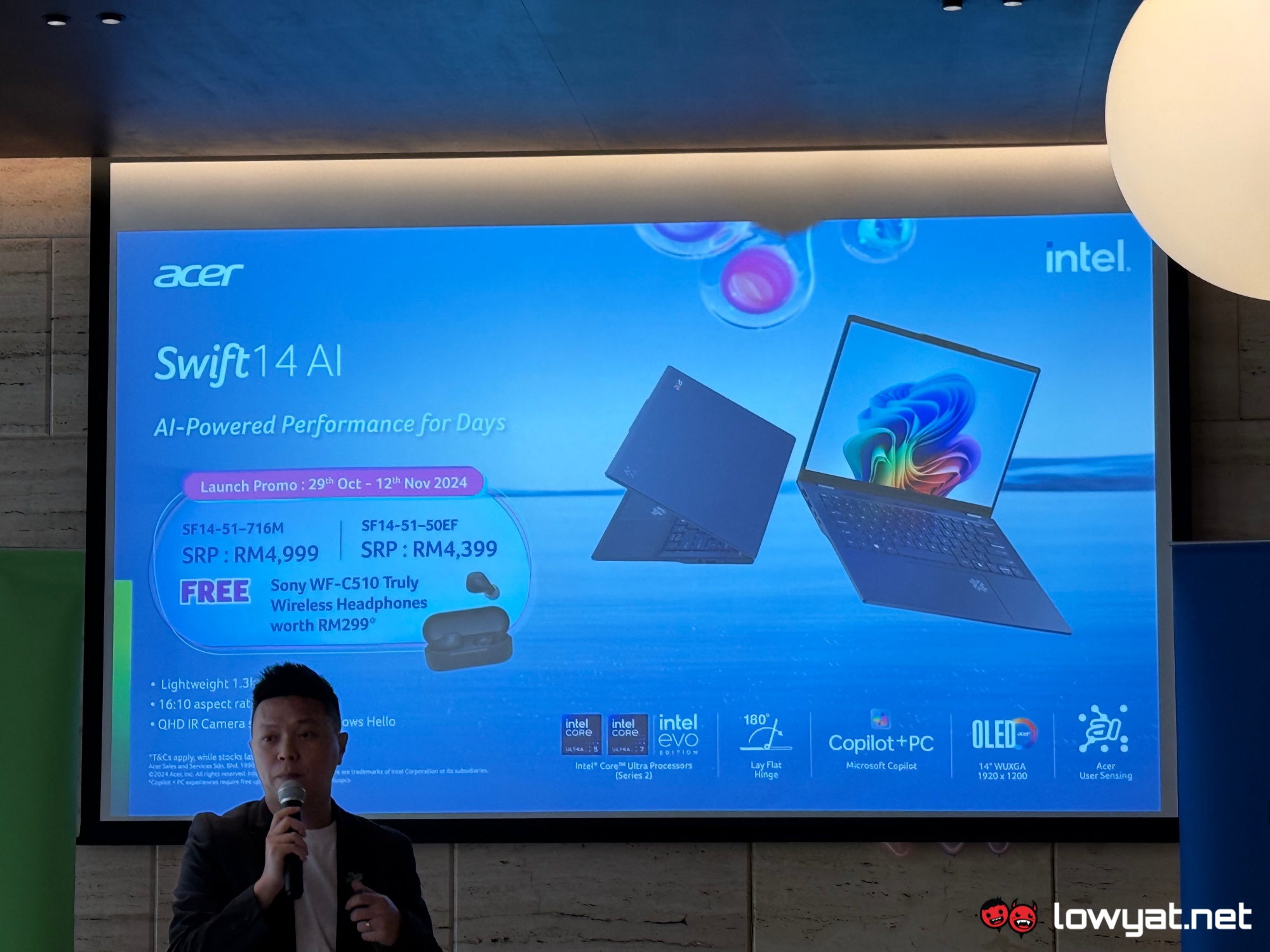
The new direction for the Swift series involves a focus on “intelligent longevity.” For instance, by offloading AI tasks to a dedicated NPU, these laptops can achieve significantly higher battery endurance. In real-world scenarios, this means a device can support a full day of intensive work—including video conferencing with AI-enhanced audio and visual clarity—without requiring a mid-day charge. What we have is particularly relevant for the modern “digital nomad” who relies on consistent performance in environments where power outlets are not always guaranteed.
the integration of AI at the hardware level allows for smarter thermal management. Instead of the fans ramping up at the slightest hint of a workload, the system can intelligently predict thermal loads using AI models, resulting in a quieter, more pleasant user experience. This makes the Swift series not just a tool for power users, but a refined companion for professionals who value a seamless, unobtrusive computing experience.
Expanding the Ecosystem: From Enterprise to Entry-Level
Acer’s AI strategy is not limited to premium consumer devices. The company is implementing a multi-tiered approach that ensures AI-driven productivity is accessible across various market segments, including business professionals and budget-conscious students.
For the enterprise sector, the Acer Travelmate series continues to evolve. Business users require more than just flashy features; they need security, stability, and reliability. Acer is integrating AI into the Travelmate line to enhance cybersecurity—using machine learning to detect anomalous behavior on the device in real-time—and to optimize collaborative tools. For a global workforce, these subtle but powerful AI enhancements can significantly improve remote meeting quality and data protection.
On the other end of the spectrum, Acer is addressing the entry-level market with models like the Aspire Go series. While these devices may not feature the same high-end NPU specifications as the Swift series, they are designed to introduce users to the benefits of AI-enhanced software. By optimizing how these budget-friendly machines handle basic tasks through intelligent resource allocation, Acer is ensuring that the “AI PC” era is inclusive, rather than exclusive to those with high-end budgets.
What “AI-Powered” Actually Means for the End User
To the casual observer, “AI laptop” might sound like marketing jargon. However, for the daily user, the implications are practical and profound. The shift to AI-centric hardware changes how we interact with our devices in three primary ways:
- Local Processing vs. Cloud Dependency: Traditionally, sophisticated AI tasks required an internet connection to reach massive data centers. With dedicated NPUs, many of these tasks—such as image generation, language translation, and advanced noise suppression—can happen locally on your laptop. This improves privacy, reduces latency, and allows for AI functionality even when offline.
- Enhanced Creativity: For creators, AI integration means smoother workflows in applications like Adobe Creative Cloud or DaVinci Resolve. Features like automatic object removal, intelligent color grading, and generative fill become faster and more responsive when the hardware is optimized for these specific mathematical operations.
- Proactive Productivity: AI in a laptop isn’t just about what you ask it to do; it’s about what it does for you. This includes intelligent battery management that learns your usage patterns to extend life, and adaptive brightness and performance settings that respond to your environment and current task.
Comparison of Acer’s AI-Ready Segments
| Series | Primary Target Audience | Key AI Focus | Core Hardware Strength |
|---|---|---|---|
| Swift Series | Premium Consumers / Creatives | Portability, Creative Tools, Long Battery | High-performance NPU & Ultra-thin design |
| Travelmate | Enterprise / Business Professionals | Security, Collaboration, Stability | AI-driven threat detection & Management |
| Aspire Go | Students / Budget-Conscious | Basic AI assistance & Efficiency | Optimized resource allocation |
The Road Ahead: Looking Toward 2025 and Beyond
As Acer continues to roll out its AI-integrated lineup, the industry is watching closely to see how software developers respond. Hardware is only half of the equation; the true value of an AI PC will be realized through a robust ecosystem of applications that are built from the ground up to utilize the NPU.
We expect to see even deeper integration between operating systems—specifically Microsoft’s Windows Copilot+ PC initiative—and Acer’s hardware. This synergy will likely lead to even more specialized features, such as real-time translation during live video calls or advanced local-first generative AI assistants that understand your specific workflow and file structures.
The next major checkpoint for the industry will be the widespread availability of these devices in global markets and the subsequent benchmarking of real-world AI performance across different software suites. As these technologies mature, the distinction between a “standard” laptop and an “AI laptop” will likely disappear, leaving us with a new generation of truly intelligent personal computers.
What do you think is the most important feature of an AI-powered laptop? Is it battery life, local privacy, or creative speed? Let us know in the comments below and share this article with your fellow tech enthusiasts.
Related reading