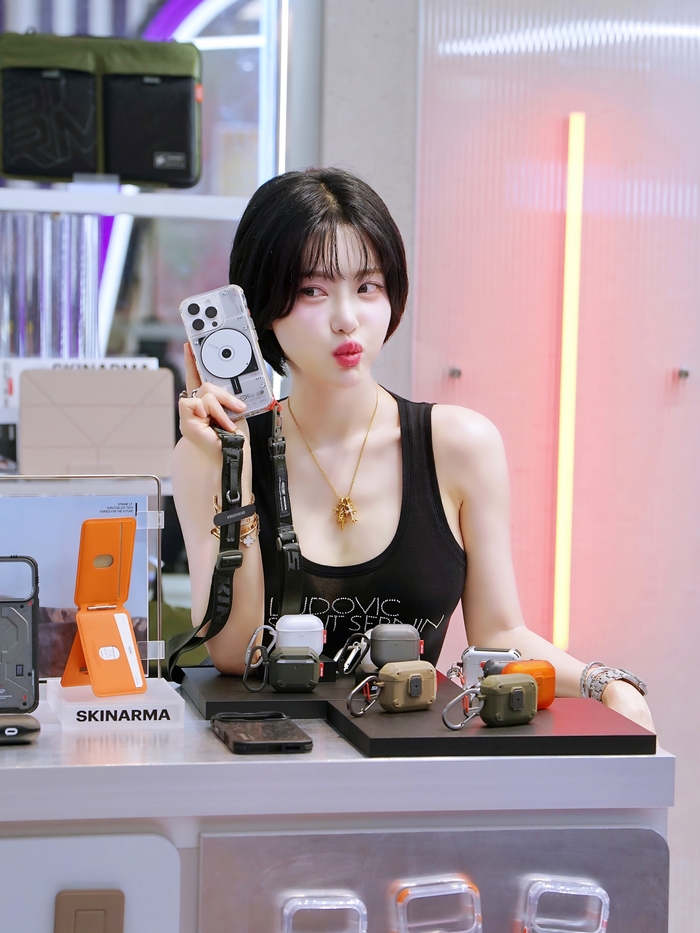
In the fast-paced world of global entertainment, public figures often navigate the delicate balance between professional presentation and personal authenticity. Recently, South Korean DJ and producer DJ Soda—known to her followers as Hwang So-hee—has sparked renewed conversation regarding the pressures of aesthetic standards and the reality of physical recovery. After experiencing a significant hair damage incident roughly one year ago, the artist has returned to the public eye with a candid reflection on her journey toward healing and the public’s perception of her appearance.
For those unfamiliar with her career, DJ Soda has cultivated a massive international following, particularly within the electronic dance music (EDM) scene across Asia and beyond. Her recent social media updates have highlighted her resilience, serving as a reminder that even those in the spotlight face relatable challenges. The discourse surrounding her recovery—specifically her recovery from severe hair bleaching damage—has prompted a broader discussion about how fans engage with their favorite idols, moving beyond superficial beauty standards to acknowledge the human effort behind the glamour.
Navigating the Aftermath of Physical Setbacks
The incident in question, which occurred over the past year, involved extensive damage to her hair resulting from repeated chemical treatments. For many public figures, hair and makeup are not merely style choices but professional requirements. When a routine procedure goes wrong, the impact is both personal and professional. According to reports from various entertainment news outlets, the artist candidly shared the struggles of dealing with brittle, damaged hair, which necessitated a period of focused care and, in some cases, significant lifestyle adjustments to allow for natural recovery.
This situation underscores a reality often hidden behind the polished veneer of social media: the toll of constant styling. In professional settings, performers are frequently subjected to heat, heavy extensions, and harsh chemicals to maintain a signature look. When these processes lead to injury, the recovery phase can be lengthy. The artist’s openness about this process mirrors a growing trend in the industry where performers are increasingly comfortable showing their “unfiltered” selves, helping to dismantle the myth of effortless perfection.
The “Sympathy” vs. “Authenticity” Debate
One of the more poignant moments in her recent communication with fans involved a pointed rhetorical question: “You aren’t saying I’m pretty just because you feel sorry for me, right?” This sentiment, shared across her digital platforms, captures the anxiety of being perceived through the lens of one’s vulnerabilities. It raises a fascinating question about parasocial relationships: do fans validate a performer’s aesthetic because they genuinely admire the look, or is there an underlying current of protective sympathy?
The artist’s concern highlights the desire for genuine feedback. In an era where digital interactions are often performative, seeking authentic validation is a bold move. It suggests a desire to be seen for her current state of health and confidence rather than as a survivor of a cosmetic mishap. This shift in narrative—from “victim of a awful salon experience” to “reclaiming my own image”—is a powerful example of agency in the entertainment industry.
The Broader Context of Professional Wellness
For those interested in the industry standards governing health and safety in performance arts, organizations such as the International Federation of Musicians provide extensive guidelines on the well-being of touring artists. While individual salon accidents are personal matters, the broader conversation about the physical toll of the entertainment industry is gaining traction. Professionals in the field are increasingly encouraged to prioritize long-term health over immediate aesthetic gains, a shift that is supported by growing public awareness regarding the dangers of improper chemical handling and over-processing.
As the conversation around DJ Soda’s recovery continues, it serves as a timely reminder of the human element in global sports and entertainment. Whether dealing with an injury on the pitch or the consequences of industry-standard grooming, the path to recovery is often non-linear. Her experience encourages a more empathetic approach to public figures, reminding us that behind every image lies an individual navigating their own set of challenges.
What Happens Next
As of this writing, DJ Soda continues her active touring schedule and content creation, maintaining a transparent relationship with her audience. We find no pending public legal actions or official health advisories regarding the specific incident mentioned, as the matter remains a private personal health journey. For those who follow her career, the best way to stay updated on her latest projects and wellness tips is through her verified social media channels, where she frequently engages with her community.
Thank you for reading this piece on the intersection of professional wellness and public image. If you found this analysis insightful, I invite you to share your thoughts in the comments section below or join the conversation on our social media platforms. As a journalist, I always appreciate hearing different perspectives on how we view the public figures who shape our entertainment landscape.
Related reading