Social Media Regulation Debate Intensifies in Switzerland and Germany
The debate surrounding the regulation of social media platforms, particularly concerning the protection of young users, is gaining momentum in both Switzerland and Germany. While discussions in Germany increasingly focus on age verification and potential age restrictions, Switzerland is grappling with a different approach – scrutinizing the algorithms that underpin these platforms. This divergence in strategy highlights a broader European conversation about how best to address the potential harms of social media while upholding principles of free expression and innovation. The core of the debate centers on whether to directly control access to platforms or to address the mechanisms that drive engagement and potentially expose vulnerable users to harmful content.
The Swiss approach, as highlighted by recent discussions, prioritizes understanding and potentially regulating the algorithms used by platforms like TikTok, Instagram, and YouTube. This focus stems from a concern that these algorithms can amplify harmful content, contribute to addiction, and negatively impact the mental health of young people. Instead of simply barring access, Swiss lawmakers are exploring ways to ensure these algorithms operate more transparently and responsibly. Here’s a complex undertaking, requiring a deep understanding of how these systems function and the potential unintended consequences of intervention. The German debate, conversely, leans towards more direct measures, such as establishing minimum age requirements for platform usage, mirroring discussions already underway in other European nations.
The Swiss Focus on Algorithmic Transparency
Switzerland’s interest in algorithmic regulation isn’t occurring in a vacuum. Concerns about the power and influence of algorithms have been growing globally, prompting calls for greater transparency and accountability from tech companies. The potential for algorithmic bias, the spread of misinformation, and the manipulation of user behavior are all driving this push for reform. In Switzerland, the Federal Office of Communications (OFCOM) has been tasked with investigating these issues and developing potential regulatory frameworks. The goal is not necessarily to eliminate algorithms altogether, but to ensure they are designed and operated in a way that prioritizes user well-being and respects fundamental rights.

This approach acknowledges the inherent challenges in regulating content directly. With the sheer volume of content generated on social media platforms every day, it is virtually impossible to monitor and moderate everything effectively. Instead, by focusing on the algorithms that determine what content users see, regulators hope to address the root causes of many of the problems associated with social media. Yet, this strategy likewise presents significant technical and legal hurdles. Understanding how these algorithms work requires specialized expertise, and any regulatory intervention must be carefully crafted to avoid stifling innovation or infringing on freedom of speech.
Germany’s Push for Age Verification and Restrictions
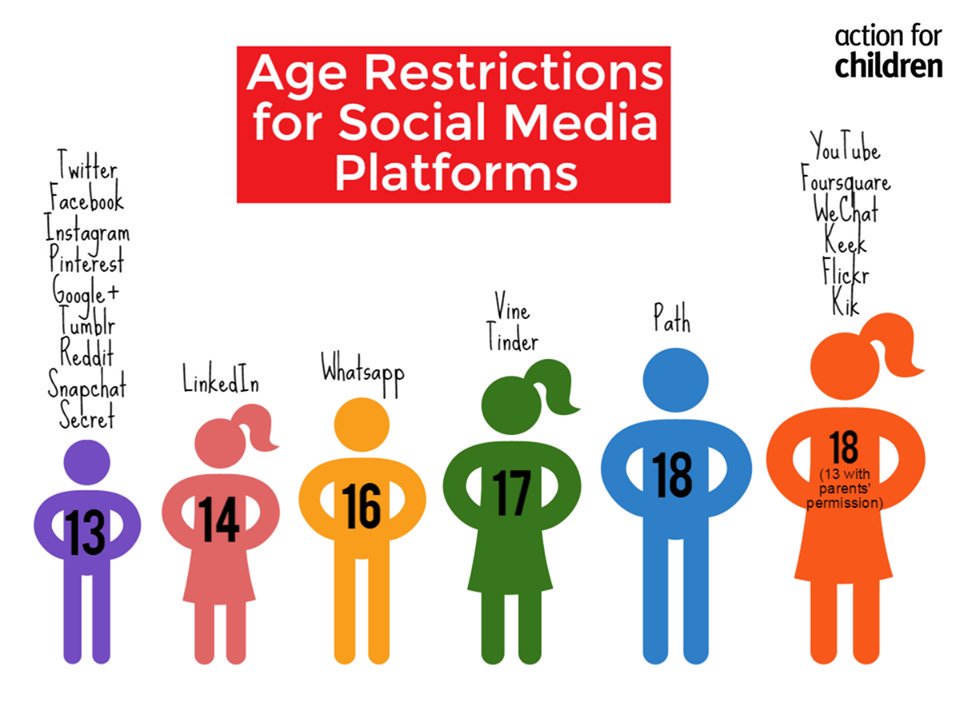
In Germany, the debate has largely centered on the idea of age verification and potential age restrictions for social media platforms. Politicians are increasingly voicing concerns about the exposure of children and adolescents to harmful content, including cyberbullying, hate speech, and sexually suggestive material. The argument is that platforms have a responsibility to protect young users and that age verification is a necessary step in fulfilling that obligation. However, implementing effective age verification systems poses significant challenges. Existing methods, such as requiring users to provide identification documents, raise privacy concerns and may not be effective in preventing underage access.
The discussion in Germany also reflects a broader trend across Europe towards stricter regulation of online platforms. The Digital Services Act (DSA), a landmark piece of legislation passed by the European Union, aims to create a safer digital space for users by imposing new obligations on platforms to address illegal content and protect fundamental rights. The DSA, which came into force in February 2024, provides a framework for regulating online platforms and is likely to influence the debate in both Switzerland and Germany. The DSA’s requirements for risk assessments and mitigation measures could also inform the Swiss approach to algorithmic regulation.
The Role of Platforms: TikTok, Instagram, Snapchat, and YouTube
The platforms themselves – TikTok, Instagram, Snapchat, and YouTube – are actively involved in the debate, albeit often defensively. They argue that they are already taking steps to protect young users, such as implementing age restrictions, providing parental controls, and removing harmful content. However, critics contend that these measures are often insufficient and that platforms prioritize profit over safety. TikTok, in particular, has faced scrutiny over its algorithm and its potential to expose young users to inappropriate content. Instagram has been criticized for its impact on body image and mental health, while Snapchat has raised concerns about privacy and data security.
YouTube, while also facing criticism, has arguably been more proactive in addressing these issues. The platform has invested in content moderation tools and has implemented policies to restrict the spread of harmful content. However, the sheer scale of YouTube’s platform makes it difficult to effectively monitor and moderate all content. All four platforms are facing increasing pressure from regulators and the public to demonstrate a genuine commitment to protecting young users and addressing the potential harms of social media. The effectiveness of their responses will likely play a significant role in shaping the future of social media regulation in Europe.
Challenges in Age Verification
One of the most significant hurdles in implementing age restrictions is the difficulty of verifying users’ ages online. Current methods, such as relying on self-declaration or requiring users to submit identification documents, are often unreliable or raise privacy concerns. Self-declaration is easily circumvented, while requiring identification documents could create a database of sensitive personal information that is vulnerable to hacking or misuse.

Several companies are developing new age verification technologies, such as biometric authentication and blockchain-based solutions. However, these technologies are still in their early stages of development and raise their own set of challenges. Biometric authentication, for example, could raise privacy concerns about the collection and storage of biometric data. Blockchain-based solutions, while potentially more secure, may be complex and difficult for users to understand. Finding a balance between effective age verification and protecting user privacy remains a key challenge for regulators and platforms alike.
The Broader European Context
The debates in Switzerland and Germany are part of a broader European conversation about how to regulate social media platforms. Countries across Europe are grappling with similar challenges, including protecting young users, combating misinformation, and promoting online safety. The European Union’s Digital Services Act (DSA) provides a common framework for regulating online platforms, but individual countries still have the flexibility to implement their own specific measures.
Ireland, for example, has established a Digital Safety Commissioner to oversee the implementation of the DSA and to enforce online safety regulations. France has introduced legislation requiring platforms to remove illegal content within 24 hours of being notified. The Netherlands has adopted a law requiring platforms to grab measures to prevent the spread of terrorist content. These diverse approaches reflect the different priorities and concerns of individual European countries. However, the overarching goal is the same: to create a safer and more responsible online environment for all users.
Key Takeaways
- Switzerland is prioritizing algorithmic transparency as a means of regulating social media, while Germany is focusing on age verification and restrictions.
- The European Union’s Digital Services Act (DSA) provides a framework for regulating online platforms across Europe.
- Implementing effective age verification systems and protecting user privacy remain significant challenges.
- Social media platforms are facing increasing pressure to protect young users and address the potential harms of their services.
- The debate over social media regulation is ongoing and is likely to evolve as new technologies emerge and new challenges arise.
As the debate continues, it is crucial for policymakers, platforms, and users to engage in constructive dialogue and to work together to find solutions that balance the benefits of social media with the necessitate to protect vulnerable individuals and promote a healthy online environment. The next steps in both Switzerland and Germany will likely involve further investigation, public consultations, and the development of specific regulatory proposals. The outcomes of these efforts will have significant implications for the future of social media regulation in Europe and beyond.