
In a concerning development highlighting the rising risks associated with digital social platforms, authorities in the historic city of Agra have apprehended eight individuals following an investigation into a sophisticated extortion and blackmail ring. The incident, which involved the lure of a meeting through a mobile dating application, underscores the growing need for vigilance among users navigating online social networks in India’s rapidly digitizing landscape.
According to local law enforcement, the incident unfolded when a victim was enticed to meet at a hotel room under the pretense of a social encounter. Upon arrival, the victim found four men already present, who proceeded to hold him hostage, assault him, and threaten his life. The perpetrators then coerced the victim into transferring ₹14,000 via an online QR code payment before he was able to escape and report the crime to the authorities. The investigation into these criminal activities, which have been linked to the misuse of dating apps, remains a priority for the Agra police department as they work to dismantle the network responsible for this coordinated extortion scheme.
Understanding Digital Extortion Risks
The rise of “honey-trapping” and digital extortion—where criminals use dating or social media platforms to lure victims into compromising situations—has become a significant concern for cybersecurity experts and law enforcement agencies across the globe. These schemes often rely on the psychological pressure exerted during a hostage situation, combined with the anonymity provided by digital payment gateways. In this specific case in Agra, the use of a QR code for an instant, untraceable financial transfer illustrates the shift toward digital-first criminal methodologies.
For users, the primary defense against such threats is increased digital literacy and adherence to safety protocols. Experts consistently advise against meeting strangers in private, isolated locations, such as hotel rooms, during initial encounters. The rapid nature of mobile-based financial transactions means that once a transfer is authorized under duress, recovering the funds can be exceptionally difficult, even with prompt police intervention. Staying informed about the official cybercrime reporting mechanisms provided by the Indian Ministry of Home Affairs is essential for anyone who feels their digital safety has been compromised.
Law Enforcement Response and Legal Framework
The arrest of the eight suspects in Agra serves as a clear signal from the authorities regarding their commitment to curbing such violent crimes. Under the Indian Penal Code and the updated Bharatiya Nyaya Sanhita, extortion, wrongful confinement, and assault are treated as grave offenses. The legal process for these individuals will likely involve a thorough investigation into their digital footprints, including the history of the dating app accounts used to facilitate the entrapment.
As the legal proceedings advance, the focus remains on ensuring that the victims of such crimes receive justice while simultaneously warning the public about the dangers of unchecked online interactions. The police have emphasized that individuals should utilize public spaces for initial meetings and maintain open communication with trusted contacts when planning to meet someone from an online platform. For those interested in tracking the progress of this legal action, the Agra District Administration website provides official updates on law and order situations in the region.
Staying Safe in the Digital Age
While technology continues to bridge the gap between people, it also creates new avenues for bad actors to exploit trust. The following safety measures are recommended by digital security professionals for users of dating and social networking applications:
- Verify Identities: Always look for platform-verified badges and be wary of profiles that lack sufficient detail or social media connectivity.
- Meet in Public: Insist on meeting in busy, well-lit public places for the duration of any initial encounter.
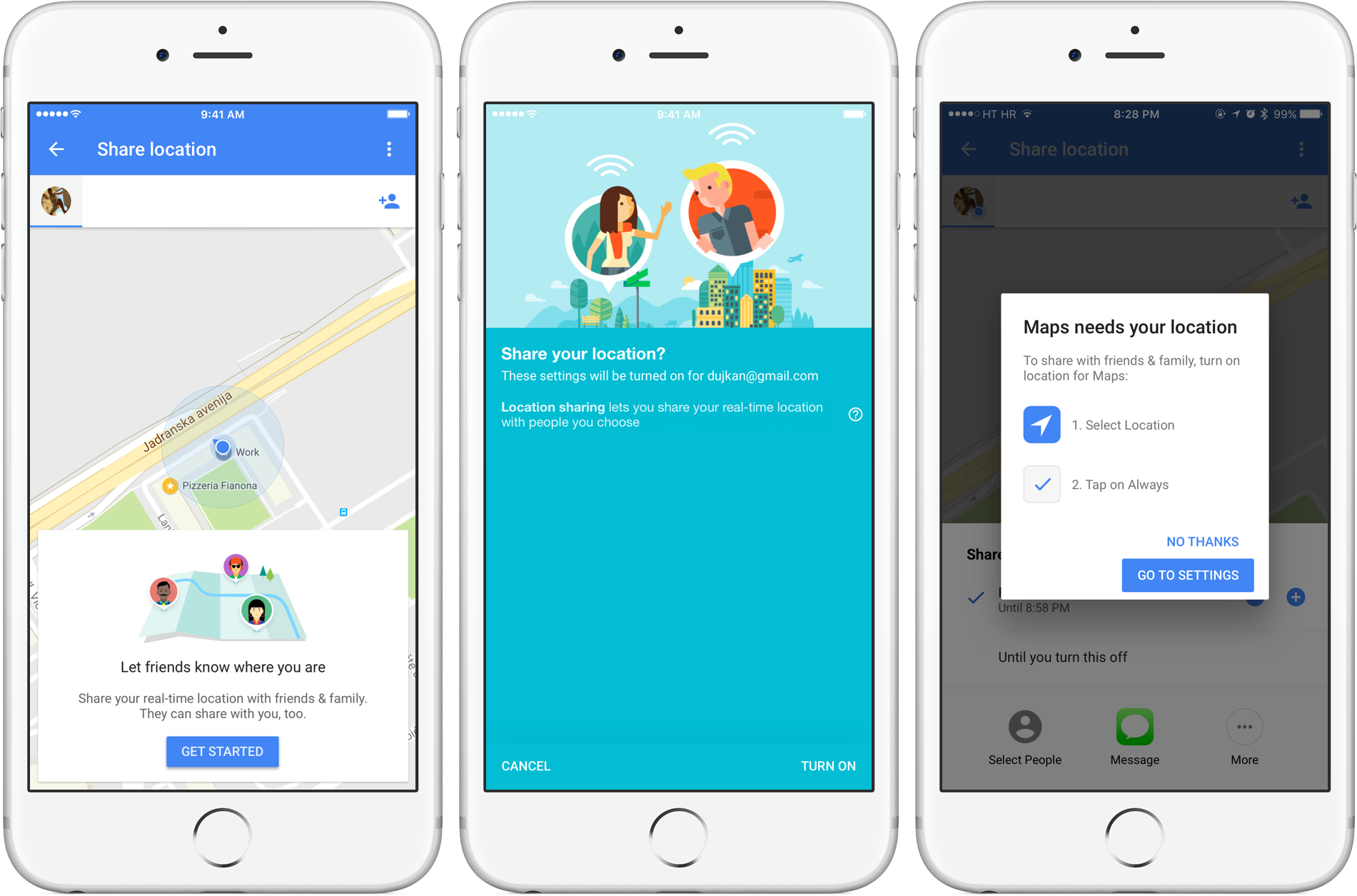
- Share Your Location: Use real-time location sharing features with a trusted friend or family member when meeting someone new.
- Protect Financial Data: Never share sensitive banking details or perform financial transactions with individuals you have not met in person and verified over time.
- Report Suspicious Behavior: Most platforms have built-in reporting tools. If a conversation feels threatening or suspicious, do not hesitate to block the user and report the account to the platform administrators immediately.
The investigation into this extortion ring is ongoing, with police officials expected to provide further details as they cross-reference evidence from the seized mobile devices. As this case progresses, we will continue to monitor the situation and provide updates on any subsequent legal developments or official policy changes regarding digital safety in the region. We encourage our readers to share their thoughts and experiences regarding digital safety in the comments section below, as community awareness remains our most powerful tool against such exploitation.