For decades, the primary obstacle facing impact-driven organizations across Africa has not been a lack of vision or a dearth of resources, but rather a systemic struggle with access to sustainable capital. This persistent gap in AI for NGO funding and resource allocation is now meeting a technological turning point. Artificial intelligence is shifting from a theoretical concept to a practical lever, enabling non-governmental organizations (NGOs) to rethink how they identify opportunities, build proposals, and secure the financial backing necessary to scale their operations.
At the forefront of this digital transition is EPIK Leaders, a Pan-African NGO dedicated to fostering a new generation of leadership. By integrating AI into the strategic framework of philanthropic funding, the organization is addressing the operational inefficiencies that often hinder the growth of social enterprises. The goal is clear: to move beyond traditional academic and administrative frameworks and embrace tools that streamline decision-making and surface relevant funding opportunities in real-time.
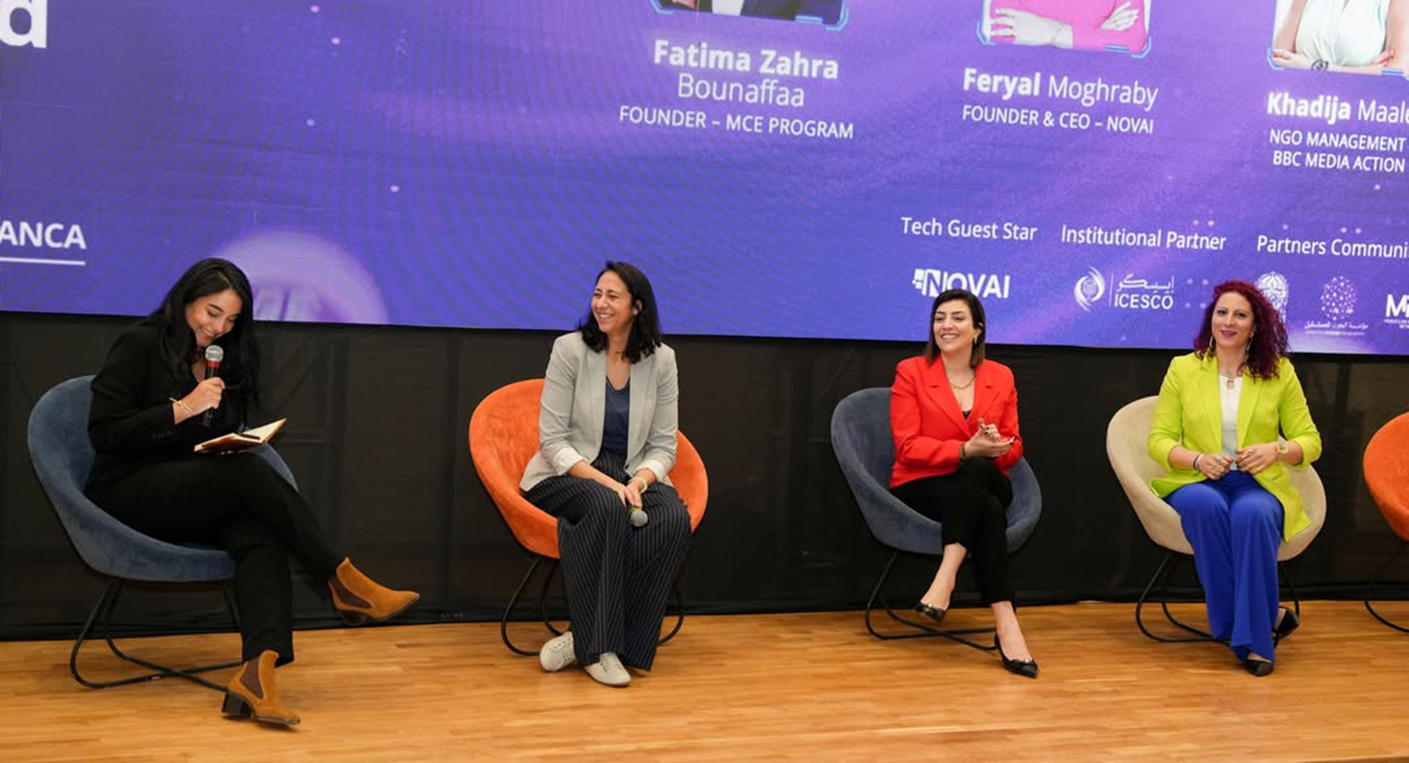
The urgency of this shift was recently highlighted during the “AI FOR IMPACT” gathering, an event that brought together a diverse coalition of NGOs, institutions, startups, and experts. The discussions centered on a shared ambition to dismantle the barriers to funding through the application of AI, emphasizing that the technology is now being used to support more effective decision-making across the sector. This initiative represents a broader movement toward a sovereign, innovative Africa where technology serves as an equalizer for social impact.
Rethinking Capital: The “AI for Impact” Initiative
Access to funding remains one of the most persistent difficulties for organizations focused on social and economic development. However, new approaches are emerging that reshape how proposals are constructed and how opportunities are identified. AI is increasingly utilized to streamline these processes, allowing NGOs to focus more on execution and less on the bureaucratic hurdles of grant seeking.
The “AI for Impact” initiative emphasizes that AI is moving from concept to practice. By leveraging data-driven insights, organizations can better align their projects with the priorities of global donors and institutional funders. This strategic alignment is critical for impact-driven organizations that often struggle to communicate their value proposition in a way that resonates with traditional financial metrics.
The collaborative nature of this effort is evidenced by the wide array of partners involved in these discussions. Key participants include the Network of Opportunities for Value, Aid and Innovation (NOVAI), Honoris United Universities, ICESCO, EMSI, the Moroccan Researchers Network (MRN), the Morocco Future Foundation (MFF), and the Moroccan Data Scientists (MDS) via EPIK Leaders’ professional network.
Leadership as the Foundation for Innovation
Whereas AI provides the tools, EPIK Leaders argues that the underlying issue in Africa is not a lack of resources, but a lack of leadership. This philosophy drove the launch of the first edition of Africa Future Leaders Day on Saturday, April 26, 2025, at ENCG Casablanca. The event served as a catalyst for identifying and propelling a new generation of leaders capable of navigating a world in mutation.
The event saw a massive turnout, with more than 400 participants from 15 African countries—including representatives from Côte d’Ivoire, Guinea, and Senegal. This gathering was designed to align with the broader dynamics initiated by His Majesty King Mohammed VI in favor of African youth, skills development, and South-South cooperation.
Mahmoud Cherkaoui, President of EPIK Leaders, has emphasized that training tomorrow’s leaders requires stepping outside the traditional academic framework. To this complete, the organization has implemented a tailor-made training program that focuses on practical learning and transversal skills. This program, which spans between one to five years depending on the participant’s background, utilizes several complementary formats:
- In-person seminars and summer universities.
- E-learning sessions for scalable knowledge transfer.
- Personalized coaching to develop leadership maturity.
- Collective experience and teamwork exercises.
Scaling the Ecosystem: Affiliate Clubs and Growth
The impact of these leadership and technology initiatives is being scaled through a network of affiliate clubs. These clubs serve as local hubs for the application of the EPIK Leaders methodology within public and private institutions. Currently, You’ll see 30 active affiliate clubs, with an additional 50 more currently in development.
By combining the technical capabilities of AI for NGO funding with a rigorous leadership pipeline, EPIK Leaders is creating a sustainable ecosystem. The integration of AI allows these leaders to be more efficient in their resource procurement, while the training ensures they have the ethical and strategic grounding to manage those resources for maximum social impact. This dual approach addresses both the “how” (technology) and the “who” (leadership) of African development.
Key Takeaways for Impact-Driven Organizations
- AI Transition: AI is moving from a conceptual tool to a practical application for streamlining NGO funding proposals and identifying opportunities.
- Leadership Gap: Technological tools are most effective when paired with a new generation of leaders trained in practical, non-traditional frameworks.
- Collaborative Networks: Success in the modern philanthropic landscape requires partnerships between NGOs, academic institutions (like Honoris United Universities), and technical experts.
- Pan-African Scale: The movement toward sovereign innovation is gaining traction across multiple nations, from Senegal to Côte d’Ivoire.
The momentum generated by these initiatives suggests a shift toward a more autonomous and technologically proficient non-profit sector in Africa. As organizations continue to adopt AI to bridge the funding gap, the focus will likely shift toward the ethical governance of these tools and the continued professionalization of the leadership managing them.
The next major milestone for this movement is already set, with participants and stakeholders having marked their calendars for the second edition of Africa Future Leaders Day in 2026.
How is your organization integrating AI into its funding strategy? We invite you to share your experiences and insights in the comments below or share this article with your network.
Keep reading