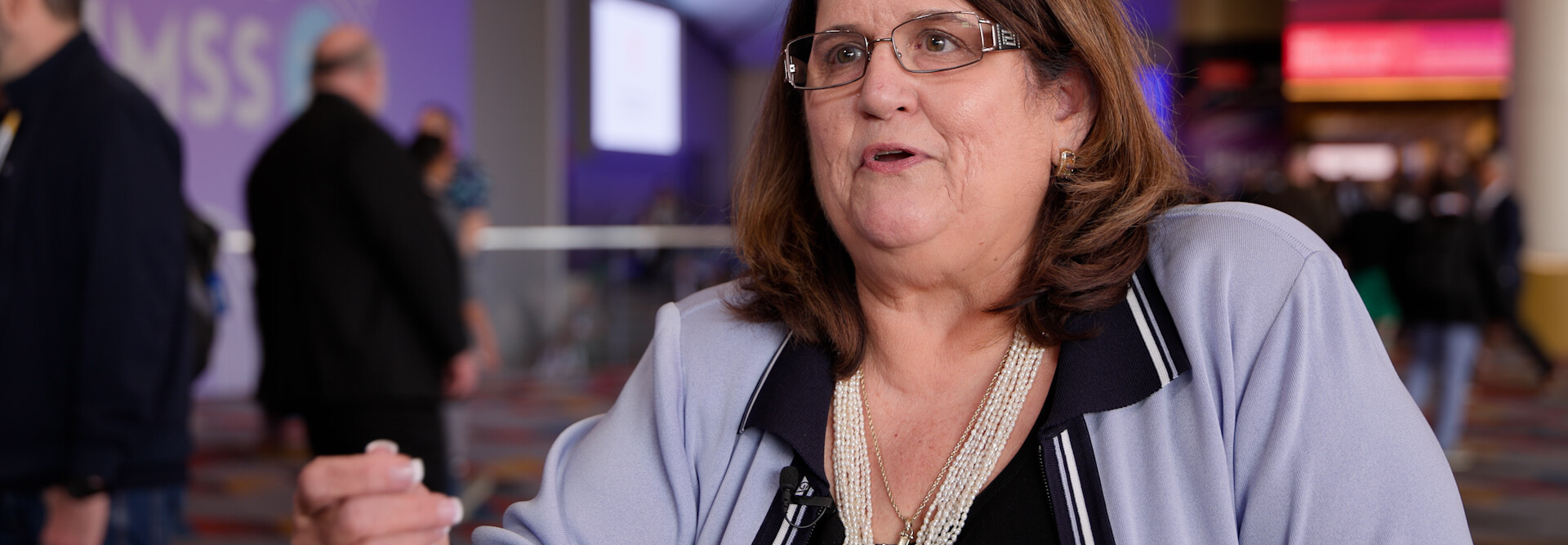
Las Vegas, NV – The demand for seamless, convenient healthcare experiences is rapidly increasing, mirroring expectations set by industries like banking and travel. At HIMSS26, currently underway in Las Vegas, healthcare leaders are exploring how artificial intelligence (AI) can bridge this gap, enhancing patient engagement and streamlining processes. From AI-powered contact centers to secure text-based communication, technology is playing an increasingly vital role in modernizing patient care.
The shift towards patient-centric care is driven by a desire for greater accessibility and control. Patients want to manage appointments, access medical records, and communicate with providers with the same ease they experience in other aspects of their digital lives. Healthcare organizations are responding by investing in technologies that automate routine tasks, personalize interactions, and improve overall patient satisfaction. This transformation isn’t simply about adopting new tools; it’s about fundamentally rethinking the patient journey.
UC San Diego Health is at the forefront of this movement, actively leveraging AI to improve patient engagement while prioritizing data security. The organization is utilizing text messaging for communication and implementing robust identity authentication protocols to protect patient privacy, a critical concern in the age of increasing cyber threats. This focus on both convenience and security is becoming a hallmark of successful patient engagement strategies.
AI-Powered Contact Centers: Reducing Workload and Enhancing Efficiency
One key area of innovation is the healthcare contact center. Traditionally burdened with high call volumes and repetitive tasks, these centers are now being transformed by AI-powered solutions. AI agents can handle routine inquiries, schedule appointments, and provide basic information, freeing up human agents to focus on more complex and sensitive cases. According to a report by CDW, blending artificial intelligence and the human touch is crucial for creating a positive customer experience. This approach allows organizations to optimize resource allocation and improve response times.
The benefits extend beyond efficiency gains. AI can also personalize interactions by analyzing patient data and tailoring responses to individual needs. This level of personalization can significantly enhance patient satisfaction and build stronger relationships. AI-powered analytics can identify trends and patterns in patient inquiries, providing valuable insights that can be used to improve services and address common pain points.
UC San Diego Health’s AI Playbook: A Model for Innovation
UC San Diego Health’s approach to AI implementation is gaining attention within the industry. At HIMSS26, Dr. Aaron Neinstein, along with Dr. Karandeep Singh and Jeffrey Pan, showcased the organization’s AI playbook, outlining their strategies for successful AI adoption. The playbook likely details the organization’s framework for identifying appropriate use cases, deploying AI solutions, and measuring their impact.
The organization’s commitment to innovation extends beyond the contact center. They are also exploring the use of AI in areas such as diagnostic imaging, drug discovery, and personalized medicine. This holistic approach to AI adoption positions UC San Diego Health as a leader in the field and a valuable resource for other healthcare organizations seeking to leverage the power of AI.
The HIMSS26 conference provides a platform for sharing best practices and fostering collaboration among healthcare professionals. The presentation by UC San Diego Health’s team offers valuable insights for organizations looking to develop their own AI strategies.
Beyond the Contact Center: Expanding AI Applications in Healthcare
While AI-powered contact centers represent a significant advancement, the potential applications of AI in healthcare extend far beyond this single area. AI is being used to analyze medical images, detect diseases earlier, and personalize treatment plans. Machine learning algorithms can identify subtle patterns in data that might be missed by human clinicians, leading to more accurate diagnoses and improved patient outcomes.
AI is playing a crucial role in drug discovery and development. AI algorithms can analyze vast amounts of data to identify potential drug candidates and predict their efficacy, accelerating the drug development process and reducing costs. What we have is particularly important in the fight against emerging infectious diseases and other global health challenges.
The use of AI in healthcare also raises important ethical considerations. Ensuring fairness, transparency, and accountability in AI algorithms is crucial to avoid perpetuating biases and protecting patient rights. Healthcare organizations must prioritize ethical AI development and deployment to build trust and ensure that AI benefits all patients.
Cybersecurity Considerations in the Age of Healthcare AI
As healthcare organizations increasingly rely on AI and data analytics, cybersecurity becomes paramount. Protecting sensitive patient data from cyberattacks is a critical responsibility. HIMSS26 features a robust cybersecurity track, with 49 sessions dedicated to addressing the latest threats and best practices. The agenda includes sessions on ransomware defense, zero trust architecture, and securing agentic intelligence.
The University of California San Diego and Jeff Tully of UC San Diego Health are featured speakers in a session focused on “Securing the Future of Healthcare AI: Agentic Intelligence.” This session highlights the growing importance of protecting AI systems from cyberattacks and ensuring the integrity of AI-driven decisions.
Healthcare organizations must adopt a proactive approach to cybersecurity, implementing robust security measures and regularly updating their systems to protect against evolving threats. Collaboration between healthcare providers, technology vendors, and cybersecurity experts is essential to create a secure healthcare ecosystem.
Notable’s Role in Automating Healthcare Workflows
Notable, a company specializing in AI agents, is also making waves at HIMSS26. They are showcasing how their AI agents can automate manual tasks across patient access, care operations, and revenue cycle management. Dr. Todd Beardman from NKC Health is providing live demos of Notable’s solutions at Booth #4358, demonstrating the practical applications of AI in improving healthcare workflows.
By automating routine tasks, Notable’s AI agents free up healthcare professionals to focus on delivering exceptional patient care. This can lead to increased efficiency, reduced costs, and improved patient satisfaction. The company’s presence at HIMSS26 underscores the growing demand for AI-powered solutions that can streamline healthcare operations.
The integration of AI into healthcare workflows is not without its challenges. Organizations must carefully consider the impact of AI on their workforce and provide adequate training and support to ensure a smooth transition. However, the potential benefits of AI are significant, and organizations that embrace this technology are likely to gain a competitive advantage.
The HIMSS26 conference in Las Vegas is serving as a crucial forum for discussing the latest advancements in healthcare technology and exploring the potential of AI to transform patient care. As the industry continues to evolve, collaboration, innovation, and a commitment to ethical AI development will be essential to ensure that AI benefits all stakeholders. The next scheduled update from HIMSS will be a post-conference report detailing key takeaways and emerging trends, expected to be released in April 2026.
What are your thoughts on the role of AI in healthcare? Share your comments below and join the conversation!