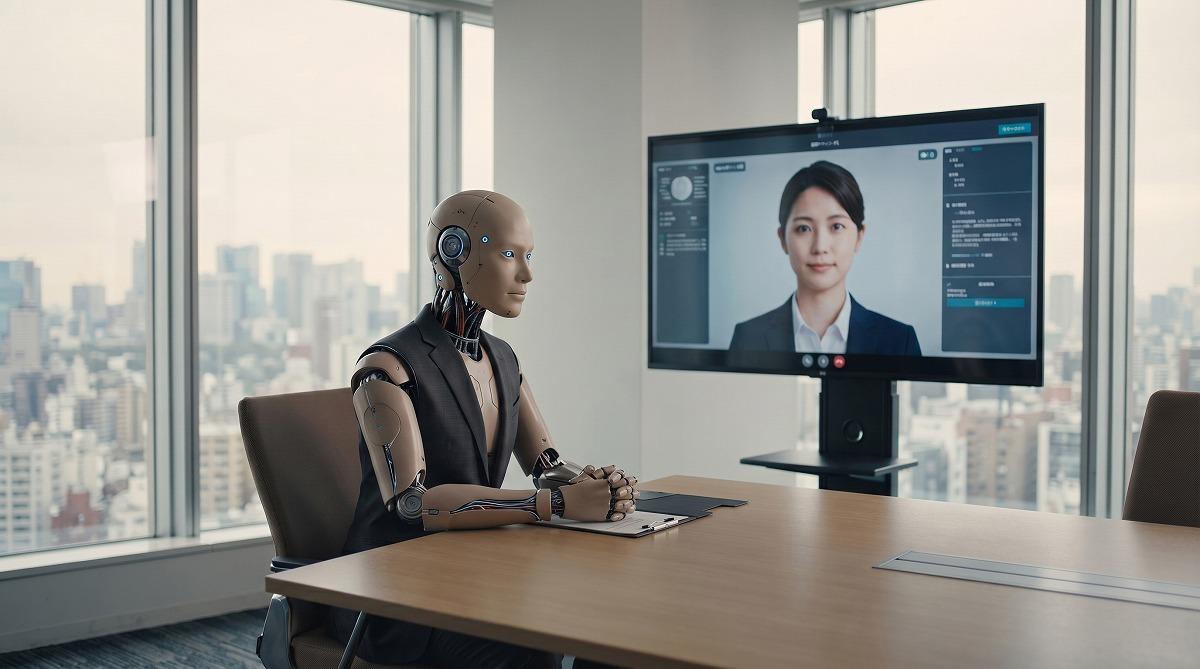
As artificial intelligence reshapes hiring practices worldwide, Japan’s leading trading houses are at the forefront of a significant shift in how companies evaluate job candidates. Major conglomerates including Mitsubishi Corp, Mitsui & Co, Itochu Corp, Sumitomo Corp and Marubeni Corp have begun integrating AI-powered interviews into their recruitment processes, particularly for high-volume graduate hiring rounds. This development reflects a broader trend where organizations seek to balance efficiency with fairness in talent acquisition amid intensifying competition for skilled workers.
The adoption of AI in recruitment is not limited to Japan. Global firms across industries are experimenting with automated systems to handle initial screening stages, driven by the need to process thousands of applications quickly whereas reducing human bias. Yet, the implementation raises key questions about what these technologies actually assess and how they influence outcomes for applicants who may find themselves unexpectedly screened out by algorithmic judgments.
According to recent reports, Japanese trading companies have announced plans to use AI interviews as part of their main selection process for the 2027 graduate hiring cycle. These systems typically analyze resumes, application essays and video responses to evaluate candidates on criteria such as logical thinking, communication skills and personality traits. The technology is primarily deployed at the first-round interview stage, where applicant volumes are highest, allowing human recruiters to focus resources on smaller pools of pre-screened candidates.
One of the key advantages cited by employers is the potential to standardize evaluations across large applicant pools. Unlike human interviewers whose judgments may vary based on unconscious biases or fatigue, AI systems apply consistent criteria to every candidate. This consistency is particularly valuable for companies like the major Japanese trading houses, which routinely receive tens of thousands of applications for only a few hundred positions each year.
Beyond efficiency, proponents argue that well-designed AI tools can aid identify promising candidates who might be overlooked in traditional processes. For instance, students from less prestigious universities or those with non-traditional backgrounds may struggle to stand out in written applications but could demonstrate strong interpersonal or problem-solving abilities during interactive AI-assisted evaluations. Some systems are specifically designed to surface “hidden talent” by focusing on competencies rather than educational pedigree.
However, critics warn that over-reliance on automation risks reducing candidates to data points, potentially missing nuanced qualities like adaptability, creativity or cultural fit that are difficult to quantify. There are also concerns about transparency, as applicants often receive little feedback on why they were not selected, making it challenging to improve for future opportunities. Ethical considerations around data privacy and algorithmic fairness further complicate the debate, especially when systems are trained on historical hiring data that may reflect past discriminatory practices.
In response to these challenges, some organizations are adopting hybrid approaches where AI serves as a supplementary tool rather than a decision-maker. For example, certain companies use AI to generate insights and rankings but require human reviewers to develop final determinations. Others, like Lawson Inc in Japan, have experimented with models that advance all applicants to human interviews regardless of AI scores, using the technology solely to gather additional data points for discussion.
The effectiveness of AI in hiring ultimately depends on how it is implemented. When used thoughtfully as part of a broader evaluation framework, the technology can enhance objectivity and expand access to opportunities. But when deployed primarily as a cost-cutting measure without adequate oversight, it risks reinforcing existing inequalities under the guise of neutrality. As more companies explore these tools, ongoing scrutiny will be essential to ensure that innovation in recruitment serves both organizational goals and the fundamental principles of fair opportunity.