Ireland’s Oireachtas Committee Examines Growing Threats Posed by AI-Generated Content
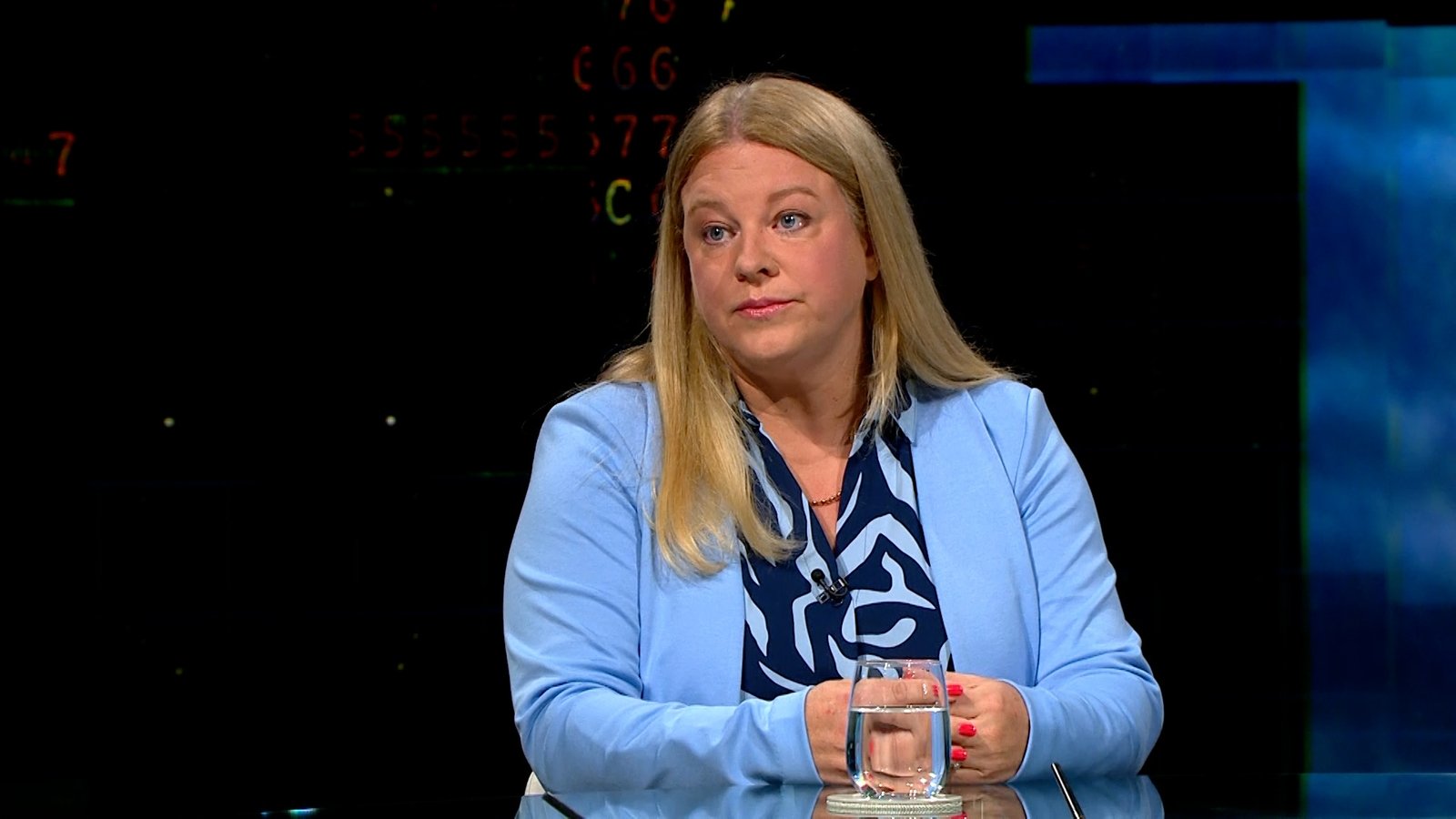
Dublin, Ireland – Ireland’s Oireachtas Media Committee is set to delve into the escalating risks associated with artificial intelligence (AI)-generated content, particularly its impact on online safety and the vulnerability of children. The committee will hear testimony today from Online Safety Commissioner Niamh Hodnett, as well as officials from the Department of Communications, as part of a broader examination of online harms. The hearing comes amid increasing global concern over the potential for AI to be used for malicious purposes, including the creation of harmful and illegal content.
The focus of the committee’s inquiry extends to the challenges of regulating rapidly evolving AI technologies and ensuring that Ireland’s legal framework keeps pace with these advancements. A key area of concern is the potential for AI to generate child sexual abuse material (CSAM) and non-consensual intimate imagery, as well as the proliferation of so-called “nudification apps” – tools that can remove clothing from images without consent. The committee is also expected to discuss the implications of tools like Grok AI, and how to address the dissemination of illegal and harmful content generated by such platforms.
AI Act and Expanded Responsibilities for Online Safety Commissioner
Niamh Hodnett, the Online Safety Commissioner, is expected to outline how her office’s responsibilities will expand under the forthcoming EU AI Act. The AI Act, approved by the European Parliament in March 2024 and expected to come into full effect in phases, aims to establish a comprehensive legal framework for AI, categorizing AI systems based on risk and imposing specific obligations on developers and deployers. According to the Oireachtas website, Ms. Hodnett’s office will be tasked with overseeing compliance with the Act, including addressing prohibited AI practices.
Hodnett is expected to emphasize the particular vulnerability of children to the risks posed by AI. Her opening statement reportedly highlights that children can be exposed to inappropriate content and addictive design features through AI-powered recommender systems and chatbots. This concern reflects a broader trend of increasing screen time and online engagement among young people, coupled with the sophistication of AI algorithms designed to capture and maintain attention. The potential for AI to personalize content and exploit psychological vulnerabilities raises significant ethical and safety concerns.
Age Verification and Digital Wallets: A Voluntary Approach
Alongside the discussion of AI-related harms, the committee will also consider plans for integrating an age verification tool into Ireland’s forthcoming digital wallet. Officials from the Department of Communications are expected to present a pilot program, envisioned to launch in the coming months, that would allow social media platforms to voluntarily utilize the tool to verify users’ ages. The initiative aims to address concerns about children accessing age-restricted content and to comply with regulatory obligations related to online safety.
Crucially, participation in both the digital wallet and the age verification tool will be voluntary. This approach reflects a desire to balance the demand for robust age verification with concerns about privacy and data security. The officials are expected to state that the wallet and tool are intended as “one of a number of options” for platforms to fulfill their regulatory requirements. This suggests that Ireland is adopting a flexible approach to age verification, allowing platforms to choose the methods that best suit their needs while still ensuring a baseline level of protection for young users.
Concerns Over AI-Generated Child Exploitation Material
The potential for generative AI to create child sexual abuse material (CSAM) is a particularly grave concern. The ability of AI to generate realistic images and videos raises the specter of a significant increase in the production and distribution of this type of harmful content. Ms. Hodnett is expected to share the public’s concerns about “nudification apps,” which utilize AI to remove clothing from images, often without the consent of the individuals depicted. These apps represent a clear violation of privacy and can be used to create and disseminate non-consensual intimate imagery.
The Irish Examiner reported in February 2024 that Coimisiún na Meán warned that AI “was not designed for children nor does it employ a safety by design approach.” The regulator also noted that generative AI is increasingly present in systems used by children, including chatbots and social media platforms, and can even be presented as a “friend.”
Committee Chair Highlights the Urgency of Regulation
Alan Kelly, Cathaoirleach (Chairperson) of the Oireachtas Media Committee, has emphasized the urgency of addressing the challenges posed by AI-generated content. He stated that members are “keen to discuss the challenges posed by the dissemination of illegal and harmful AI-generated content, including issues arising from the Grok AI tool.” Kelly also underscored the committee’s particular concern for the exposure of children and young people to harmful and illegal content online.
Kelly further stressed the importance of robust regulation and effective enforcement mechanisms, stating that Ireland’s regulatory system must keep pace with technological change and work closely with European partners. This sentiment reflects a growing recognition that addressing the risks of AI requires a coordinated international effort. The committee’s scrutiny of online safety measures and Ireland’s regulatory framework is expected to continue in the coming months, with a particular focus on developments at the EU level.
The Broader Context: EU Digital Services Act and Online Safety Regulation
Ireland’s efforts to regulate online safety are taking place within the broader context of the EU’s Digital Services Act (DSA) and the Online Safety and Media Regulation Act 2022. The DSA, which came into force in February 2024, imposes new obligations on online platforms to address illegal and harmful content. Coimisiún na Meán, established in 2023, is responsible for enforcing the DSA and the Online Safety and Media Regulation Act 2022 in Ireland. As noted by the Oireachtas, Coimisiún na Meán has the power to hold platforms accountable under this framework.
The combination of the DSA, the Online Safety and Media Regulation Act, and the forthcoming AI Act represents a significant strengthening of Ireland’s online safety framework. However, as the Oireachtas Media Committee’s inquiry demonstrates, significant challenges remain in effectively regulating AI-generated content and protecting vulnerable users, particularly children.
Key Takeaways:
- The Oireachtas Media Committee is examining the risks posed by AI-generated content, with a focus on online safety and the protection of children.
- The Online Safety Commissioner will outline expanded responsibilities under the EU AI Act.
- A pilot program for age verification within Ireland’s digital wallet is planned, but participation will be voluntary.
- Concerns are growing over the potential for AI to generate CSAM and non-consensual intimate imagery.
- Ireland is working to align its regulatory framework with EU legislation, including the DSA and the AI Act.
The Oireachtas Media Committee is scheduled to continue its examination of these issues in the coming months, with further hearings and reports expected. The outcome of this inquiry will likely shape Ireland’s approach to regulating AI and protecting its citizens from the potential harms of this rapidly evolving technology. Readers are encouraged to share their thoughts and experiences with AI-generated content in the comments below.
Keep reading