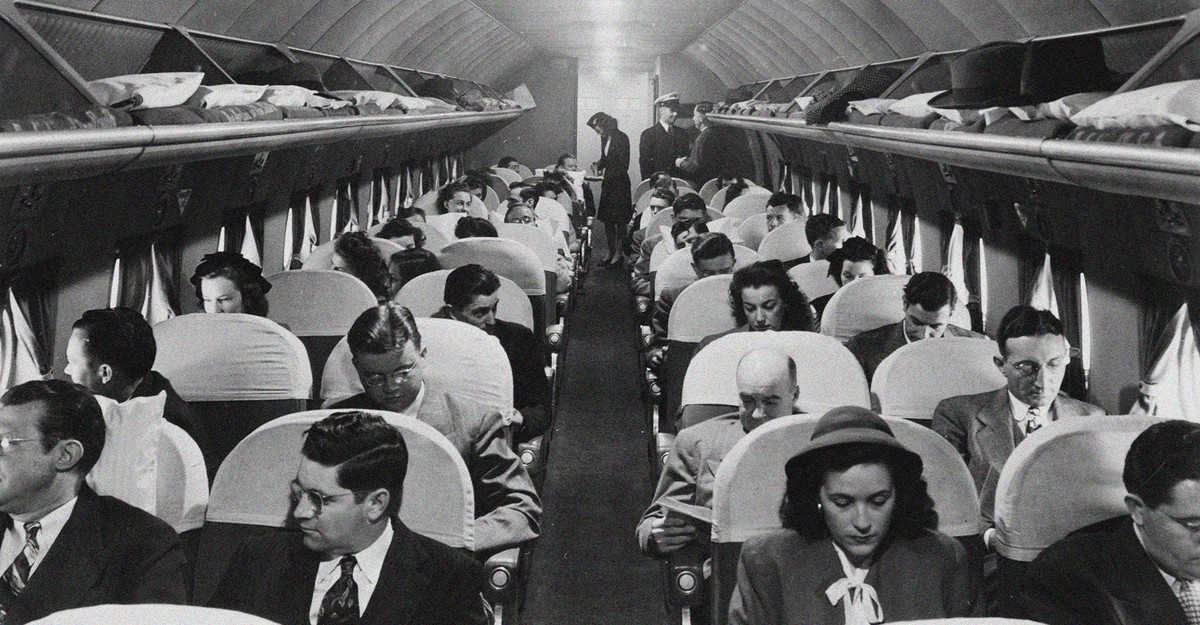
The Illusion of a “Golden Age” of Air Travel: Why Suits Won’t Solve the Real Problems
The recent suggestion to restore a sense of civility to air travel by…requiring suits? It’s a interesting idea, and one that sparked a chuckle during my last flight (while precariously balancing a cranberry juice).While the nostalgia for a bygone era is understandable, let’s unpack why focusing on what we wear misses the mark entirely. As someone who’s observed the evolution of air travel for decades, I can assure you, the problem isn’t pajamas.
The call for a return to “respectful” attire, as highlighted in a recent video from the Department of transportation, taps into a longing for a time perceived as more orderly. But confusing correlation with causation is a perilous game. Wishing for a simpler time doesn’t make the underlying issues disappear. Actually, it distracts us from real solutions.
The Real Roots of Air Travel Frustration
Let’s be honest: what truly degrades the flying experience today? It’s not a lack of suits. It’s a confluence of factors, including:
* Overcrowding: Modern planes pack us in like…well, sardines. Remember having enough space to comfortably eat a meal?
* Shrinking Legroom: This is a major contributor to passenger discomfort and, consequently, irritability.
* hidden Fees: the constant nickel-and-diming erodes trust and creates frustration before you even board.
* Delayed & Cancelled Flights: Unreliable schedules and poor interaction are a recipe for disaster.
* Understaffing: From security lines to baggage claim, insufficient staffing exacerbates every problem.
A Historical Perspective: Was There Really a Golden Age?
The idea of a “golden age” of air travel is often romanticized. But a look back reveals a more nuanced picture. Etiquette guides from the 1950s and 60s weren’t advocating for a utopia of politeness. They were warning against behaviors we still see today – removing shoes,excessive drinking,and arguing with flight attendants.
The difference? People were wearing suits while engaging in those behaviors.
In fact,the further back you go,the fewer incidents of air travel disruption you find. Ancient Rome, for example, had zero recorded airport fights. (julius Caesar’s stabbing was a separate matter, unrelated to air travel). Does this mean togas are the answer? Of course not. It highlights the absurdity of attributing civility to clothing.
Why Focusing on Dress Codes is a Distraction
Suggesting suits as a solution is akin to treating a symptom while ignoring the disease. It’s a superficial fix that doesn’t address the core issues.
think about it: will a suit magically create more legroom? Will it prevent delays? Will it make hidden fees disappear?
The truth is, focusing on attire can even increase frustration. Imagine being crammed into a middle seat in a suit,feeling even more uncomfortable and powerless.
A more Practical approach to Improving Air Travel
Instead of focusing on what you wear, let’s address the real problems. Here’s what would genuinely improve the flying experience:
- Invest in Infrastructure: Modernize airports and air traffic control systems.
- Prioritize Passenger Comfort: Mandate minimum seat sizes and legroom standards.
- Increase Transparency: Eliminate hidden fees and provide clear, accurate flight data.
- Improve Staffing Levels: Ensure adequate staffing at all stages of the travel process.
- Embrace technology: Utilize technology to streamline processes and improve communication.
The Ultimate Solution (with a Touch of Humor)
If you insist on a sartorial solution, I propose a full suit of armor. Good luck reclining into that! (though getting it through security might be a challenge).
but seriously, let’s move beyond superficial fixes and focus on creating a truly pleasant, efficient, and respectful air travel experience for everyone.
The bottom line: Civility isn’t about clothing; it’s about respect, comfort, and a well-functioning system. Let’s prioritize those things, and leave the suits in the closet.
Related reading