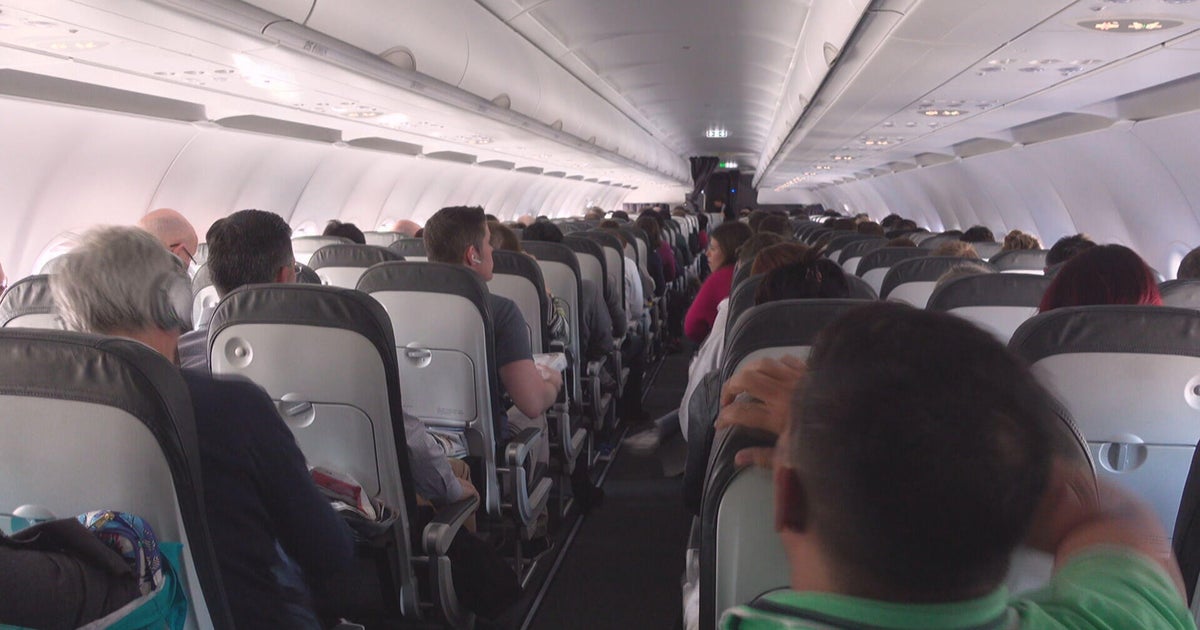
Concerns Rise Over Cabin Air Quality on Airplanes: What Travelers Need to Know
Recent reports and ongoing discussions are bringing renewed attention to the quality of air inside airplane cabins. while air travel remains statistically the safest form of transportation, understanding potential concerns and the measures being taken to address them is crucial for informed travelers like you. This article breaks down the issues,the responses from airlines and regulators,and what you can expect when you fly.
The Issue: “Bleed Air” and Potential Contaminants
most commercial jets utilize a system called “bleed air.” This system draws air directly from the engines, compresses it, and then filters it before circulating it throughout the cabin. ItS an efficient method, but it’s not without potential drawbacks.
If an engine seal fails, oil, hydraulic fluids, and other perhaps toxic particles can enter the bleed air system. These contaminants can then be circulated into the cabin, sometimes described by flight crews as smelling like “dirty socks.” While these events are considered rare, they’ve prompted scrutiny and concern from passengers and flight attendants alike.
What are the Potential Health Effects?
The health effects of exposure to these fumes are a subject of ongoing debate.Some individuals report a range of symptoms, including headaches, dizziness, nausea, and neurological issues. However, major aerospace medical associations have, to date, found no definitive link between cabin air and significant long-term health problems.
Boeing emphasizes that extensive research consistently shows contaminant levels on aircraft are generally low and meet established safety standards. Nevertheless, concerns persist, and the potential for sensitivity varies from person to person.
How Airlines and Regulators are Responding
Both airlines and the Federal Aviation Administration (FAA) are taking steps to address these concerns:
* delta Air Lines: is actively replacing auxiliary power units (APUs) on its A320 fleet, with approximately 80% of the work completed as of this week. They emphasize their robust safety management system for identifying and addressing potential issues.
* Airbus: Is committed to continuous improvement, collaborating with operators and regulators to optimize the cabin environment.
* FAA Standards: The FAA maintains “strict cabin air standards,” asserting that cabin air is often as good as, or better than, that found in offices and homes.They require airlines to report any incidents involving potential fume contamination.
* Incident Inquiry: When incidents are reported, the FAA investigates the cause and ensures the aircraft is repaired before returning to service.
What’s Being Done to Improve Filtration?
the Association of Flight Attendants-CWA (AFA) advocates for enhanced filtration systems on all aircraft. Sara Nelson, AFA President, believes that complete filtration is essential to prevent toxins from entering the cabin air supply.
While not universally implemented, some airlines are exploring and adopting improved filtration technologies.
Key FAA Regulations (For those interested in further detail):
You can review the FAA’s cabin air standards directly here: