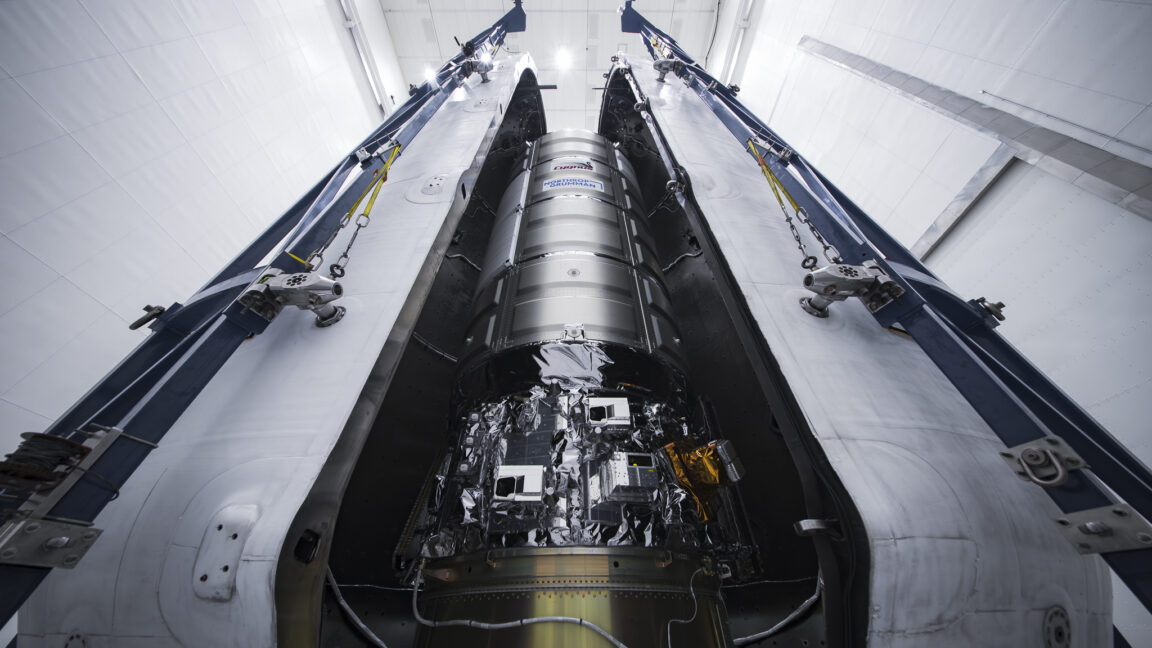
Expanded Cargo Capacity Reaches the International Space Station with Northrop Grumman’s Cygnus XL
A critical resupply mission is underway,delivering essential resources to the crew aboard the International Space Station (ISS). NASA astronaut Jonny Kim will expertly maneuver the station’s Canadian-built robotic arm to capture the newly launched Cygnus XL cargo spacecraft. Following capture, the spacecraft will be securely docked, allowing the crew to begin unloading vital supplies.
This latest delivery marks a significant upgrade in cargo capabilities. The Cygnus XL, built by Northrop Grumman, represents a substantial increase in the amount of material that can be transported to the orbiting laboratory.
what Makes Cygnus XL Different?
The spacecraft shares similarities with previous Cygnus missions, featuring a service module constructed at northrop Grumman’s facility in Northern Virginia.This module provides the necessary power, propulsion, and life support for the Cygnus during its orbital journey.
Though, the moast noticeable change is the expanded pressurized cargo module. It’s often described as resembling a large keg, and this is were the XL designation comes into play. The cargo module on the Cygnus XL is 5.2 feet (1.6 meters) longer than previous versions.
To put the size into viewpoint,the entire Cygnus XL spacecraft is comparable to two Apollo command modules. Alternatively, the cargo section alone boasts a volume equivalent to two-and-a-half minivans.
This increased capacity translates to tangible benefits for the ISS and its crew. as one industry expert explained, the Cygnus XL offers 33% more cargo space. This allows for the delivery of substantially more scientific experiments and essential supplies per launch, ultimately reducing the cost per kilogram of material sent to space.
A Smooth Launch After Earlier Challenges
Cargo modules for the Cygnus spacecraft are expertly crafted by Thales Alenia Space in Turin, Italy. Thier design mirrors those used in several of the ISS’s permanent modules, demonstrating a proven track record of reliability.
This particular mission was greenlit after a previous cargo module sustained damage during transport from Italy earlier this year. The team successfully addressed the issue, ensuring the current launch proceeded without a hitch.
A spacex Falcon 9 rocket successfully launched the Cygnus XL from Cape Canaveral Space Force Station in Florida, initiating its journey to the ISS. This launch underscores the continued collaboration between private companies and NASA in supporting space exploration and research.
What’s Inside the Cargo?
You can expect a diverse range of supplies aboard the Cygnus XL, including:
* Scientific Research Equipment: Enabling groundbreaking experiments in microgravity.
* Crew Supplies: Providing essential food, water, and personal items for the astronauts.
* Spare Parts: Ensuring the continued operation and maintenance of the ISS.
* Hardware for Upgrades: Supporting ongoing improvements to the station’s capabilities.
This mission is a testament to the ongoing commitment to supporting the vital work conducted on the International Space station. It highlights the importance of reliable and expanding cargo delivery services for the future of space exploration and scientific discovery.
Keep reading