Bridging the Cardiac Care Gap: How AI-Powered Diagnostics are Transforming healthcare in Ghana – and Beyond
Imagine a world where access to life-saving cardiac diagnosis isn’t limited by geography or specialist availability. For millions in underserved communities, this remains a distant hope. But a groundbreaking initiative in Ghana,powered by artificial intelligence,is rapidly turning that hope into reality. Is this the future of cardiac care, and what can we learn from this innovative approach?
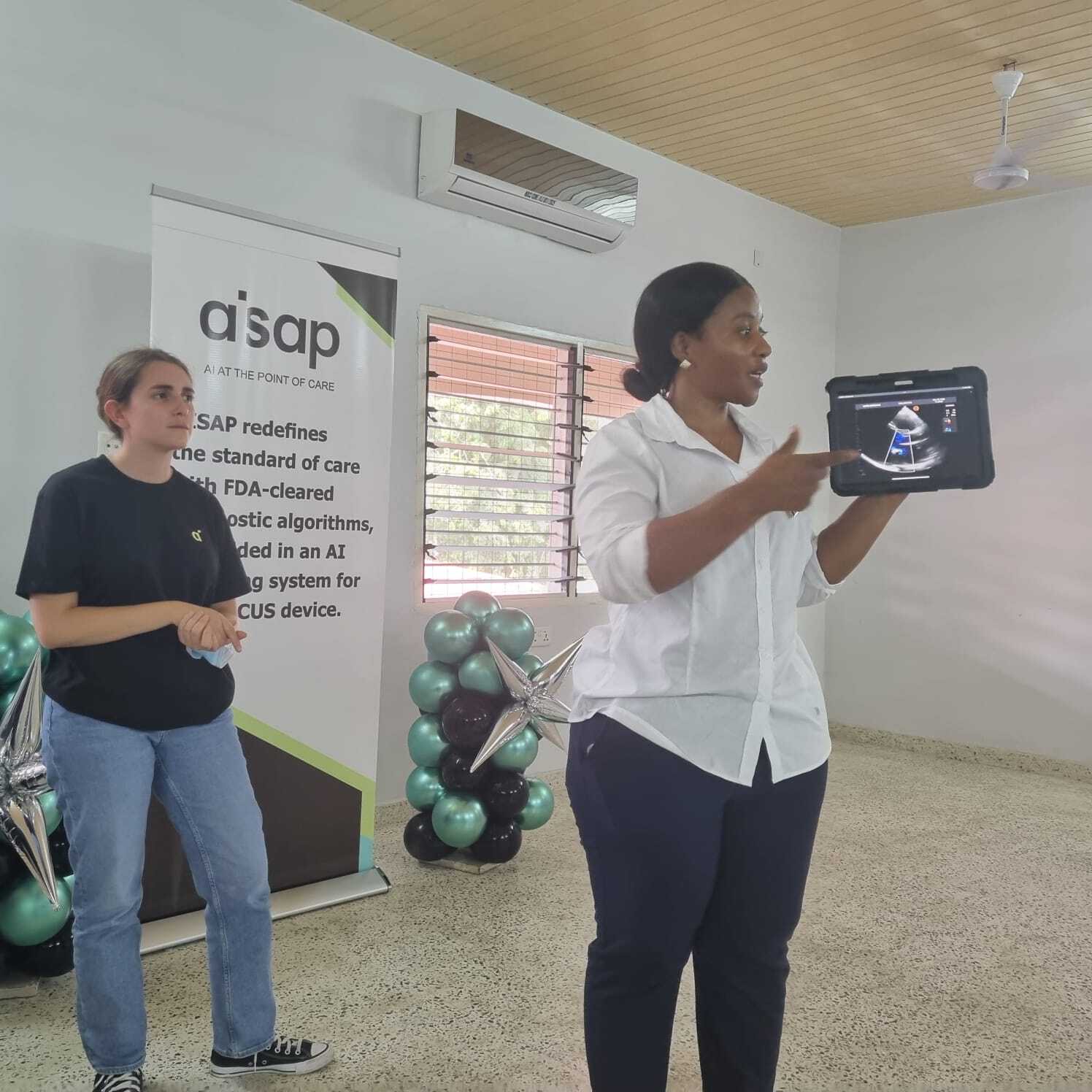
AISAP, a leading AI Point-of-Care Diagnostics company, has launched a landmark field program in Ghana, deploying its FDA-cleared AI-powered cardiac diagnosis platform. This isn’t just about technology; it’s about fundamentally changing healthcare access for a nation of approximately 35 million people currently served by fewer than 30 cardiologists.
This initiative, in collaboration with the G-ACT foundation, isn’t simply a pilot project. It’s designed to become a global model for delivering expert-level cardiac diagnostics to communities desperately in need. But how does it work, and what makes this deployment so significant?
The POCAD™ Platform: AI-Powered Cardiac Expertise at the Point of Care
At the heart of this change is AISAP’s proprietary Point-of-Care Assisted Diagnosis (POCAD™) platform. Developed in collaboration with the renowned Sheba Medical Center, POCAD™ leverages the power of deep learning AI to provide real-time, expert-grade cardiac interpretation – even to healthcare professionals who aren’t cardiologists.
Here’s what sets the POCAD™ platform apart:
* Real-Time Interpretation: Algorithms trained on a massive dataset of over 300,000 echocardiogram studies deliver rapid,accurate analysis.
* Quality Assurance Guidance: The platform doesn’t just provide a diagnosis; it guides non-specialists, ensuring accurate image acquisition and interpretation.
* Urgency Score: Critical cases are automatically prioritized, enabling immediate triage and possibly life-saving intervention.
Crucially, POCAD™ is designed for scalability and accessibility.It’s vendor-agnostic, meaning it connects to any portable ultrasound device, and requires only an internet connection to securely transmit images to the cloud. This is the same FDA-cleared technology currently trusted by leading U.S. health systems like Mass general Brigham, Mayo Clinic, and Stanford. Does this level of proven technology signal a new era in global healthcare equity?
Empowering Local Clinicians: the BEAT Program & Sonographer Training
Technology alone isn’t enough. Sustainable impact requires empowering local healthcare professionals. AISAP’s initiative is seamlessly integrated into the G-ACT Foundation’s BEAT Program (Building Echo-capacity for Access & Triage).
BEAT is Ghana’s first structured, internationally benchmarked cardiac sonographer training program. It directly addresses the critical echocardiography skills gap within the country, building a foundation for long-term, self-sufficient cardiac care.
Adiel Am-Shalom, CEO of AISAP, emphasizes the broader implications: “This deployment is the ultimate proof of concept that AISAP can help solve the diagnostic gap for U.S. rural hospitals facing critical cardiologist shortages.” The need is strikingly similar closer to home, with over 86% of rural U.S. counties lacking a practicing cardiologist. Could this Ghana initiative offer a blueprint for addressing healthcare disparities within our own borders?
Evergreen Insights: The Future of AI in Global Healthcare
The Ghana deployment represents more than just a technological advancement. It highlights a fundamental shift in how we approach global healthcare challenges. AI-powered diagnostics are poised to:
* Democratize Access: Bring expert-level care to underserved populations, regardless of location or economic status.
* Reduce Healthcare Disparities: Level the playing field, ensuring equitable access to life-saving diagnostics.
* Alleviate Specialist Shortages: Empower non-specialist clinicians to confidently and accurately diagnose cardiac conditions.
* Enable Proactive Care: Facilitate early detection and intervention, improving patient outcomes and reducing healthcare costs.
The success of this initiative hinges on continued investment in training,infrastructure,and data security. But the potential rewards – a healthier, more equitable world - are immeasurable. What role do you see AI playing in the future of healthcare?
Frequently Asked Questions (FAQ)
Q: What is POCAD™ and how does it improve cardiac diagnosis?
A: POCAD™ is
Keep reading