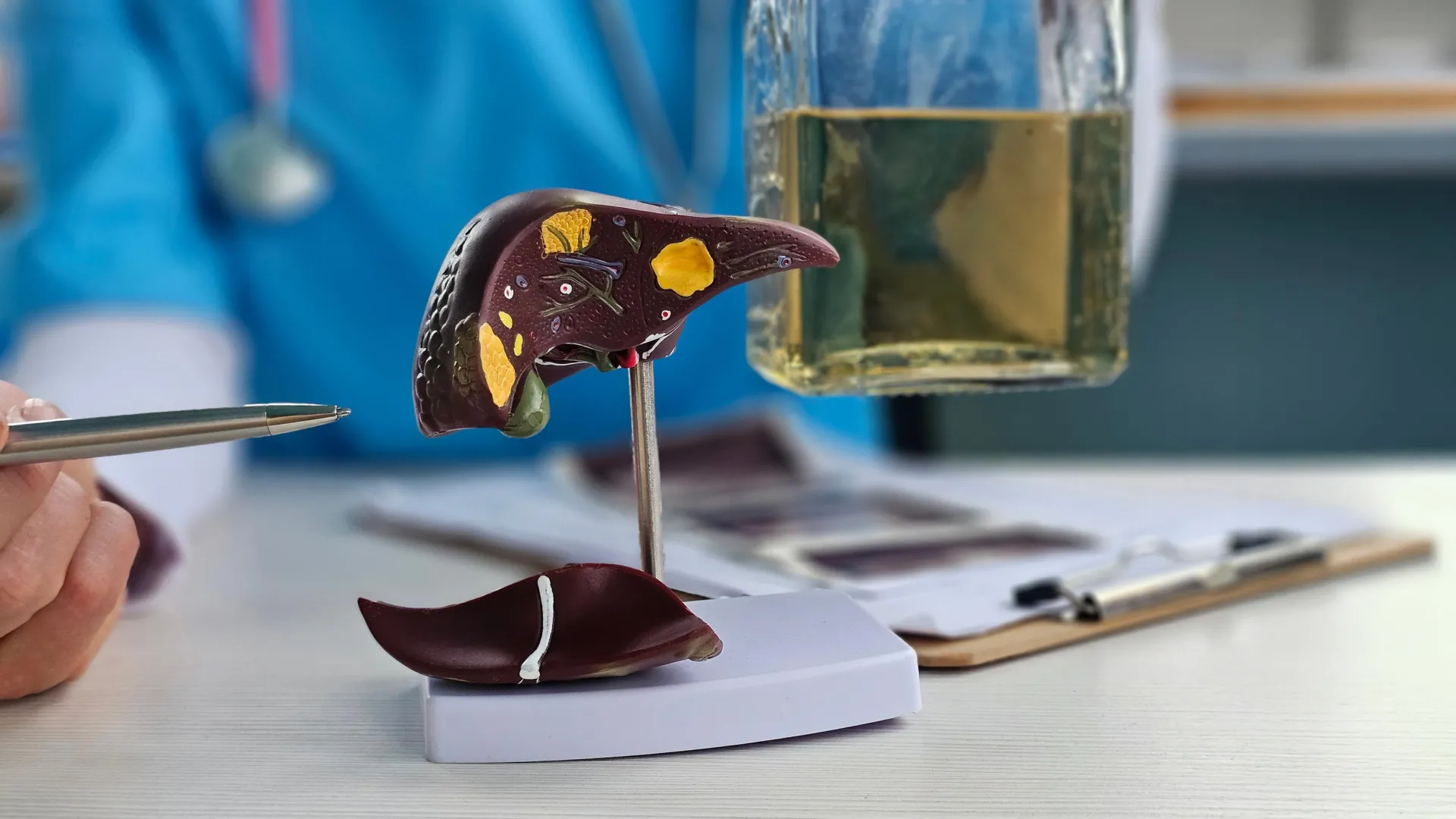
The Surprising Link Between Sugar Metabolism, Alcohol Addiction, adn Liver Disease: A new Therapeutic Target
Do you struggle with alcohol cravings, or worry about the long-term effects of alcohol on your liver? Emerging research reveals a startling connection between how your body processes sugar and both alcohol use disorder (AUD) and alcohol-associated liver disease (ALD). This isn’t just about cutting back on sweets; it’s about understanding a fundamental metabolic pathway hijacked by alcohol, offering a potential breakthrough in treatment for millions.
Recent findings published in Nature Metabolism by researchers at the University of Colorado Anschutz Medical Campus illuminate a previously unknown mechanism: alcohol consumption triggers the body to produce fructose internally. This internally generated fructose, fueled by the enzyme ketohexokinase (KHK), appears to amplify alcohol-seeking behavior and significantly contribute to liver damage. This discovery isn’t simply adding another risk factor to the list; it’s identifying a core process that could be therapeutically targeted.
How Alcohol Turns Your Body into a Fructose Factory
For years, the dangers of excessive fructose intake – from sugary drinks and processed foods – have been linked to metabolic disorders like fatty liver disease. Now, it appears alcohol leverages the same pathway. When you consume alcohol,it activates KHK,leading to increased internal fructose production. This isn’t a benign process.
Fructose metabolism differs significantly from glucose. while glucose is processed efficiently by many tissues, fructose is primarily metabolized in the liver. This concentrated metabolic load can overwhelm the liver, leading to:
* Increased Fat Accumulation: Fructose promotes de novo lipogenesis – the creation of fat from carbohydrates - contributing to non-alcoholic fatty liver disease (NAFLD) and, in the context of alcohol, accelerating ALD.
* Inflammation: Fructose metabolism generates byproducts that trigger inflammatory responses in the liver.
* Fibrosis & Scarring: Chronic inflammation leads to liver fibrosis, ultimately progressing to cirrhosis and liver failure.
This internal fructose production, driven by alcohol, essentially mimics the damaging effects of a high-fructose diet, but with the added complexity of reinforcing addictive behaviors.
Blocking KHK: A Potential Game-Changer in Treatment
The CU Anschutz study didn’t just identify the problem; it demonstrated a potential solution. Researchers conducted experiments on mice, revealing remarkable results:
* Reduced Alcohol Consumption: Mice genetically engineered to lack KHK exhibited significantly less interest in alcohol. They voluntarily consumed less, showed diminished reward-seeking behavior related to alcohol, and displayed altered activity in brain regions associated with addiction.
* Protection Against Liver Injury: Disrupting KHK – both thru genetic manipulation and medication – completely prevented the growth of alcohol-induced liver damage. These mice showed reduced fat buildup, inflammation, and scarring in their livers.
These findings strongly suggest that inhibiting KHK and, consequently, fructose metabolism, could be a powerful strategy for both reducing alcohol consumption and protecting the liver. According to the National Institute on Alcohol Abuse and Alcoholism (NIAAA), over 47.8% of U.S. adults reported drinking alcohol in the past 30 days (2022 data), highlighting the broad potential impact of such a treatment. https://www.niaaa.nih.gov/publications/brochures-and-fact-sheets/alcohol-facts-and-statistics
Beyond Alcohol: Implications for Metabolic Dysfunction-associated Steatotic Liver Disease (MASLD)
The implications of this research extend beyond alcohol addiction. The researchers point out a crucial overlap between ALD and MASLD (formerly known as non-alcoholic fatty liver disease or NAFLD). Both conditions rely heavily on the same fructose-driven metabolic processes.
“Because alcohol-associated liver disease and metabolic dysfunction-associated steatotic liver disease (MASLD) rely on similar fructose-driven processes, the researchers suggest that treatments aimed at blocking fructose metabolism could help people with liver disease related to either alcohol or diet,” explains Dr. Miguel A. Lanaspa, the study’s senior author. This suggests a unified approach to treating liver disease, nonetheless of the initial cause. Recent estimates indicate that MASLD affects approximately 30-40% of the U.S. adult population,making it one of the most common chronic liver conditions. https://www.niddk.nih.gov/health-information/liver-disease/nafld-nash
What Does This Mean for You? Practical Steps & Considerations
While KHK inhibitors are still in the research and development phase, understanding this connection empowers you to take proactive steps:
- **Moderate Alcohol
Related reading