
The Alençon Hospital Center in Normandy has implemented a multidisciplinary support program for bariatric surgery patients, aimed at reducing the psychological and social isolation often associated with obesity treatment. According to official hospital communications, the new protocol provides a structured, coordinated pathway that integrates medical expertise with psychological follow-up to assist patients before and after their procedures, ensuring they remain connected to a dedicated care team throughout their recovery journey.
Addressing the Patient Experience in Bariatric Care
For individuals seeking surgical intervention for severe obesity, the medical process often involves a complex series of consultations, nutritional adjustments, and long-term lifestyle changes. Historically, the burden of managing these requirements has fallen heavily on the patient, potentially leading to feelings of detachment from the medical system. The initiative at the Alençon Hospital Center seeks to mitigate this by centralizing the patient’s care pathway under a multidisciplinary team, as outlined in recent clinical coordination updates from the Centre Hospitalier Intercommunal Alençon-Mamers.
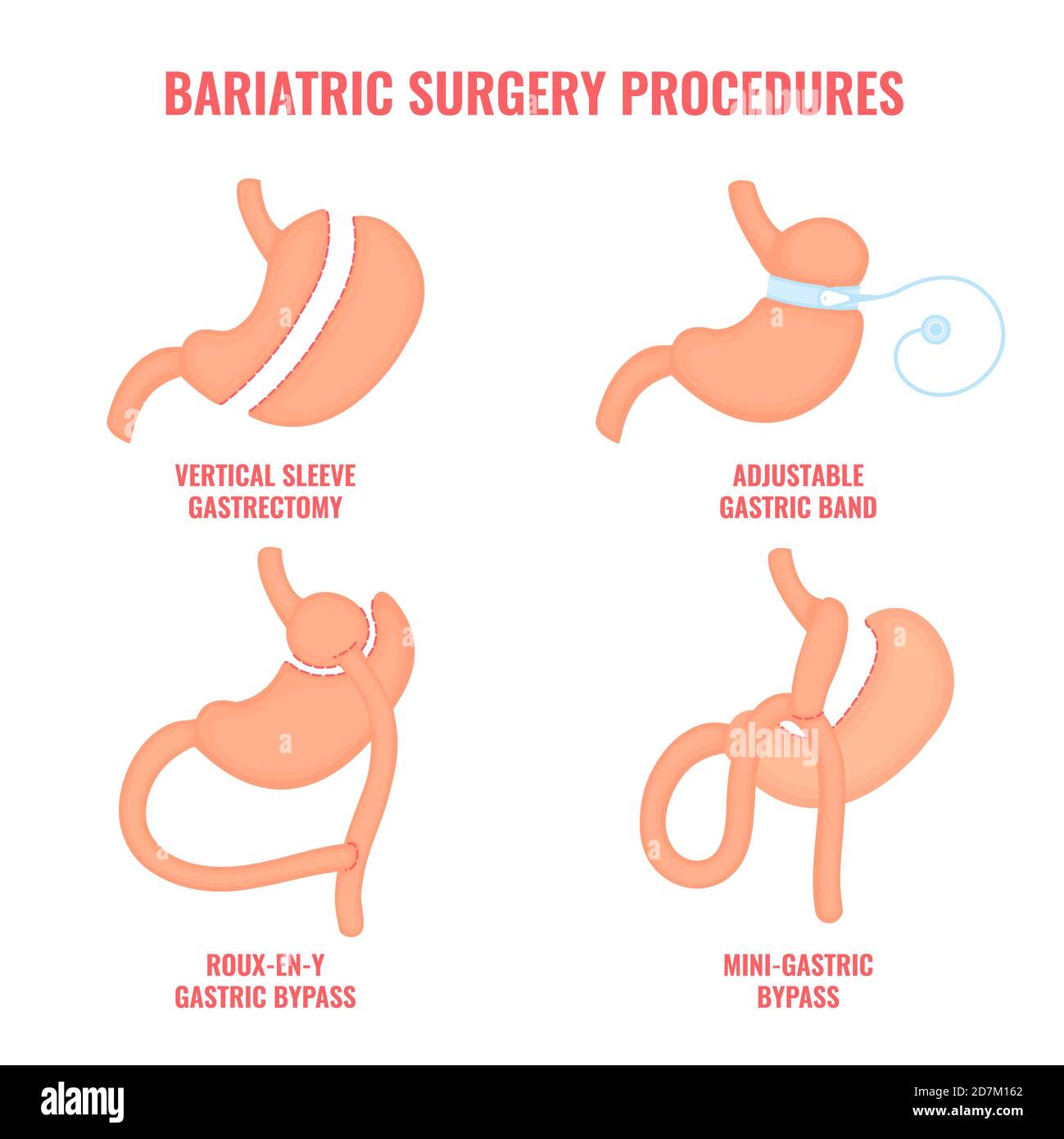
This approach is consistent with broader French public health guidelines regarding the management of obesity, which emphasize that surgery is not a standalone solution but a component of a comprehensive, multi-year medical follow-up. By providing a clear roadmap—ranging from initial screening to post-operative psychological counseling—the hospital aims to improve long-term adherence to health protocols. This systematic integration is designed to help patients navigate the physical and emotional shifts that follow procedures such as gastric bypass or sleeve gastrectomy.
The Role of Multidisciplinary Support
The core of the Alençon model relies on the collaboration between surgeons, nutritionists, endocrinologists, and mental health professionals. Research published by the Haute Autorité de Santé (HAS)—the French national health authority—consistently highlights that bariatric surgery outcomes are significantly improved when patients receive integrated, long-term psychological support. The hospital’s program formalizes this necessity by scheduling regular check-ins that address both metabolic health and the psychological adjustments required after significant weight loss.

By shifting from a fragmented appointment-based model to a unified care pathway, the hospital staff can identify potential complications or signs of psychological distress more effectively. For the patient, this means having a consistent point of contact, which reduces the anxiety of navigating a complex healthcare system independently. This model is part of a larger effort within French regional hospitals to standardize the quality of care for chronic conditions, ensuring that treatment is consistent regardless of the patient’s geographic location.
Clinical Standards and Long-Term Outcomes
Bariatric surgery, or metabolic and bariatric surgery, is indicated for patients with a Body Mass Index (BMI) typically above 40, or above 35 with comorbidities such as type 2 diabetes or hypertension. According to the Assurance Maladie, the French public health insurance provider, post-operative follow-up must be lifelong to prevent nutritional deficiencies and ensure the long-term efficacy of the procedure. The Alençon Hospital Center’s focus on facilitating this journey directly supports these national requirements for sustained patient monitoring.
The transition to this integrated pathway reflects a shift in medical philosophy: viewing the patient as an active partner in their care rather than a passive recipient of surgery. By emphasizing “not being alone” during the process, the institution addresses the social stigma and isolation that frequently accompany obesity. This psychological component is increasingly recognized as a critical factor in preventing weight regain and promoting sustained mental well-being after surgery.
What Patients Can Expect Moving Forward
Patients beginning their surgical journey at the Alençon facility are now introduced to a team that coordinates their entire timeline, from pre-operative assessments to post-operative rehabilitation. This coordination includes:

- Initial multidisciplinary assessment to determine surgical eligibility and health risks.
- Nutritional counseling to prepare for dietary changes required after the procedure.
- Psychological support to address the emotional aspects of rapid body composition changes.
- Scheduled long-term monitoring to track metabolic markers and prevent complications.
As the healthcare landscape continues to prioritize integrated care, the Alençon Hospital Center remains focused on adapting its services to meet these evolving standards. Patients interested in the program are encouraged to contact their primary care physician for a referral or visit the official hospital portal for information on scheduled information sessions and patient orientation clinics. These sessions provide an opportunity for prospective patients to meet the care team and understand the expectations of the surgical pathway before committing to the procedure.
The hospital continues to update its patient resources and clinical protocols in accordance with regional health authority guidelines. Further information regarding the evolution of these services and upcoming public health initiatives will be made available through official institutional announcements. We invite our readers to share their thoughts or experiences with integrated healthcare pathways in the comments section below.