A report released June 18, 2026, by Human Rights Watch documents extensive human rights concerns regarding “Operation Metro Surge,” a federal immigration enforcement campaign conducted in Minnesota between December 2025 and March 2026. The 180-page investigation alleges that federal agents engaged in excessive force, racial profiling, and unlawful detentions, resulting in significant trauma and the disruption of daily life for Twin Cities residents. According to the report, federal agents fatally shot two U.S. citizens during the operation, leading to widespread calls for federal oversight and accountability.
The operation, which involved the deployment of Department of Homeland Security (DHS) personnel to Minneapolis and Saint Paul, represents one of the most concentrated interior enforcement efforts since the start of the Trump administration. Research conducted by Human Rights Watch included interviews with more than 130 individuals, including educators, healthcare providers, and legal experts, alongside an analysis of government data and sworn legal declarations. The findings suggest that the tactics used—ranging from the use of flash-bang grenades to arbitrary detentions—extended beyond standard immigration enforcement into a broader crisis that affected access to essential public services.
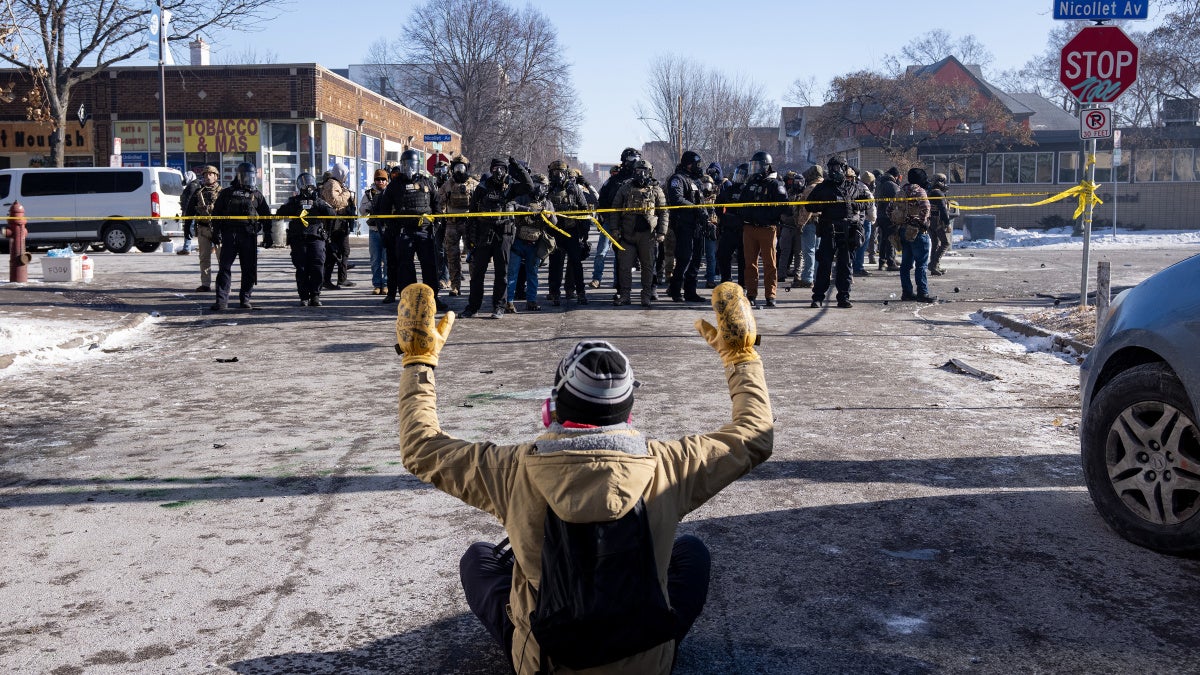
A protester sits on the street with his arms up in front of federal agents and Minneapolis Police on W. 27th St and Nicollet Avenue in south Minneapolis after Alex Pretti was fatally shot by federal agents in the area early Saturday morning, January 24, 2026.
© 2026 Richard Tsong-Taatarii/The Minnesota Star Tribune via Getty Images
Scope and Impact of Operation Metro Surge
During the period of December 1, 2025, to May 15, 2026, Immigration and Customs Enforcement (ICE) detained approximately 4,000 people in Minnesota. According to the Human Rights Watch report, over 75 percent of those detained had no prior criminal convictions in the United States. The legal response to these actions was significant; lawyers filed numerous habeas corpus petitions to challenge the detentions. Data cited in the report indicates that nearly 90 percent of the 532 cases resolved during that timeframe resulted in court-ordered releases or bond hearings.
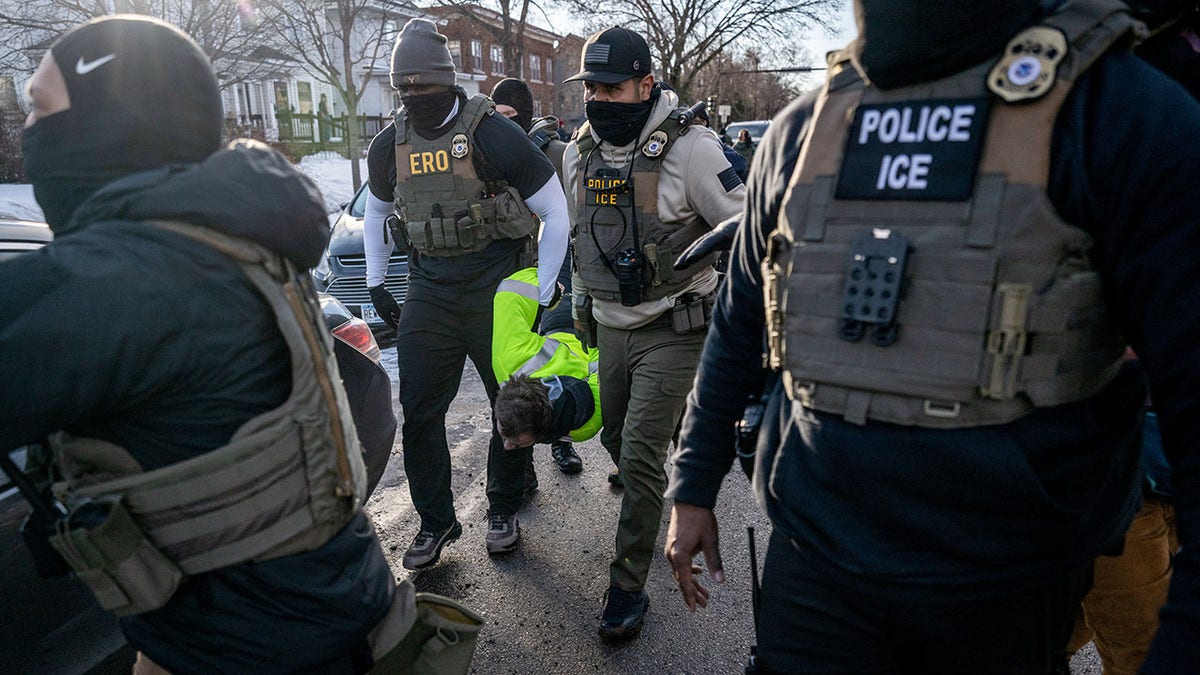
The operational tactics caused immediate and long-term disruptions to local infrastructure. At the height of the surge, some healthcare clinics in the area reported a 50 percent decline in patient volume as families avoided seeking medical care due to fear of federal agents. Similar trends were documented in local schools, where many students shifted to virtual learning or ceased attending classes entirely. The psychological impact was particularly noted among children, with reports of families remaining indoors for months to avoid potential encounters with enforcement officers.
Allegations of Racial Profiling and Excessive Force
The report highlights concerns regarding the criteria used by federal agents to identify individuals for questioning or detention. Evidence suggests a pattern of racial profiling, where perceived race or ethnicity was used as a proxy for immigration status. A survey conducted by the U.S. Immigration Policy Center at the University of California San Diego found that people of color in Minneapolis were approximately 40 percent more likely to report interactions with federal agents than their white counterparts. Many residents reported carrying identification documents at all times as a precaution against these encounters.
In addition to the two fatalities involving U.S. citizens Renee Good and Alex Pretti in January 2026, the report documents multiple instances where agents allegedly used “less lethal” weapons, such as chemical irritants, against individuals who were not resisting. According to data maintained by the National Lawyers Guild of Minnesota, over 500 U.S. citizens were arrested during the course of the operation, often while observing or protesting the activities of federal agencies. These actions have prompted intense scrutiny from civil rights organizations regarding the standard of force authorized for interior immigration enforcement.
Graphic © 2026 Human Rights Watch
Demands for Accountability and Structural Reform
The call for national-level action is centered on the need for increased transparency and oversight of DHS and its component agencies, including ICE and Customs and Border Protection (CBP). Reagan Williams, a crisis and conflict researcher at Human Rights Watch, stated that the operation demonstrated the consequences of enforcement actions conducted without sufficient accountability mechanisms. The report advocates for a total overhaul of internal oversight processes to prevent similar crises in the future.
On April 30, 2026, Human Rights Watch submitted a summary of its findings and a series of questions to DHS agencies. As of the report’s release on June 18, 2026, the organization has not received a response. The lack of formal communication from federal authorities regarding these specific incidents remains a point of contention for local advocates who continue to seek information regarding the chain of command and the specific directives that governed Operation Metro Surge.
Next Steps and Community Response
While the federal deployment has concluded, the legal and social ramifications remain active. Local advocacy groups in Minnesota are currently coordinating with legal teams to address the pending habeas corpus petitions and to provide ongoing support for families affected by the detentions. Residents seeking information on their rights or legal resources are directed to contact local civil rights organizations or the Minnesota chapter of the National Lawyers Guild for guidance on current filings and community support programs.

The U.S. Department of Homeland Security has not yet scheduled a public hearing to address the findings of the report or the specific allegations regarding the conduct of its agents during the winter and spring of 2026. Updates regarding potential congressional inquiries or departmental reviews will be reported as they become available. Readers are encouraged to share their experiences or local updates in the comments section below to contribute to the ongoing public record of these events.
Keep reading