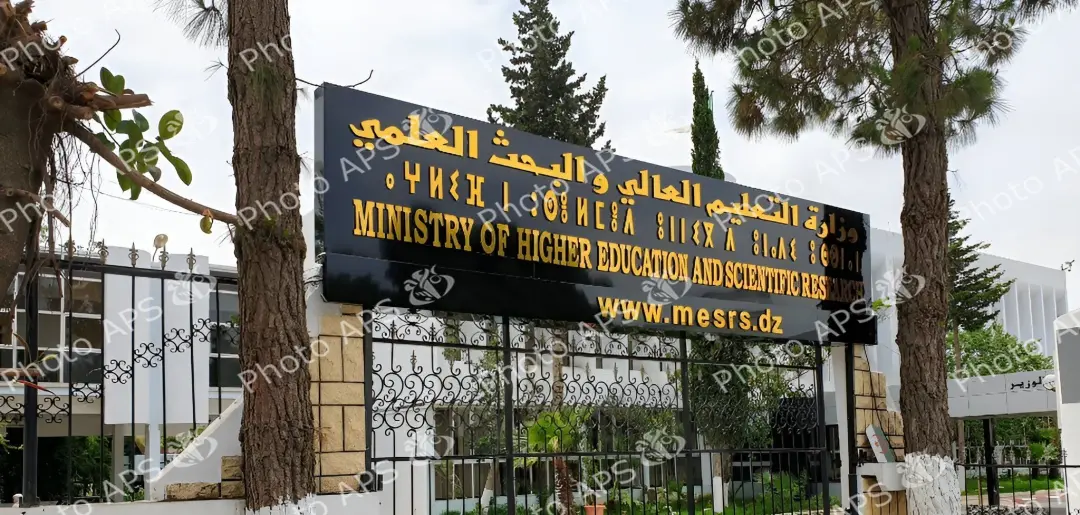
Algeria has secured a leading position in the 2024 Times Higher Education (THE) Impact Rankings, with several of its public institutions ranking first in Africa and the Arab world for their contributions to the United Nations Sustainable Development Goals (SDGs). The rankings, which evaluate universities based on their social and economic impact rather than traditional research metrics, highlight a growing focus on sustainability and community engagement within the Algerian higher education sector.
The 2024 Impact Rankings, published by Times Higher Education, assessed 2,152 institutions globally. Algerian universities have increasingly utilized these metrics to align their academic missions with national development strategies. According to official data from the Algerian Ministry of Higher Education and Scientific Research, the recent performance reflects a strategic shift in institutional management, prioritizing sustainable development, climate action, and social inclusivity as core performance indicators.
Understanding the Impact Rankings Methodology
Unlike traditional university rankings that prioritize reputation and citation counts, the THE Impact Rankings measure how universities contribute to the 17 Sustainable Development Goals (SDGs) established by the United Nations. These goals include areas such as gender equality, affordable and clean energy, and sustainable cities and communities.
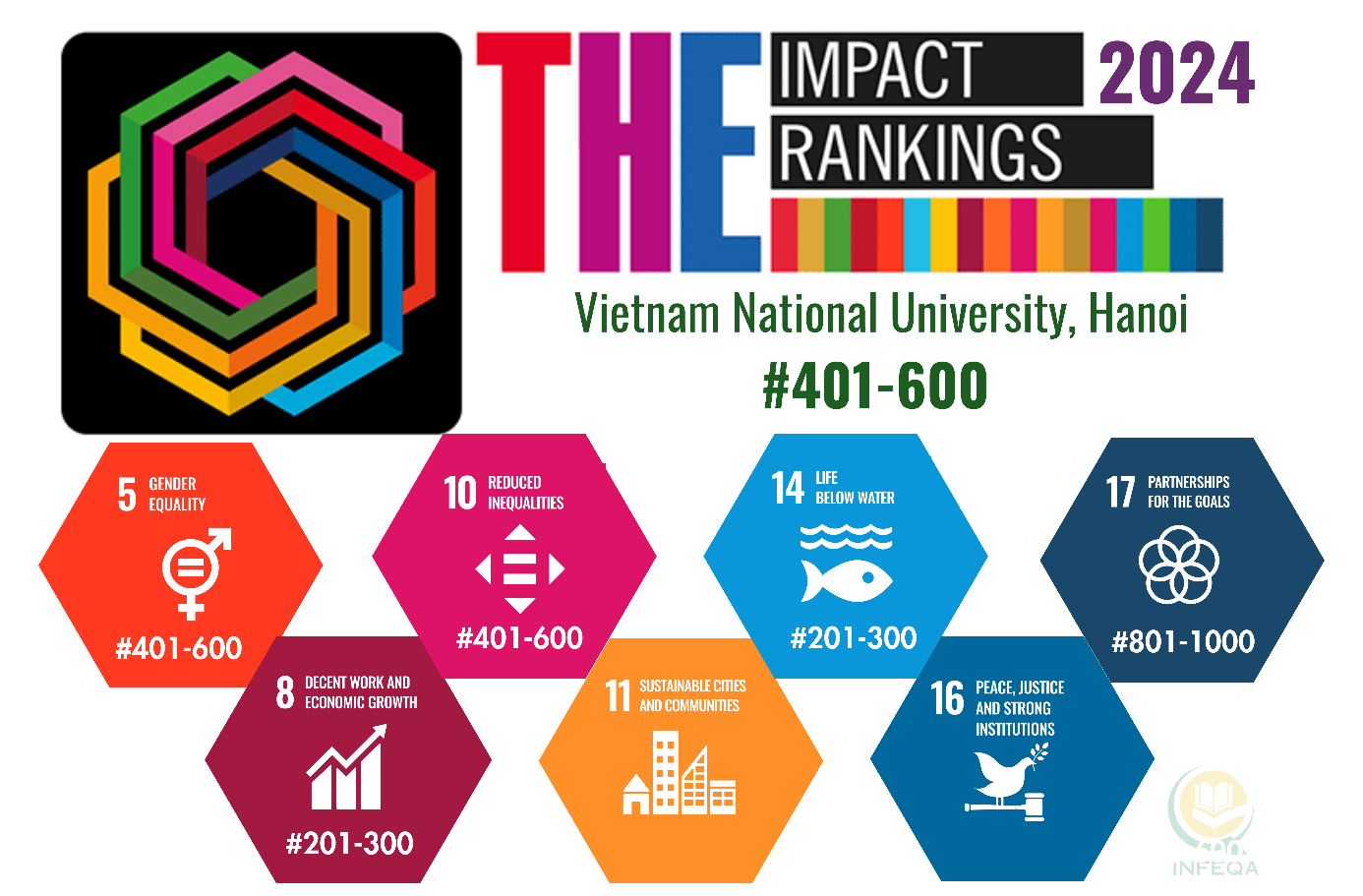
For an institution to achieve a high ranking, it must provide evidence across at least four SDGs, one of which must be SDG 17 (Partnerships for the Goals). Algerian universities, including the University of Mohamed Boudiaf in M’sila and the University of Djelfa, have focused on documenting their community-based research and operational sustainability, which allows them to compete on a global scale. By focusing on these specific metrics, Algerian institutions are demonstrating that regional universities can provide significant socio-economic value beyond conventional academic prestige.
Strategic Growth in Algerian Higher Education
The rise of Algerian institutions in these rankings is not coincidental. Over the past three years, the Ministry of Higher Education has implemented a series of reforms aimed at digital transformation and the internationalization of domestic institutions. These efforts include the “Quality Assurance” program, which mandates that universities track their environmental impact and societal contributions.
According to reports from the Algerian government portal, the ministry has encouraged universities to integrate “green” practices into their campus infrastructure. This includes investments in renewable energy initiatives on campus and the development of curricula that address local environmental challenges. These initiatives directly support the criteria used by THE to evaluate institutional impact, providing a clear path for universities to improve their scores in successive years.
Comparison of Regional Performance
When analyzing the 2024 data, it is important to note the competitive landscape within North Africa. While Algerian universities have achieved top-tier status in specific SDG categories, they face ongoing competition from institutions in Egypt, Morocco, and Saudi Arabia. The following table summarizes the key areas where regional universities are currently focusing their efforts based on the 2024 official dataset:
| Focus Area | Metric Type | Impact Goal |
|---|---|---|
| Sustainable Infrastructure | Operational Data | Energy Efficiency |
| Community Outreach | Public Engagement | Social Inclusion |
| Research Collaborations | Partnership Volume | SDG 17 Progress |
The data indicates that while Algerian institutions are excelling in community engagement and local partnerships, the next phase of development will likely involve increasing international research collaborations. This is a critical factor for improving rankings in SDG 17, which carries significant weight in the overall Impact calculation.
What Happens Next for Algerian Universities
The next major milestone for the higher education sector is the release of the 2025 Impact Rankings, which are expected to reflect further refinements in data collection across Algerian campuses. The Ministry of Higher Education and Scientific Research is currently coordinating with institutional heads to ensure that sustainability reports are standardized and submitted in accordance with the strict THE submission guidelines.

For students, faculty, and prospective partners, this trajectory signals a period of modernization. As Algerian universities continue to prioritize transparency and sustainable growth, they are likely to attract further interest from international academic bodies. Stakeholders are encouraged to monitor the official Ministry website for upcoming announcements regarding new research funding and international partnership opportunities. We invite readers to share their thoughts on the role of sustainability in higher education in the comments section below.