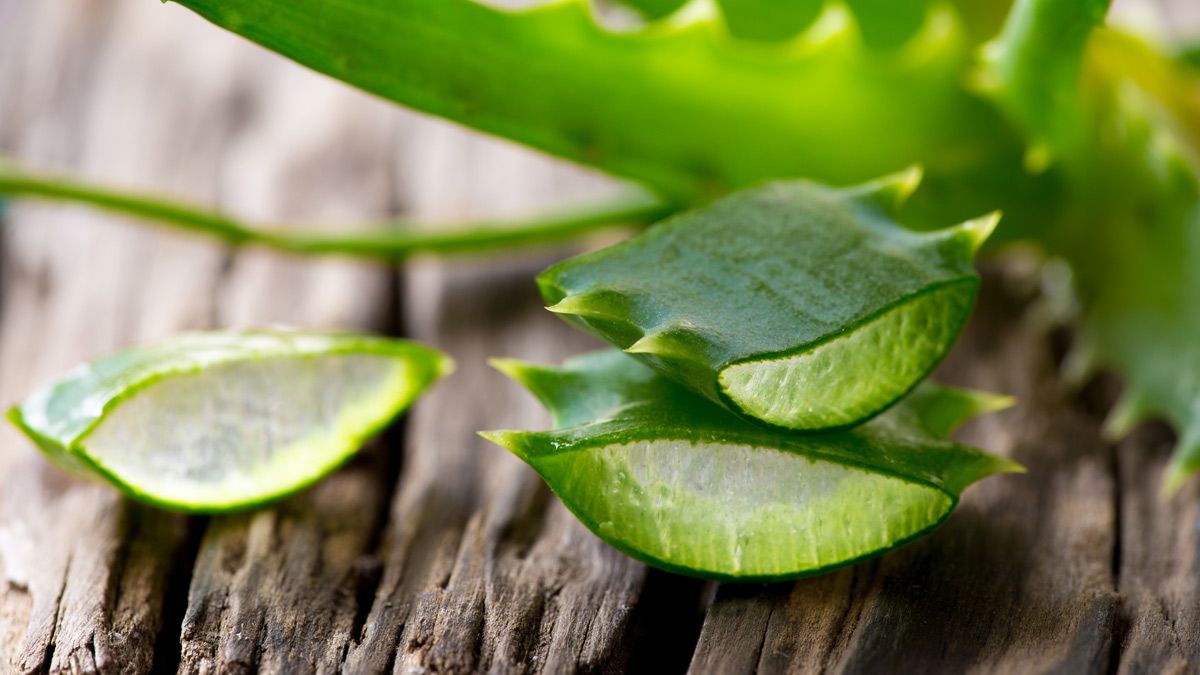
Aloe Vera Compound Shows Promise in Computer Models for Alzheimer’s Disease Treatment
Berlin, Germany – In a potentially significant development in the fight against Alzheimer’s disease, researchers have identified a compound found in aloe vera, beta-sitosterol, that demonstrates promising interactions with key enzymes linked to cognitive decline. Although still in the early stages of investigation, these findings, stemming from computer-based modeling, offer a new avenue for exploring potential therapeutic interventions for this devastating neurodegenerative condition. The research highlights the often-overlooked potential of natural compounds in addressing complex medical challenges, and underscores the growing role of computational methods in accelerating drug discovery.
Alzheimer’s disease, a progressive brain disorder affecting millions worldwide, is characterized by memory loss, cognitive impairment, and behavioral changes. Currently, available treatments primarily focus on managing symptoms rather than halting or reversing the disease’s progression. The global impact of Alzheimer’s is substantial, with over 55 million people currently living with the condition, a number projected to reach 138 million by 2050, according to the World Health Organization. This escalating prevalence underscores the urgent need for innovative therapeutic strategies.
The recent study, published in Current Pharmaceutical Analysis, focused on the interaction between compounds found in aloe vera and two crucial enzymes involved in Alzheimer’s disease: acetylcholinesterase (AChE) and butyrylcholinesterase (BChE). These enzymes are responsible for breaking down acetylcholine, a neurotransmitter vital for nerve cell communication and crucial for learning and memory. In Alzheimer’s patients, acetylcholine levels are often reduced, contributing to cognitive dysfunction. Researchers at Hassan II University of Casablanca in Morocco utilized computational modeling to assess whether aloe vera compounds could interfere with the activity of AChE and BChE, potentially preserving acetylcholine levels and improving cognitive function. This approach, known as *in silico* research, allows scientists to rapidly screen numerous compounds and predict their behavior before costly and time-consuming laboratory experiments.
Beta-Sitosterol: A Standout Candidate
The research revealed that beta-sitosterol, a natural plant compound present in aloe vera leaves, exhibited a particularly strong affinity for both AChE and BChE. According to the study, beta-sitosterol demonstrated the highest binding affinity compared to ten other compounds evaluated. This strong binding suggests that the compound could effectively inhibit the enzymes, slowing down the breakdown of acetylcholine. The stability of this interaction is also a key factor, indicating the potential for a sustained therapeutic effect.
aloe vera estudio
Beyond binding affinity, the researchers also conducted an ADMET analysis – assessing absorption, distribution, metabolism, excretion, and toxicity – using mathematical models. The results indicated that both beta-sitosterol and succinic acid, another compound found in aloe vera, exhibited favorable safety profiles, suggesting they could be suitable for further therapeutic development. “Our findings suggest that beta sitosterol, one of the aloe vera compounds, exhibits significant binding affinities and stability, making it a promising candidate for further drug development,” stated Meriem Khedraoui, a chemist involved in the research at University of Casablanca, as reported by ScienceAlert.
The Role of Computer Modeling in Drug Discovery
The use of *in silico* modeling in this research is particularly noteworthy. Traditional drug discovery is a lengthy and expensive process, often involving years of laboratory work and clinical trials. Computer simulations allow researchers to rapidly screen vast libraries of compounds, identify promising candidates, and predict their behavior before investing in more resource-intensive experiments. This approach can significantly accelerate the drug development timeline and reduce costs. A similar approach led to the discovery that a hidden compound in aloe vera, beta-sitosterol, strongly interacts with key enzymes involved in memory loss and cognitive decline, as reported by ScienceDaily on February 8, 2026.
Looking Ahead: From Simulation to Clinical Trials
It is crucial to emphasize that these findings are preliminary and based on computer simulations. Further research, including laboratory studies and ultimately clinical trials, is necessary to confirm the efficacy and safety of beta-sitosterol as a potential Alzheimer’s treatment. However, the initial results are encouraging and warrant further investigation. The stability and binding characteristics of the compound, combined with its favorable safety profile, build it a compelling candidate for future drug development efforts. Fox News reported on February 12, 2026, that the compound attached to key enzymes more strongly than any other tested in computer simulations.
The exploration of natural compounds as potential therapeutic agents is gaining momentum. As researchers continue to unravel the complex mechanisms underlying Alzheimer’s disease, they are increasingly turning to nature for inspiration. The success of this approach hinges on rigorous scientific investigation and a commitment to translating promising findings from the laboratory to the clinic. The potential benefits for the millions affected by Alzheimer’s disease are immense.
The next steps in this research will likely involve *in vitro* studies, where the compound is tested in laboratory settings using cells and tissues, followed by *in vivo* studies, which involve testing the compound in animal models. If these studies yield positive results, clinical trials in humans could commence within the next few years. The scientific community will be closely watching the progress of this research, hoping that it will lead to a breakthrough in the fight against this devastating disease.
This research adds to a growing body of evidence suggesting that readily available plants may hold untapped potential for treating complex diseases. While more research is needed, the findings offer a glimmer of hope for individuals and families affected by Alzheimer’s disease and highlight the importance of continued investment in scientific innovation.
Do you have thoughts on this promising research? Share your comments below, and please share this article with your network to raise awareness about the ongoing efforts to combat Alzheimer’s disease.
Related reading