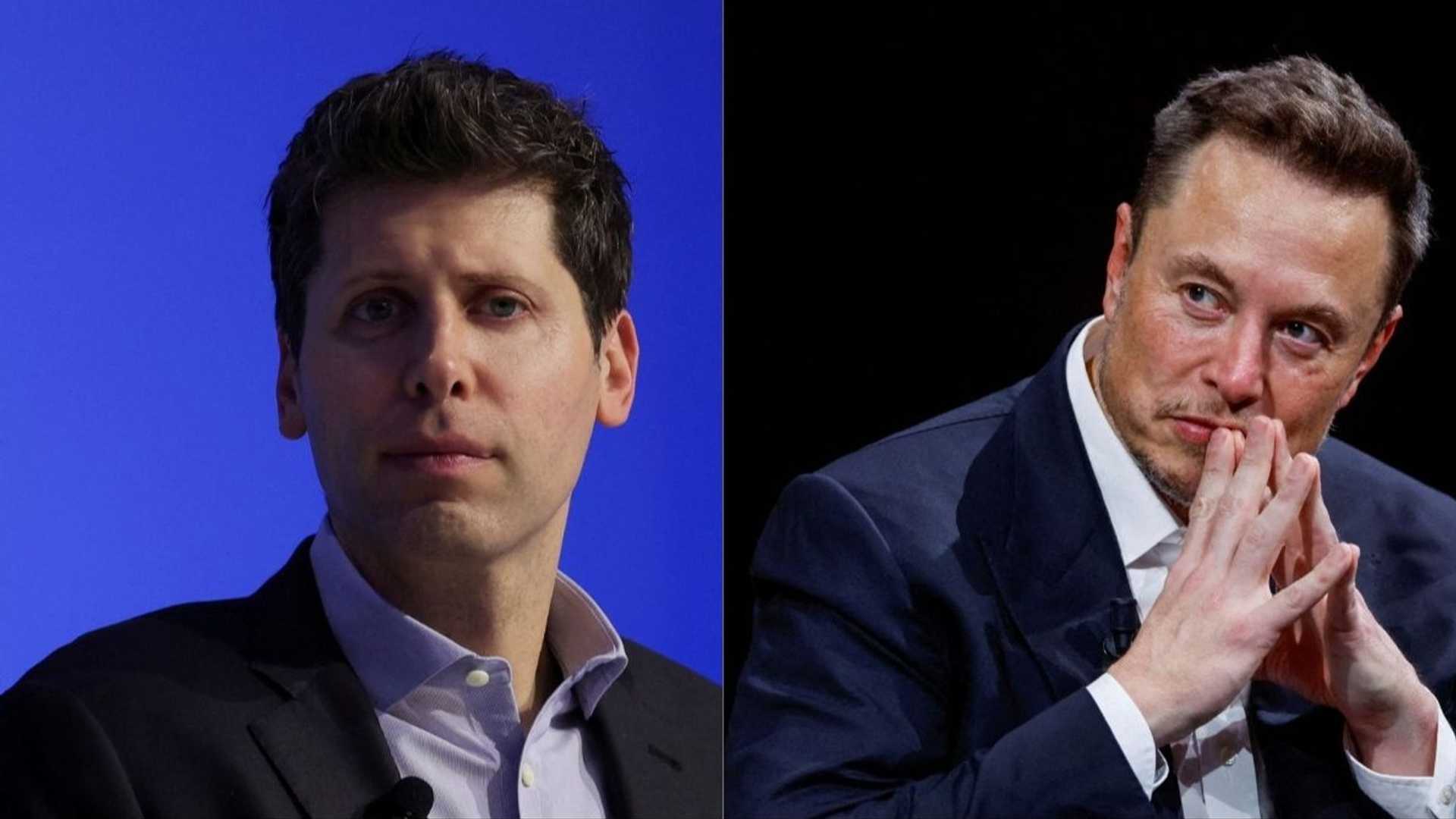
The legal battle between Elon Musk and Sam Altman has entered the courtroom, marking a significant escalation in their long-standing dispute over the direction and governance of OpenAI. Musk, who co-founded the artificial intelligence research lab with Altman in 2015, filed a lawsuit alleging that Altman and other OpenAI leaders deviated from the organization’s original nonprofit mission by pursuing profit-driven initiatives, particularly through its partnership with Microsoft.
The case centers on claims that Altman misled Musk about OpenAI’s commitment to remaining a nonprofit entity focused on developing artificial general intelligence (AGI) for the benefit of humanity. Musk contends that the shift toward a capped-profit model and the acceptance of billions in investment from Microsoft violated the foundational principles upon which OpenAI was established.
According to reports from The New York Times, Musk’s legal team argues that the restructuring of OpenAI into a for-profit entity—while maintaining a nonprofit board—constitutes a breach of fiduciary duty and misrepresentation. The lawsuit seeks to invalidate key agreements, including the licensing deal with Microsoft, and to compel OpenAI to return to its nonprofit roots.
Engadget noted that the lawsuit has drawn widespread attention not only for its high-profile protagonists but also for the broader implications it holds for the AI industry. Observers suggest the outcome could influence how AI startups balance innovation, funding, and ethical commitments, especially as public scrutiny grows over corporate control of transformative technologies.
TechCrunch highlighted Musk’s assertion that Altman personally benefited from financial arrangements tied to Tesla, claiming Altman received a refund from the electric vehicle company under circumstances Musk describes as questionable. However, no independent verification of this specific claim has been found in authoritative sources such as SEC filings, court documents, or statements from Tesla or Altman’s representatives.
The core of the dispute lies in OpenAI’s evolution from a nonprofit research initiative to a major player in the commercial AI landscape. In 2019, OpenAI announced a shift to a “capped-profit” structure under OpenAI LP, allowing it to attract external investment while promising to limit returns to investors and redistribute excess profits to the nonprofit entity. This move was intended to fund the immense computational costs of developing advanced AI models like GPT-3 and later GPT-4.
Microsoft’s involvement began in 2019 with a $1 billion investment, followed by additional phases of funding that brought its total commitment to over $13 billion. The partnership grants Microsoft exclusive licensing rights to OpenAI’s models for integration into products like Azure, Word, and Copilot, while OpenAI retains the ability to deploy its technology independently.
Critics of the structure argue that despite the capped-profit framework, OpenAI’s operational reality increasingly resembles that of a traditional tech company, with pressure to monetize its innovations rapidly. Supporters counter that without substantial funding, OpenAI could not compete with well-resourced tech giants in the race to develop advanced AI systems.
Musk withdrew his support from OpenAI in 2018, citing potential conflicts of interest due to Tesla’s own AI work on autonomous driving. He has since launched his own AI venture, xAI, which aims to develop AGI with what he describes as greater transparency and alignment with human intentions.
Altman has defended OpenAI’s trajectory, stating in interviews and public appearances that the organization remains committed to its mission, albeit through a structure capable of sustaining the scale of investment required for cutting-edge AI research. He has emphasized that major decisions are still overseen by the nonprofit board, which includes independent directors without financial stakes in the for-profit arm.
The court proceedings are expected to examine internal communications, founding documents, and financial records to determine whether Musk was adequately informed about OpenAI’s strategic shifts. Legal experts note that proving fraud or intentional deception will require demonstrating that Altman knowingly made false statements with the intent to induce reliance—a high bar in civil litigation.
As of now, no trial date has been formally set, though preliminary hearings have begun. Both parties have exchanged legal filings, and discovery processes are underway. The case remains active in the Northern District of California, where Musk resides and where OpenAI maintains significant operations.
The outcome of this lawsuit could have lasting effects on governance models in the AI sector. If Musk prevails, it may prompt stricter scrutiny of how nonprofit AI organizations transition to hybrid funding models. Conversely, a dismissal or settlement could reinforce the legitimacy of current structures used by AI firms seeking to balance public benefit with private investment.
For readers following this developing story, official court documents are available through the PACER system, and updates are regularly reported by reputable outlets including The New York Times, Reuters, and Bloomberg Law. These sources provide the most reliable insight into filings, rulings, and procedural developments.
As the case progresses, it serves as a focal point for ongoing debates about accountability, transparency, and the ethical stewardship of artificial intelligence—technologies that promise to reshape economies, societies, and the exceptionally definition of human capability in the decades ahead.
Stay informed with World Today Journal as we continue to monitor this landmark legal confrontation between two of the most influential figures in modern technology.
What do you think about the future of AI governance? Share your thoughts in the comments below, and assist spread the conversation by sharing this article with your network.
Worth a look