
House Appropriations Committee Advances FY2027 Spending Bill, Global Health Funding Faces Shifts
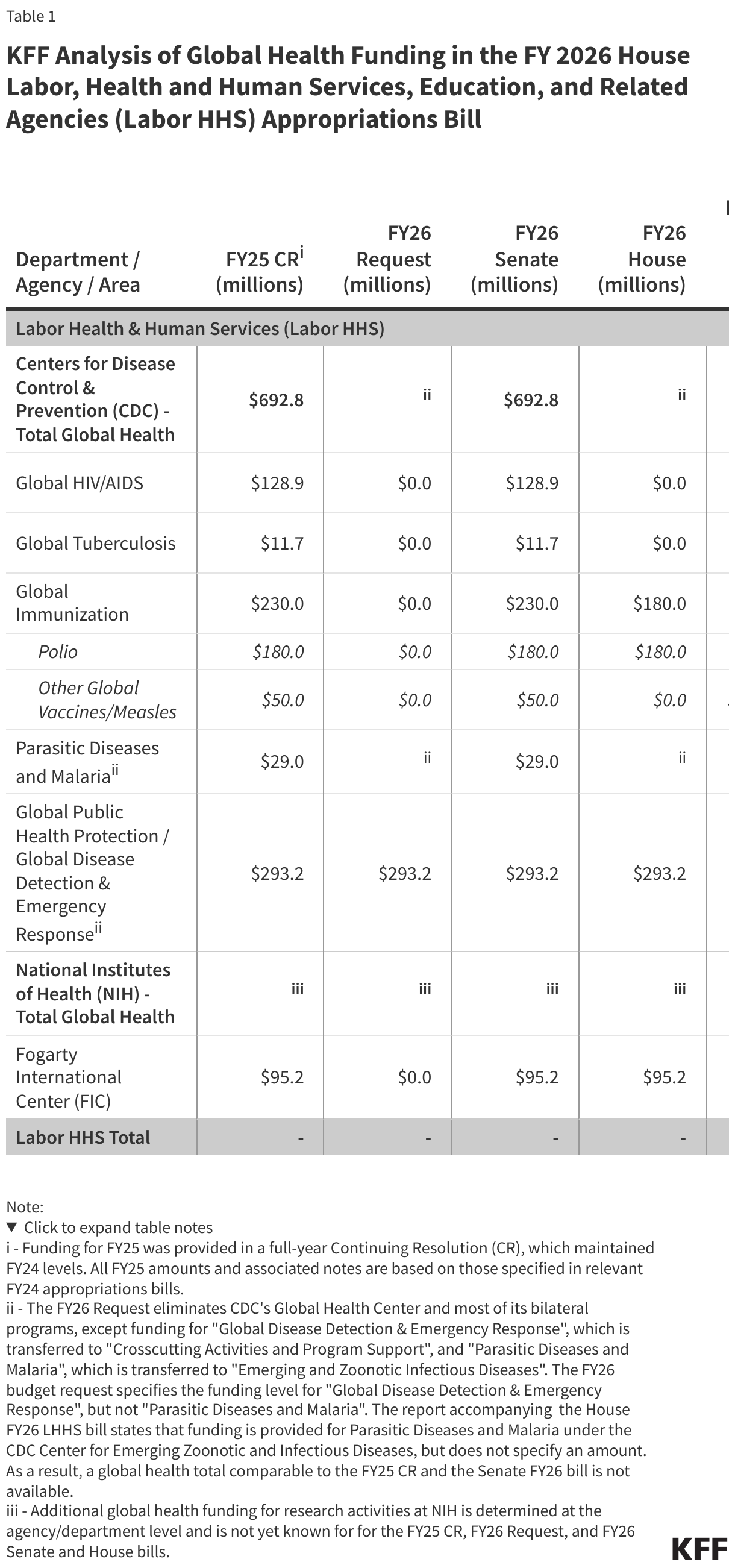
Washington D.C. – The House Appropriations Committee recently released and advanced its proposed budget for Fiscal Year 2027, outlining significant shifts in funding for national security, the State Department, and related programs. A key component of this bill is the allocation for global health programs, which has drawn scrutiny from public health advocates and policymakers alike. The proposed $8.9 billion for Global Health Programs (GHP) represents a $532 million decrease from the FY 2026 enacted level of $9.4 billion, but a substantial $3.8 billion increase over the President’s FY 2027 budget request of $5.1 billion. This complex funding landscape signals a potential recalibration of U.S. Priorities in global health initiatives.
The appropriations process, which began with a subcommittee release on April 22, 2026, and a markup on April 23, 2026, is now moving towards full committee consideration, expected around April 28, 2026. The final form of the bill reaching the House floor remains uncertain, but the current proposal offers insight into the Republican stance on U.S. Global engagement. The bill’s overall approach reflects a move towards prioritizing specific programs while reducing broader funding envelopes, a strategy that has sparked debate about its potential impact on global health security.
Funding Breakdown: PEPFAR and Beyond
The bill allocates $5.53 billion to the President’s Emergency Plan for AIDS Relief (PEPFAR) and the Global Fund to Fight AIDS, Tuberculosis and Malaria. Within this allocation, $4.28 billion is earmarked for bilateral HIV programs, a decrease of $350 million, or 8%, compared to the FY 2026 enacted level of $4.63 billion. This represents the only area where specific program funding has been reduced compared to the previous fiscal year. The President’s FY 2027 budget request did not specify amounts for bilateral HIV or other program areas, instead proposing to eliminate disease-specific accounts.
The U.S. Contribution to the Global Fund is specified as $1 billion in the bill. The remaining $1.13 billion within the GHP account is designated for “other global health activities,” encompassing programs historically funded through the U.S. Agency for International Development (USAID). This broad category includes initiatives addressing a range of health challenges, from maternal and child health to infectious disease prevention and control. The allocation within this segment will be subject to further scrutiny as the bill progresses through the legislative process.
Broader Implications for U.S. Global Engagement
The House Appropriations Committee’s actions align with a broader trend towards re-evaluating U.S. Contributions to international organizations and programs. The proposed legislation proposes sweeping reductions to core UN funding and the elimination of key accounts, signaling a potential shift away from multilateral engagement. Specifically, the bill provides $310 million for Contributions to International Organizations (CIO), a nearly 78% cut from current levels. This reduction could significantly impact U.S. Participation in various UN agencies and programs.
The proposed cuts to UN funding are particularly noteworthy. The bill suggests eliminating funding for the UN regular budget and most UN specialized agencies, with selective support potentially reserved for organizations like NATO and the International Atomic Energy Agency (IAEA). This approach reflects a desire to prioritize bilateral relationships and focus resources on areas deemed strategically essential to U.S. Interests. Still, critics argue that such cuts could undermine international cooperation and weaken the U.S.’s ability to address global challenges effectively.
Impact on Global Health Security
The proposed changes to global health funding raise concerns about the potential impact on global health security. While the overall GHP allocation remains above the President’s request, the reduction in bilateral HIV funding and the potential cuts to UN programs could hinder efforts to combat infectious diseases, strengthen health systems, and respond to emerging health threats. PEPFAR, in particular, has been lauded for its success in reducing HIV/AIDS-related mortality and morbidity worldwide, and any reduction in funding could jeopardize these gains.
Experts emphasize the interconnectedness of global health and national security. Investing in global health programs is not only a moral imperative but also a strategic one, as infectious diseases can easily cross borders and pose a threat to domestic populations. Reducing funding for these programs could weaken the global health infrastructure and increase the risk of future pandemics. The bill’s emphasis on specific programs, while potentially beneficial in targeted areas, may come at the expense of broader health security initiatives.
Stakeholder Reactions and Future Outlook
The release of the House Appropriations Committee’s bill has prompted a range of reactions from stakeholders. Public health organizations have expressed concern about the proposed cuts, warning of potential setbacks in global health progress. Advocates for multilateralism have criticized the reductions in UN funding, arguing that they would weaken the U.S.’s ability to address global challenges effectively.
The bill now moves to the full House for consideration, where it may be subject to further amendments. The final outcome will depend on negotiations between House and Senate appropriators, as well as the President’s willingness to sign the bill into law. The coming months will be crucial in determining the future of U.S. Global health funding and its impact on global health security. The next key checkpoint will be the full committee consideration of the bill, anticipated around April 28, 2026.
Key Takeaways:
- The House Appropriations Committee proposed an $8.9 billion allocation for Global Health Programs in FY27, a decrease from FY26 but an increase over the President’s request.
- Bilateral HIV funding is slated for an 8% reduction, the only specific program area facing cuts.
- Significant cuts are proposed for U.S. Contributions to international organizations, particularly the UN.
- Stakeholders have expressed concerns about the potential impact on global health security and international cooperation.
What are your thoughts on the proposed changes to global health funding? Share your comments below, and please share this article with your network to promote informed discussion.