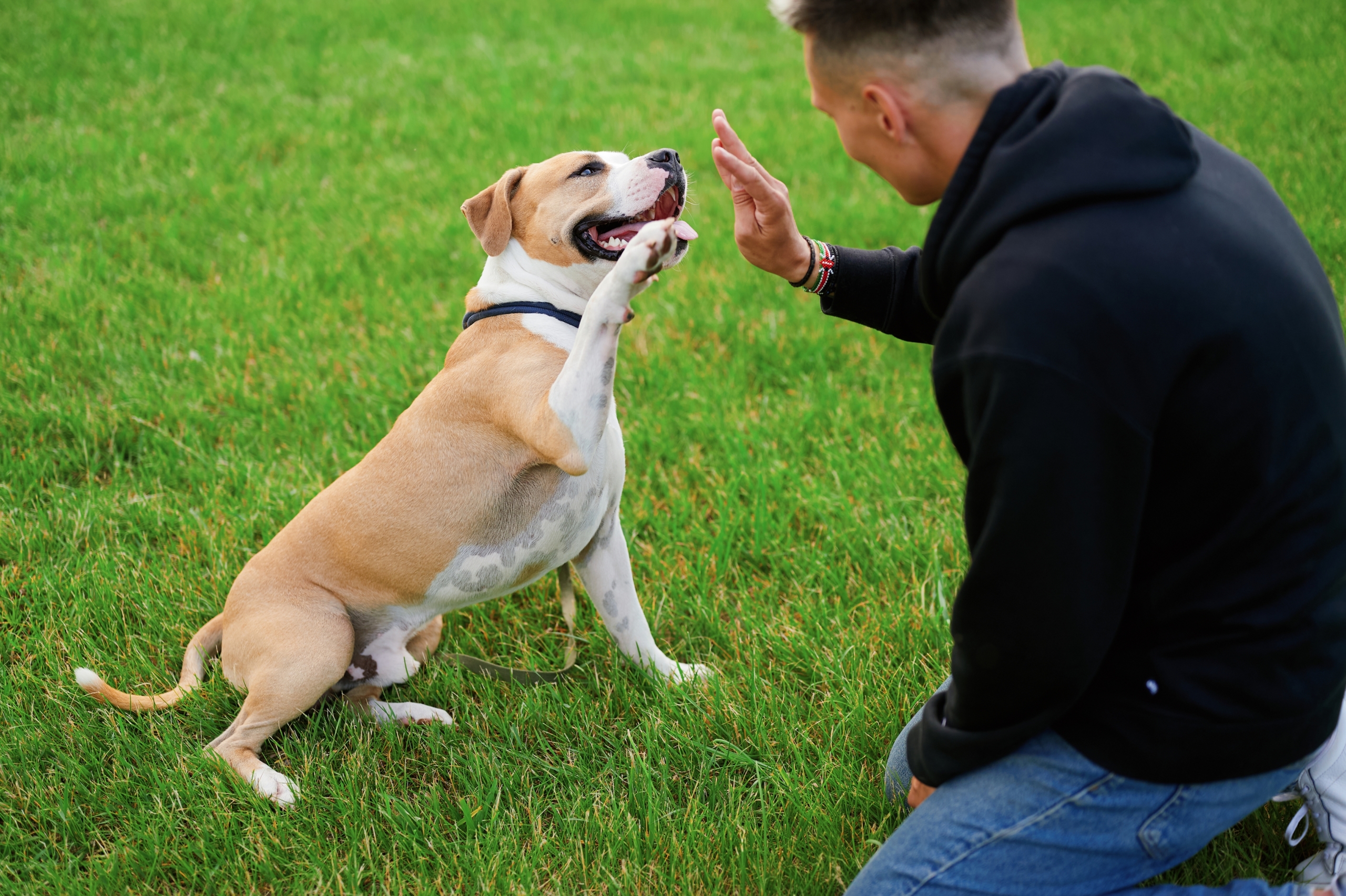
For any dog owner, there is a profound, almost spiritual moment when a pet stops being just a companion and becomes a trusted confidant. That shift—the moment a dog looks at their human with absolute certainty and security—is the goal of every new puppy parent and every rescue adopter. While many believe this bond happens by chance, behavioral science suggests that the path to trust is paved with specific, intentional interactions.
Building trust with dogs is not about a single “magic” gesture, but rather a consistent application of positive reinforcement and the respect of canine boundaries. Recent observations in animal behavior indicate that the most significant indicator of a strengthening bond is not how well a dog obeys a command, but how often the animal chooses to initiate contact with its owner. When a dog begins to seek out their human for comfort, play, or simply proximity, it signals a fundamental shift in their perception of safety.
This transition toward trust is observable across all stages of a dog’s life. While puppies are often seen as “blank slates,” research into canine psychology shows that adult dogs—including those with traumatic backgrounds—can achieve the same level of secure attachment. The key lies in shifting the dynamic from one of control to one of cooperation, allowing the dog to lead the pace of the relationship.
The Science of Initiation: Why the Dog Must Lead
In the realm of animal behavior, “initiation” is a critical metric for measuring trust. When a human constantly pushes for affection—leaning over a dog, forcing pets, or insisting on cuddles—it can inadvertently create a pressure-filled environment. For a dog, especially one that is anxious or unfamiliar, this can be perceived as an intrusion of space.
The fastest route to a secure bond is the “low-pressure approach.” By giving a dog the space to decide when and how to interact, the owner demonstrates a predictable and respectful nature. Behavioral experts suggest that when dogs are allowed to initiate contact, they develop a sense of agency. This agency reduces stress hormones like cortisol and increases oxytocin, the “bonding hormone” shared by humans and canines.
Owners who report the most rapid improvements in their dogs’ trust levels often describe a period of “strategic ignoring.” By focusing on their own activities and offering treats or praise only when the dog approaches them, owners flip the script. The dog stops viewing the human as a source of unpredictable pressure and starts seeing them as a rewarding, safe harbor.
Positive Reinforcement: The Foundation of Security
At the heart of every trusting relationship is the principle of positive reinforcement. This method focuses on rewarding desired behaviors rather than punishing mistakes, which is essential for maintaining a dog’s emotional security. According to the American Kennel Club (AKC), positive reinforcement training creates a more confident dog and a stronger bond between the pet and the handler.
The mechanism is simple: when a dog associates their owner with positive outcomes—such as high-value treats, verbal praise, or favorite toys—the owner becomes a “predictable reward system.” Predictability is the cornerstone of trust. A dog that knows exactly what to expect from its human is a dog that feels safe.
To accelerate this process, experts recommend the following evidence-based strategies:
- Hand-Feeding: Transitioning some or all of a dog’s meals to hand-feeding. This associates the owner directly with the most basic survival need—food—and encourages the dog to stay close and engaged.
- Low-Value vs. High-Value Rewards: Using “high-value” treats (like slight pieces of plain boiled chicken or freeze-dried liver) specifically for moments of bravery, such as when a shy dog first initiates a touch.
- Consistent Verbal Cues: Using a calm, consistent tone. High-pitched excitement can be rewarding for some, but a steady, soothing voice provides a sense of stability for anxious dogs.
Adapting Trust-Building Across Different Life Stages
While the principles of trust remain the same, the application varies depending on the dog’s age and developmental stage. Understanding these differences prevents owners from accidentally stressing their pets.
Puppies: Establishing the Blueprint
For puppies, trust is about socialization and the avoidance of “fear periods.” During these critical windows of development, a single negative experience can create a lifelong phobia. Building trust at this stage involves exposing the puppy to new sights, sounds, and people in a controlled, positive manner. Because puppies are naturally curious, the goal is to ensure that their curiosity is always met with a positive reward, cementing the owner’s role as the “guide” to the world.
Adult Dogs and Rescues: Healing the Breach
For adult dogs, particularly those from shelters, trust-building is often about “unlearning” negative associations. These dogs may have a history of unpredictable owners or traumatic environments. For them, trust is not a given; it is earned through a series of small, consistent victories.
The “initiation” phase is most critical here. An adult rescue dog may take weeks or months to first nudge an owner’s hand for a pet. When this happens, it is a milestone of immense psychological significance. By rewarding these small initiations without overwhelming the dog with excessive emotion, owners provide a stable environment where the dog can safely explore their vulnerability.
Reading the Silent Language: Canine Body Signals
True trust is a two-way street. To build a bond, the human must be able to “read” the dog’s communication. Misinterpreting a dog’s signals—such as mistaking a “stress smile” for happiness—can lead to a breach of trust if the human pushes a boundary the dog is trying to signal.
Key signals that a dog is beginning to trust their owner include:
- The “Lean”: When a dog leans its weight against the owner’s legs, it is a sign of seeking security and affection.
- Soft Eye Contact: A relaxed gaze (not a stare-down) indicates a lack of perceived threat.
- Exposing the Belly: This is the ultimate sign of vulnerability and trust, showing that the dog feels safe enough to expose its most vital organs.
- Sighing and Settling: A deep sigh followed by the dog lying down near the owner indicates a state of total relaxation and psychological safety.
By responding to these signals with appropriate, low-pressure affection, owners reinforce the dog’s decision to trust. If a dog turns its head away or licks its lips (signs of stress), the most trusting thing an owner can do is offer the dog space immediately. This proves to the dog that their boundaries are respected, which paradoxically makes them more likely to trust the human in the future.
Practical Guide to Trust-Building Exercises
For those looking to actively strengthen the bond with their pet, incorporating shared activities that require cooperation can accelerate the process. These activities move the relationship from “owner and pet” to “partners.”
| Activity | Why it Works | Best For |
|---|---|---|
| Scent Work / Hide-and-Seek | Engages the dog’s natural instincts; creates a “game” with the owner. | High-energy dogs, puppies |
| Calm Grooming (with rewards) | Desensitizes the dog to touch in sensitive areas. | Anxious adults, rescues |
| Parallel Walking | Walking side-by-side without tension on the leash. | Reactive dogs, new bonds |
| Interactive Puzzle Toys | Solving a problem together creates a shared sense of achievement. | All ages |
The Role of Routine
Consistency is the silent engine of trust. Dogs thrive on predictability. A structured daily routine—feeding, walking, and training at the same times each day—reduces anxiety. When a dog can predict the flow of their day, they stop scanning for threats and start focusing on their relationship with their human. This mental bandwidth is what allows them to move from a state of “survival” to a state of “bonding.”
Common Mistakes That Erase Trust
Building trust takes months, but breaking it can happen in seconds. To maintain a secure bond, owners should avoid several common pitfalls that can trigger a dog’s “fear response.”

The Leverage of Aversion: Using shock collars, prong collars, or physical punishment creates a relationship based on fear, not trust. While a dog may “obey” under these conditions, they are not trusting the owner; they are avoiding pain. This often leads to “learned helplessness” or sudden aggression when the dog’s fear threshold is crossed.
Over-Stimulation: Forcing a dog into social situations they aren’t ready for—such as crowded dog parks or loud parties—can cause a “trust relapse.” If a dog feels their owner cannot protect them from a stressful environment, they may stop relying on that owner for security.
Inconsistency: Allowing a behavior one day and punishing it the next creates cognitive dissonance for the dog. A dog that doesn’t understand the “rules” of the house cannot feel truly secure.
Moving Forward: The Long-Term Bond
The journey toward total trust is not a linear path. There will be days of regression, especially for rescue dogs who may have “awful days” triggered by smells or sounds that remind them of past trauma. The hallmark of a truly trusting relationship is the ability to weather these regressions with patience and empathy.
the fastest way to a dog’s heart is through a combination of respect, predictability, and positive reinforcement. When we stop trying to “train” the trust out of a dog and instead create the environment where trust can grow naturally, we unlock the deepest level of canine companionship.
For those seeking further guidance on canine behavioral health, the American Veterinary Medical Association (AVMA) provides resources on the importance of behavioral wellness and the role of professional veterinary behaviorists in treating severe anxiety.
As we continue to learn more about the emotional complexity of dogs, it becomes clear that they are not just pets, but sentient beings capable of profound loyalty and love. By prioritizing their emotional safety, we ensure that the bond we share is not just one of ownership, but of genuine, mutual trust.
Do you have a story about how you earned your dog’s trust? Or a specific challenge you’re facing with a rescue pet? Share your experiences in the comments below or join our community discussion on pet wellness.
Worth a look