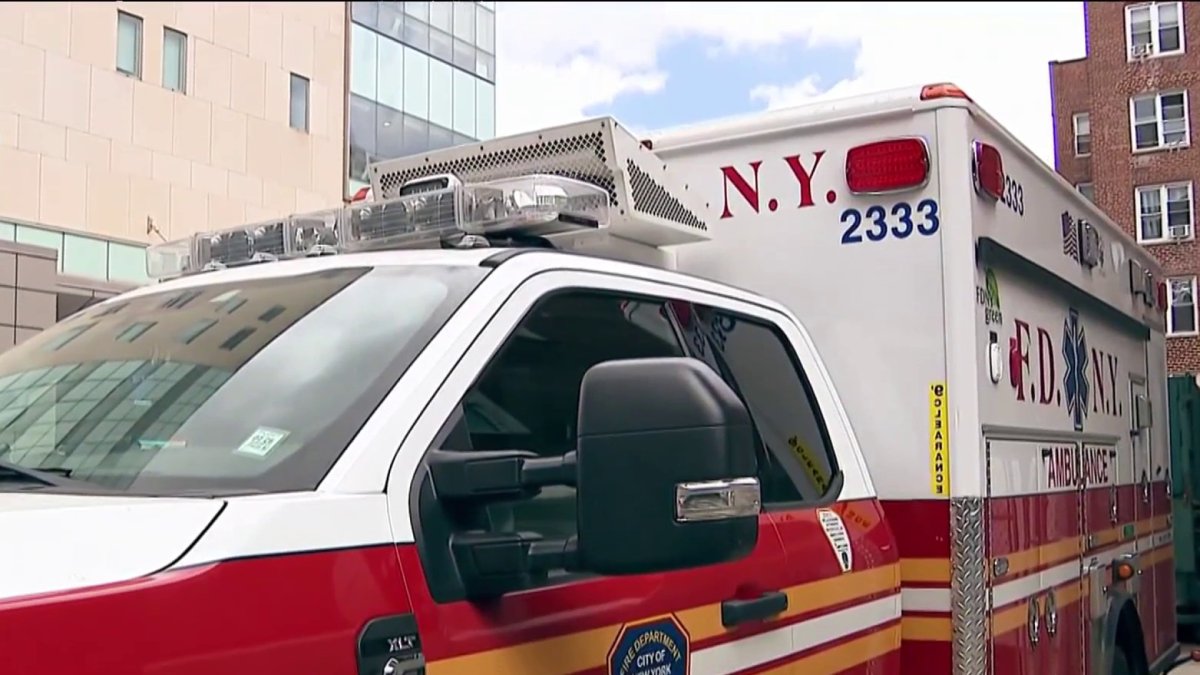
New York City residents may soon face significantly higher costs when calling for an ambulance, as the Fire Department of New York (FDNY) proposes substantial increases to emergency medical service fees. The plan, driven by rising operational costs and expiring labor contracts, would raise the price of a basic life support ambulance ride from $1,385 to $1,793—a 29% increase—while treatment provided at the scene without transport would jump from $630 to $896, a 42% rise.
These proposed changes, if approved, would take effect July 1, 2026, following a virtual public hearing scheduled for May 15 at 11 a.m. The FDNY states the adjustments are necessary to offset growing expenses and reduce the financial burden on city taxpayers, noting that current fees have not been updated since May 2023.
Additional charges, including $20 per mile for transport and $66 for oxygen administration, would remain unchanged under the proposal. The plan also includes a 30.7% increase for advanced life support services, with Level 1 trips rising from $1,680 to $2,196 and Level 2 from $1,692 to $2,012.
The proposal comes amid ongoing contract negotiations with emergency medical services unions, whose current agreement expired in 2022. Union leaders have warned that low pay is driving a staffing crisis, with estimates suggesting up to 37% of EMTs and paramedics could leave by 2026 if wages are not improved. They argue that the fee increase does not address the core issue of inadequate compensation, which they say undermines recruitment, and retention.
Queens City Councilwoman Joann Ariola, chair of the Fire and Emergency Management Committee, has voiced concern that the financial burden will ultimately fall on patients through higher insurance premiums, particularly affecting older residents who rely on Medicare. She noted that the proposed hikes stem from Mayor Zohran Mamdani’s preliminary budget, which directed all city agencies to identify cost-saving measures.
The FDNY has framed the fee adjustment as a response to inflation and anticipated wage increases under a new labor contract, emphasizing that the revised rates aim to shift more of the cost burden from taxpayers to service users. Officials say the changes reflect both personal service costs and other operational expenses required to maintain emergency ambulance operations across the city’s five boroughs.
As the May 15 hearing approaches, stakeholders including patient advocacy groups, healthcare providers, and labor representatives are expected to weigh in on the proposal’s impact on access to emergency care and the sustainability of the city’s EMS workforce. The outcome will determine whether New Yorkers will pay more for ambulance services starting mid-2026.