
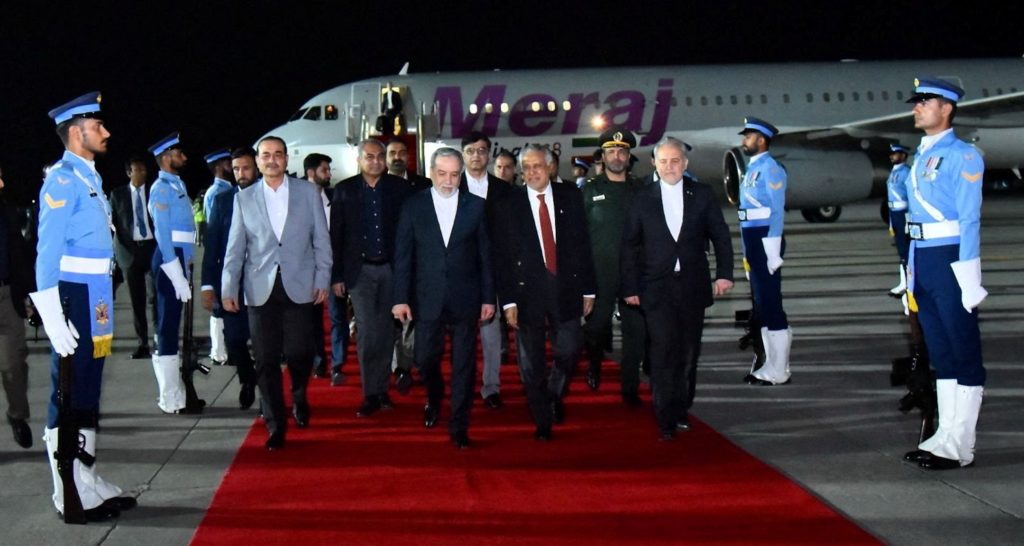
U.S. Envoys Steve Witkoff and Jared Kushner have arrived in Islamabad as part of a diplomatic effort to advance talks with Iran aimed at de-escalating the ongoing conflict, according to verified reports from Al Jazeera published on April 24, 2026. The delegation’s visit coincides with the arrival of Iranian Foreign Minister Abbas Araghchi in Pakistan’s capital, raising hopes for renewed dialogue despite Tehran not yet confirming its participation in direct negotiations.
The White House confirmed through Press Secretary Karoline Leavitt that the U.S. Team intends to engage with Araghchi to “move the ball forward to a deal,” though Iranian officials have not publicly committed to face-to-face talks. Araghchi’s spokesperson stated earlier that his visit to Islamabad was part of a broader regional tour including Muscat and Moscow, focused on bilateral coordination without specific mention of U.S. Engagement.
Central to the discussions is the Strait of Hormuz, a critical maritime chokepoint through which approximately 20% of global oil trade passes, where shipping activity has remained significantly disrupted amid the two-month-long U.S.-Israeli military campaign against Iran. The freezing of vital maritime traffic in the strait has intensified international concern over regional energy security and global supply chains.
President Donald Trump expressed optimism in recent remarks to Reuters, stating that Iran was “making an offer” intended to satisfy U.S. Demands, which include the verifiable abandonment of its nuclear weapons program. Earlier, U.S. Defense Secretary Pete Hegseth echoed this sentiment, telling reporters that Iran still had “an open window to choose wisely” at the negotiating table by dismantling its nuclear capabilities in a meaningful and verifiable manner.
Diplomatic Maneuvering Amid Regional Tensions
The current diplomatic initiative unfolds against a backdrop of heightened tensions following the onset of hostilities two months prior, which saw coordinated U.S. And Israeli strikes targeting Iranian nuclear and military infrastructure. While Iran has responded with limited retaliatory actions, including missile strikes on regional bases, it has avoided direct escalation that could trigger a broader regional war.
Pakistan’s role as host reflects its longstanding position as a neutral intermediary in South Asian and Middle Eastern diplomacy. Islamabad has previously facilitated backchannel communications between rival states, leveraging its geographic proximity and diplomatic ties with both Washington and Tehran. However, Pakistani officials have not issued public statements confirming their facilitation role in the current talks.
International observers note that any potential agreement would need to address not only Iran’s nuclear program but also the restoration of freedom of navigation in the Strait of Hormuz, where commercial shipping lanes have been intermittently blocked due to naval posturing and mine-laying activities attributed to multiple parties.
Stakeholder Perspectives and Regional Implications
Gulf states, particularly Saudi Arabia and the United Arab Emirates, have closely monitored the developments, given their vulnerability to any disruption in Hormuz-based oil exports. Analysts suggest that a diplomatic breakthrough could ease fears of prolonged supply constraints that have contributed to volatility in global energy markets since the conflict began.
European allies, while not directly involved in the military campaign, have urged restraint and emphasized the importance of diplomatic channels. The European Union’s External Action Service reiterated its support for a negotiated settlement that ensures regional stability and prevents further humanitarian strain on civilian populations affected by collateral damage and economic sanctions.
Within Iran, hardline factions continue to oppose any concessions on nuclear capabilities, viewing them as essential to national sovereignty. Conversely, reformist elements within the government have reportedly advocated for diplomatic engagement to alleviate worsening economic conditions exacerbated by international sanctions and wartime disruptions.
Verification and Path Forward
As of now, no official meeting between the U.S. Delegation and Iranian officials has been confirmed. Both sides maintain public positions that leave room for interpretation—Araghchi’s regional tour suggests diplomatic openness, while the absence of a confirmed sit-down indicates lingering mistrust or preconditions on Tehran’s part.

The next confirmed checkpoint in this diplomatic process will be any public statement from either the U.S. State Department or Iran’s Ministry of Foreign Affairs regarding the outcomes of the April 24–25 engagements in Islamabad. Until then, claims about progress or breakthroughs remain unverified.
For ongoing updates, readers are encouraged to consult official sources including the U.S. Department of State’s press briefings, Iran’s official news agency IRNA, and reputable international outlets such as BBC News, Reuters, and Al Jazeera, which continue to monitor developments in real time.
If you have insights or perspectives on these diplomatic efforts, we invite you to share them in the comments below. Support foster informed discussion by sharing this article with others interested in global affairs and peacebuilding initiatives.