
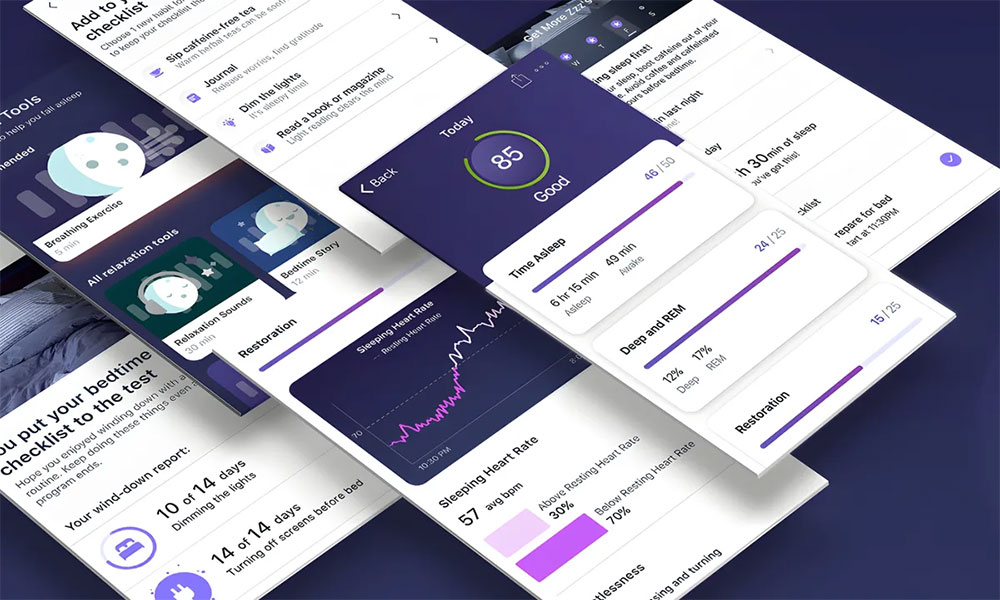
Fitbit has introduced a significant update to its mobile application that transforms it into a conversational personal health coach powered by artificial intelligence. This modern feature, known as the Personal Health Coach, leverages Gemini technology to provide users with personalized guidance based on their health data from paired Fitbit devices, user profiles, and connected third-party applications. The feature is currently available in public preview and requires a Fitbit Premium subscription for full access.
The update marks a strategic shift in how users interact with their fitness data, moving beyond passive tracking to active, two-way engagement. By allowing users to ask questions, discuss goals, and receive tailored advice through natural language conversations, Fitbit aims to make health insights more accessible and actionable. The coach can help users set personalized fitness plans, review progress, and adjust recommendations based on ongoing dialogue.
According to verified information from Fitbit’s support documentation, the Personal Health Coach uses health data including activity levels, sleep patterns, heart rate, and logged symptoms to generate insights. Users can engage with the coach by tapping the “Ask Coach” icon within the app, where they can discuss topics such as fitness goals, lifestyle challenges, and general well-being. The coach stores shared information as “coach notes” to refine future guidance.
The feature is designed to support holistic health goals, with specific attention to physical and mental well-being. For physical health, users can log symptoms and menstrual cycles through calendar tracking, with Premium subscribers receiving personalized insights from their coach. For mental health, the app allows tracking of mindfulness sessions and mood journaling to support emotional awareness and stress management.
Fitbit emphasizes that the Personal Health Coach is not intended for medical diagnosis, treatment, or professional advice. The company explicitly states that the AI-powered coach should not be used for clinical purposes and does not provide licensed medical or pharmaceutical recommendations. Users are advised to consult healthcare professionals for any medical concerns.
Access to the feature requires participation in Fitbit’s public preview program and an active Fitbit Premium subscription. After joining the preview, users can enable the coach through the Fitbit app by following setup prompts that include discussing personal goals, challenges, and current health status. The onboarding process involves reviewing summaries, setting up personalized training plans, and optionally exploring the app’s main interface.
The integration of Gemini AI reflects a broader trend in wearable technology toward intelligent, interactive health companions. By combining real-time sensor data with generative AI capabilities, Fitbit aims to deliver context-aware advice that adapts to individual behaviors and preferences. This approach distinguishes the Personal Health Coach from traditional rule-based fitness apps that offer static recommendations.
As of April 2025, Fitbit continues to expand the availability of AI-driven features across its product line, with the Personal Health Coach representing one of the most advanced implementations to date. The feature is part of Fitbit’s ongoing investment in AI and user experience innovation under Google’s ownership, following the company’s acquisition by Alphabet in 2021.
Users interested in trying the Personal Health Coach can visit the Fitbit app’s settings menu to check for public preview eligibility and Premium subscription requirements. Official updates and support documentation are available through Fitbit’s help center, which provides step-by-step guidance on setup, usage, and data privacy considerations.
The introduction of conversational AI in consumer health apps raises important questions about data security, algorithmic transparency, and user trust. Fitbit addresses these concerns by noting that coach interactions are stored to improve personalization but are not shared without user consent. The company too reminds users that AI systems can make errors and that some content may not be suitable for all individuals.
For now, the Personal Health Coach remains in public preview, with broader rollout dependent on user feedback and technical refinement. Fitbit has not announced a specific timeline for general availability beyond the preview phase, but ongoing updates suggest continued investment in expanding the coach’s capabilities and accessibility.
As wearable technology evolves, features like the Personal Health Coach illustrate how AI can bridge the gap between data collection and meaningful health action. By enabling users to converse with their health data, Fitbit is redefining what it means to have a personal trainer — not just on the wrist, but in the palm of the hand.
To stay informed about future developments, users are encouraged to monitor official Fitbit channels and participate in community forums where preview features are often discussed. Feedback from early adopters plays a crucial role in shaping the final version of the tool before wider release.
If you’ve tried the new Personal Health Coach or have questions about how AI is shaping the future of fitness tracking, share your experience in the comments below. Your insights help others navigate the growing landscape of smart health technology.