
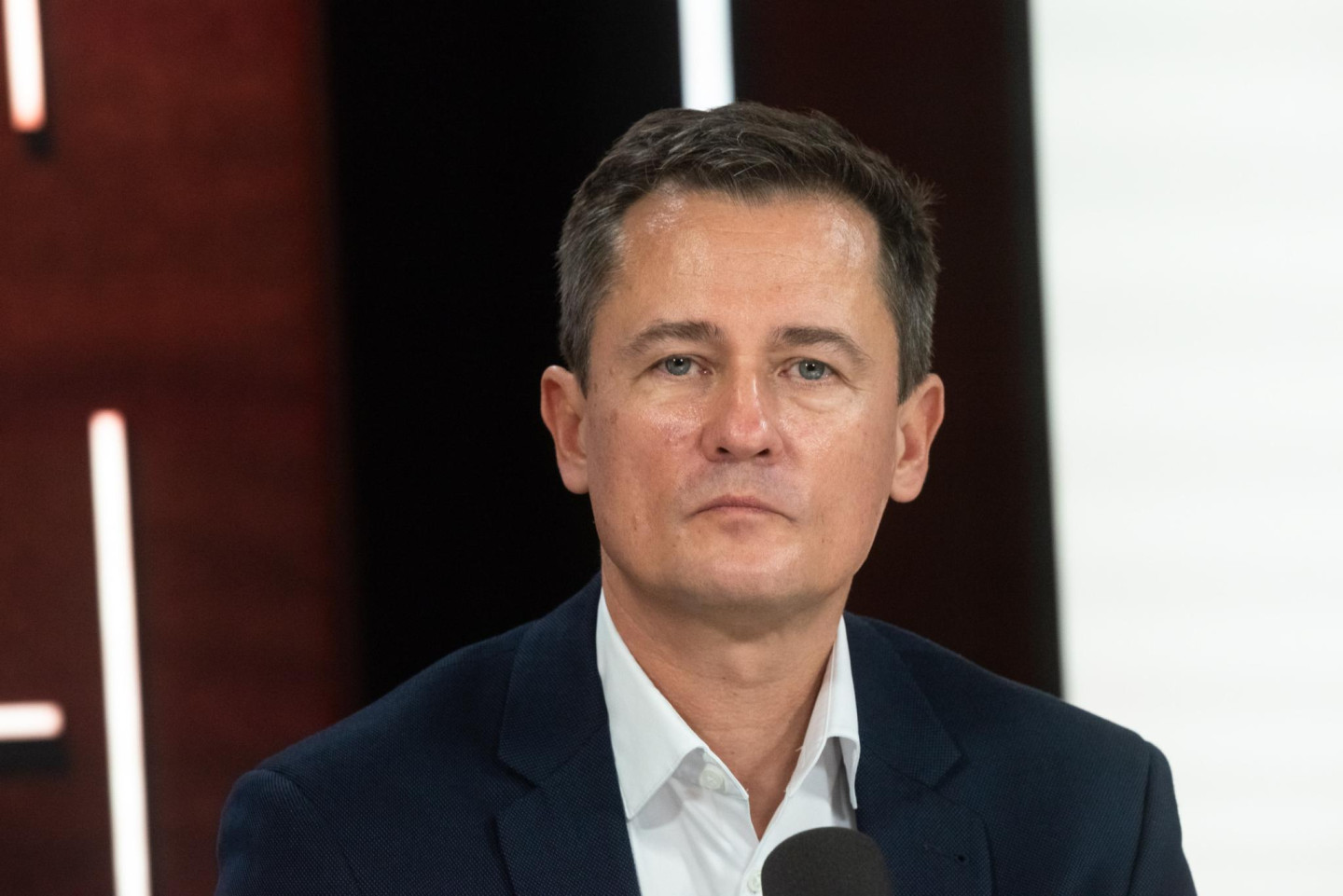
Professor Gustavs Latkovskis, a clinical and interventional cardiologist at Pauls Stradins Clinical University Hospital and Professor of Medicine at the University of Latvia in Riga, has expressed concern over consumer purchasing habits observed in large supermarkets, particularly regarding products linked to cardiovascular risk. His remarks, shared through Latvian medical and public health channels, highlight a growing disconnect between public awareness of heart health and actual dietary choices made during routine shopping.
Latkovskis, whose research focuses on lipidology and familial hypercholesterolemia, has long advocated for preventive cardiology and public education on managing cholesterol levels. In 2015, he established the Latvian Registry of Familial Hypercholesterolemia to improve early detection and treatment of inherited lipid disorders. His work has been recognized internationally, including his election as a corresponding member of the Latvian Academy of Sciences in 2019 and elevation to full member status in 2024.
The cardiologist’s recent comments, reported in Latvian media under the headline “Kardiologs Gustavs Latkovskis šokā, redzot, ko cilvēki pērk lielveikalos” (Cardiologist Gustavs Latkovskis shocked, seeing what people buy in supermarkets), reflect ongoing concerns about the prevalence of ultra-processed foods, high-sodium snacks and sugary beverages in everyday shopping carts. While the specific observations were not detailed in English-language sources, Latkovskis has previously spoken about the impact of diet on silent ischemia and statin intolerance in high-risk patients.
His warnings align with broader European Society of Cardiology (ESC) guidelines on cardiovascular prevention, which emphasize diet modification as a cornerstone of reducing atherosclerotic risk. Latkovskis has presented at multiple ESC Congresses, including sessions on lipid management in familial hypercholesterolemia and the role of nutrition in preventing obesity-related heart disease. At ESC Congress 2017, he contributed to discussions on trimethylamine-N-oxide (TMAO) levels and their association with insulin resistance, a metabolite linked to red meat and egg consumption.
In Latvia, where ischemic heart disease remains a leading cause of mortality, Latkovskis has worked to improve lipid goal attainment through national registries and clinician education. Data from the Latvian Registry of Familial Hypercholesterolemia, which he founded, has shown that lipid goals are poorly attained in the majority of patients at the time of inclusion—a finding he presented at ESC Congress 2019. This gap between clinical targets and real-world outcomes underscores the importance of public interventions, including supermarket environments and consumer behavior.
The professor has also served as a Board Member of the Latvian Society of Cardiology and the Baltic Atherosclerosis Society, and chaired the Certification Council of the Latvian Medical Association. He was president of the Baltic Atherosclerosis Society from 2013 to 2017. His clinical practice at Pauls Stradins Clinical University Hospital focuses on interventional cardiology and managing complex lipid disorders, particularly in patients who cannot tolerate statins.
Latkovskis’ recent remarks touch on a critical challenge in preventive medicine: even when individuals understand the risks of poor diet, environmental cues in retail settings—such as product placement, pricing, and marketing—can override intentions. He has not called for specific regulatory measures in public statements, but his advocacy consistently supports stronger public health messaging and improved access to heart-healthy options in community settings.
As of April 2026, there are no publicly recorded new appointments or policy changes directly tied to Latkovskis’ supermarket observations. However, his ongoing work with the Latvian Academy of Sciences and participation in ESC-led initiatives suggest continued influence on national cardiovascular strategy. The next expected development in his professional activity would be his continued contributions to ESC 365 educational content or potential involvement in upcoming ESC Congress sessions on preventive cardiology.
For readers seeking to understand their own cardiovascular risk, official resources such as the European Society of Cardiology’s patient guidelines and the Latvian Ministry of Health’s nutrition advisories offer evidence-based recommendations. World Today Journal encourages readers to share their experiences with healthy shopping habits and engage in the conversation about how retail environments impact public health.