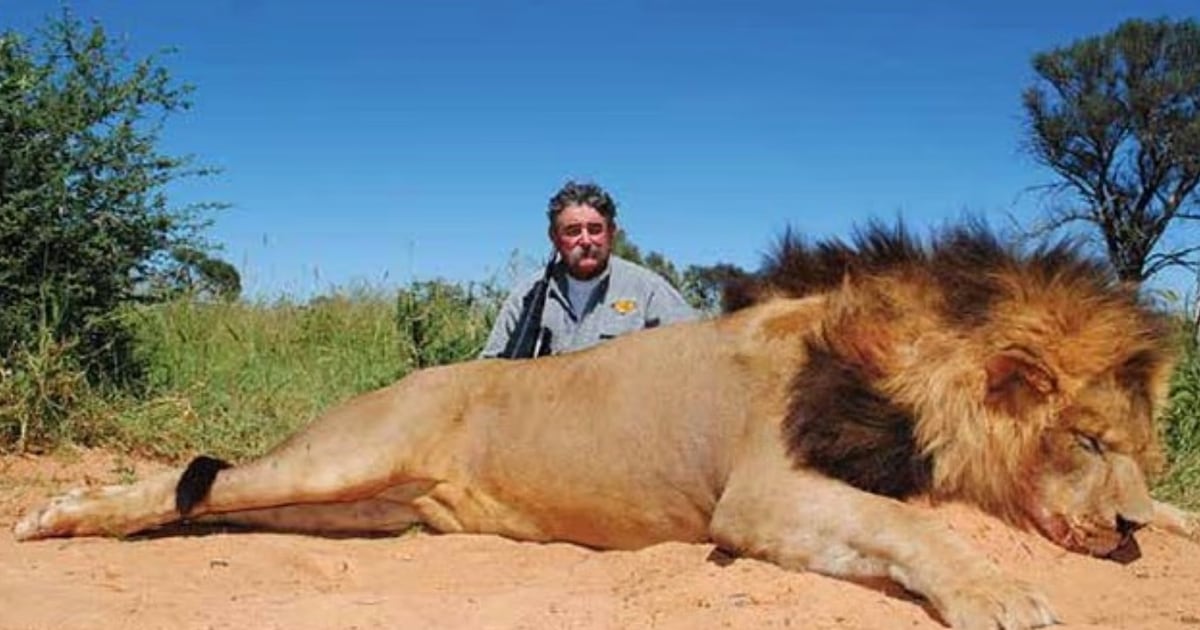
An American big-game hunter from California died in Gabon after being trampled by a herd of elephants during a hunting expedition in Central Africa. The incident occurred in the Lope-Okanda region of Gabon’s tropical rainforest, where the hunter was tracking a species of antelope known as the yellow-backed duiker.
The hunter, identified as Ernie Udicio, a 75-year-old vineyard owner and financial services operator from California, was accompanied by a professional guide when he encountered a female elephant with her calf and four other elephants. According to reports from The Guardian and Daily Mail, the elephants charged the hunting party, resulting in Udicio being crushed under their weight.
Udicio had paid $40,000 (approximately 59 million South Korean won) to participate in the guided hunt, which took place in a legally operated hunting concession in Gabon. Big-game hunting remains a controversial but legally permitted activity in several African nations, often attracting wealthy international clients seeking exotic trophies.
The Gabonese government regulates hunting through quotas and permits designed to support conservation efforts and local communities. However, wildlife conservation groups continue to criticize such practices, arguing that they threaten endangered species and disrupt ecosystems, particularly when involving large mammals like elephants.
African elephants, the largest land animals on Earth, are known to be highly protective of their young. Encounters between humans and elephant herds, especially those with calves, can turn defensive rapidly, even when the humans are armed or accompanied by guides.
This incident adds to ongoing global debates about the ethics and safety of trophy hunting in Africa. While some argue that regulated hunting generates revenue for conservation and anti-poaching efforts, others contend that it normalizes the killing of wildlife and risks unintended harm to both humans and animals.
As of now, Gabonese authorities have not released an official statement detailing the findings of any investigation into the incident. No charges have been reported against the hunting guide or the organizing company involved in the expedition.
For updates on wildlife safety protocols, hunting regulations in Gabon, or statements from conservation organizations, readers are encouraged to consult official sources such as the Gabonese Ministry of Forestry, Sea, and Environment, or international bodies like the Convention on International Trade in Endangered Species of Wild Fauna and Flora (CITES).
We invite our readers to share thoughtful reflections on this tragic event and its broader implications for human-wildlife coexistence in the comments section below. Please feel free to share this article to help foster informed discussion on wildlife conservation and ethical hunting practices.