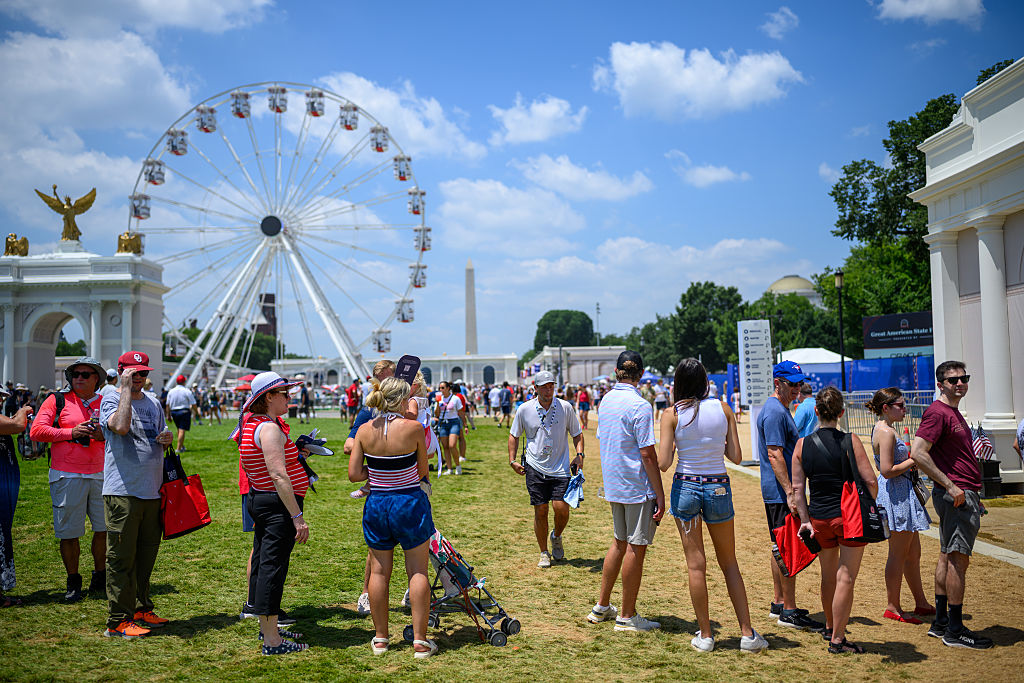
The United States is organizing national preparations for its 250th anniversary of independence, scheduled for July 4, 2026, under the guidance of the bipartisan America250 Commission. The effort aims to coordinate a series of national celebrations focused on shared history and civic unity, though planners face significant challenges ranging from political polarization to the logistical risks of extreme summer weather.
The commission, established to oversee the semiquincentennial, is tasked with creating a commemorative framework that engages all 50 states and five territories. According to the America250 Commission, the goal is to move beyond a single event in Washington, D.C., and instead foster a “grassroots” movement of local commemorations that reflect the diverse experiences of the American population.
However, the roadmap to 2026 is complicated by a deeply divided political climate. While the official commission emphasizes a unified national narrative, the lead-up to the milestone has seen competing interpretations of patriotism. This tension mirrors the challenges faced during the 1976 Bicentennial, though current analysts suggest that the level of political fragmentation is significantly higher today.
Economic and infrastructure concerns also loom large. Planning for millions of visitors during the peak of summer requires extensive coordination with public health officials and urban planners to mitigate the risks of heat-related illness and transit failures, especially in densely populated corridors like the National Mall.
How is the America250 Commission structuring the celebrations?
The official coordination of the 250th anniversary falls under the Semiquincentennial Commission Act, which created a bipartisan body to plan the observance. The commission’s primary mandate is to ensure the celebration is inclusive and representative of the entire nation, rather than a centralized federal spectacle.

The commission is focusing on three primary pillars: education, community engagement, and public spectacle. By partnering with state-level commissions, the federal body intends to distribute the celebration’s footprint. This strategy is designed to avoid the logistical bottlenecks that typically plague large-scale events in Washington, D.C., and to encourage tourism and local economic growth in smaller municipalities.
Funding for these events is a blend of federal appropriations and private partnerships. The commission is actively seeking corporate sponsorships and philanthropic donations to supplement government budgets, ensuring that the celebrations can scale without placing an undue burden on taxpayers.
What are the primary logistical and weather risks for 2026?
Planners are increasingly concerned about the impact of extreme heat on outdoor public gatherings. According to data from the National Weather Service, a growing percentage of the U.S. population is subject to severe heat alerts during the July 4th holiday period, with heat indices frequently exceeding 100 degrees in the Mid-Atlantic and Midwest regions.

These environmental factors necessitate a shift in how large-scale events are designed. For the 2026 celebrations, urban planners are prioritizing the following infrastructure adjustments:
- Expanded Cooling Infrastructure: Integration of high-capacity cooling stations and “shade corridors” to prevent heatstroke in crowded areas.
- Dynamic Scheduling: Shifting high-attendance programming to early morning or late evening hours to avoid peak UV radiation.
- Public Health Monitoring: Coordinating with emergency medical services (EMS) to deploy mobile triage units capable of treating heat-related illness in real time.
Air quality also remains a critical variable. Stagnant summer air combined with humidity and potential wildfire smoke—which has become a recurring summer phenomenon in the U.S.—could force last-minute cancellations or modifications to outdoor fireworks and parades.
Why is the 250th anniversary becoming a political flashpoint?
While the America250 Commission is bipartisan, the broader cultural context of the semiquincentennial is marked by competing visions of national identity. The official narrative of “civic unity” often clashes with more partisan interpretations of American values.
Observers note that milestones like the 250th anniversary are frequently used by political figures to frame their specific vision of patriotism. This often manifests in “parallel celebrations”—events that use the anniversary theme but emphasize different historical narratives or political goals. These competing events can lead to fragmented audiences and, in some cases, increased security risks due to the potential for protests or counter-protests.
The challenge for the official commission is to maintain a neutral, inclusive space that acknowledges the complexities of American history—including its failures and triumphs—without alienating any significant portion of the electorate. This balancing act is critical for the event’s success as a tool for national cohesion.
What happens next in the planning process?
As the 2026 deadline approaches, the America250 Commission will move from the conceptual phase to the implementation phase. This involves the finalization of state-level partnerships and the release of detailed event calendars for the anniversary year.

The next major checkpoint will be the announcement of the primary “anchor events” in Washington, D.C., and other major cities. These announcements will likely include detailed safety protocols and transportation plans designed to handle the projected surge in domestic and international tourism.
We invite our readers to share their thoughts on how the U.S. should commemorate this milestone. Do you believe a centralized celebration fosters unity, or are local, decentralized events more effective? Join the conversation in the comments below.