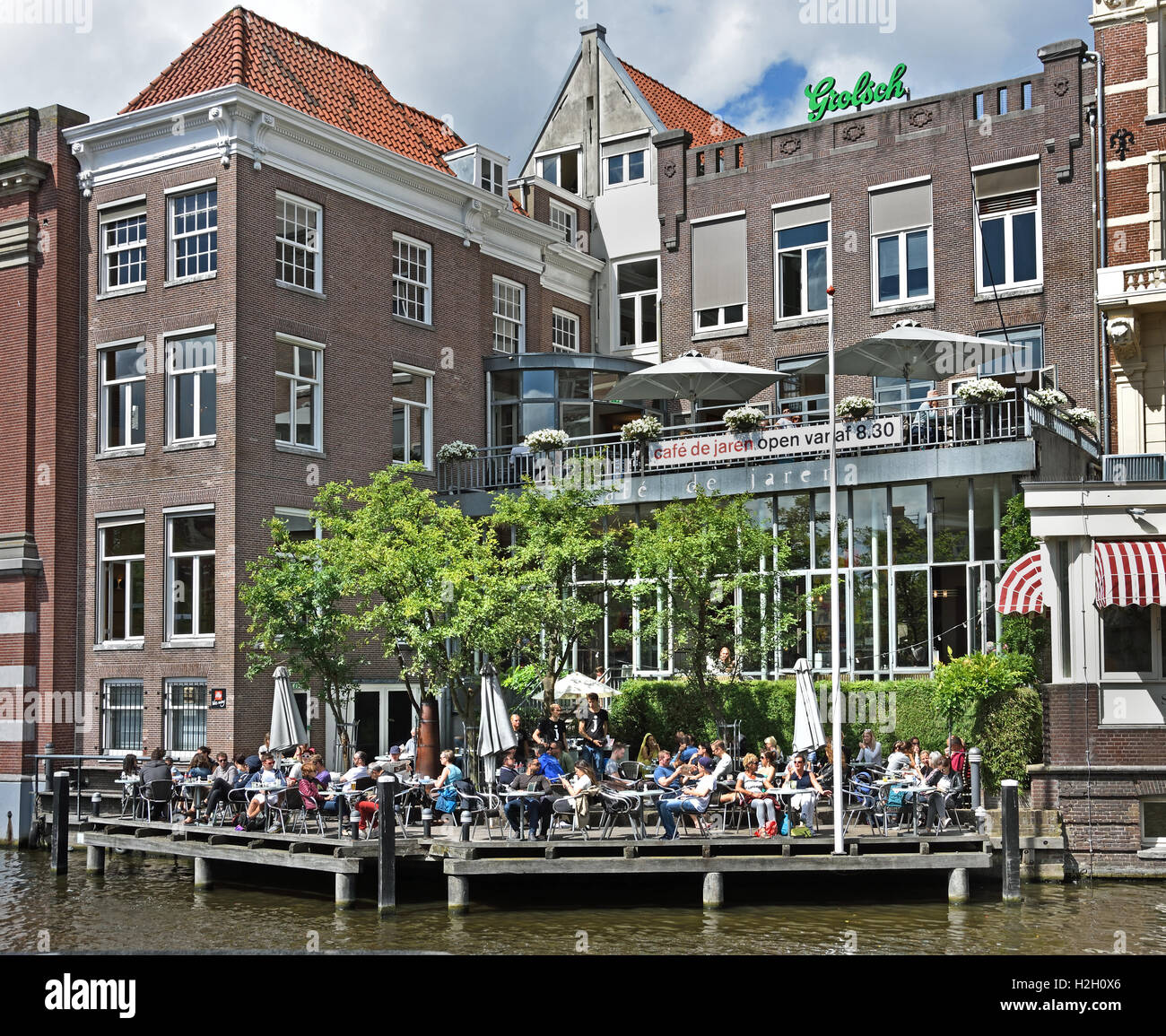
A long-standing community hub in Amsterdam-Noord has become the center of a heated debate over urban bureaucracy and the “culture of complaining” after the city government ordered the removal of its iconic terrace tables. Café ‘t Sluisje, a landmark establishment on the Nieuwendammerdijk, has seen its outdoor seating stripped away following a single complaint from a visitor, sparking a wave of public indignation and a grassroots campaign to restore the seating.
The dispute centers on a set of picnic tables that had remained in place for 30 years, serving as a gathering point for locals and visitors alike. The removal of these tables, which the establishment describes as “stamtafels” (regular’s tables), has triggered an outpouring of support for the café and sharp criticism of the Municipality of Amsterdam’s rigid enforcement of terrace regulations.
The catalyst for the city’s intervention was reportedly a woman who used the terrace to paint although drinking from her own thermos, refusing to order from the café. According to reports from De Telegraaf, this individual filed a complaint with the municipality, which subsequently triggered a re-evaluation of the café’s terrace permit and the forced removal of the seating.
A Community Landmark Under Pressure
For three decades, the picnic tables at Café ‘t Sluisje functioned as more than just furniture; they were a social anchor for the “dijkers” (residents of the dike) in Amsterdam-Noord. The sudden disappearance of these tables has been characterized by critics as “vertrutting ten top”—a Dutch term referring to the excessive “tidying up” or sterilization of a neighborhood’s character in favor of sterile regulations.

The impact of the decision has resonated beyond the immediate neighborhood. A column in NRC highlighted the social loss, noting that these specific tables were where the community converged. The removal is seen by many as a victory for a “complaint culture” over the organic social fabric of the city.
The café’s management has expressed bewilderment over the sudden shift in enforcement. Having operated the seating for 30 years without incident, the owner questioned why the arrangement was suddenly deemed unacceptable after three decades of tacit acceptance by the city.
The Bureaucratic Clash: Rules vs. Reality
The situation at Café ‘t Sluisje illustrates a growing tension in Amsterdam between the municipality’s desire to regulate public space—often citing noise nuisance and permit compliance—and the needs of modest business owners who maintain the city’s traditional charm. In this instance, the strict application of terrace laws appears to have overridden the historical context of the establishment.
The controversy has led to the launch of a formal petition titled Breng de zitplaatsen terug bij Café ’t Sluisje
(Bring back the seating at Café ‘t Sluisje), which has gained significant traction among local residents. Supporters of the café argue that the municipality’s response was disproportionate, allowing a single disgruntled visitor to dictate the operational layout of a community institution.
Key Elements of the Conflict
- Duration of Seating: The tables had been in place for 30 years before the intervention.
- The Trigger: A single complaint from a visitor who refused to purchase products from the café while using the facilities.
- The Result: Forced removal of the tables by the Municipality of Amsterdam.
- Community Response: A petition and public outcry against “bureaucratic madness.”
What This Means for Amsterdam’s Small Businesses
This incident serves as a cautionary tale for other hospitality venues in Amsterdam. The city has become increasingly stringent regarding terrace permits, often acting swiftly on noise complaints or zoning violations that may have been ignored for years. For many business owners, the risk is that a single “zeurklaagster” (persistent complainer) can now jeopardize decades of established practice.
The debate also touches on the broader issue of “gentrification” and the loss of “brown cafes” (traditional Dutch pubs). As Amsterdam evolves, the tension between maintaining a lived-in, authentic atmosphere and enforcing modern urban standards continues to escalate. The case of Café ‘t Sluisje is being cited by critics as an example of how rigid adherence to rules can stifle the very culture that makes the city attractive to tourists and residents alike.
As of early May 2026, the petition continues to gather signatures, and the community remains hopeful that the municipality will reconsider its stance to allow a compromise that preserves the social utility of the terrace while satisfying regulatory requirements.
The next step for the café and its supporters is to present the gathered signatures to city officials in an attempt to secure a special exemption or a revised permit that restores the community’s gathering spot.
Do you believe city regulations should prioritize strict permit compliance over long-standing community traditions? Share your thoughts in the comments below or share this story to join the conversation.