
As the football world turns its collective gaze toward the upcoming 2026 FIFA World Cup, the Brazilian national team’s tactical evolution has become the primary subject of intense scrutiny. Under the leadership of Carlo Ancelotti, the Seleção is currently undergoing a period of rigorous preparation, aiming to refine a squad that balances legendary experience with the explosive potential of its younger generation. For followers of international football, the question of how the five-time world champions will line up is not merely a matter of curiosity, but a defining narrative of the tournament cycle.
The core of this tactical transition revolves around a few established figures who remain central to Ancelotti’s philosophy. While speculation regarding the final squad composition is inevitable, the focus remains on the strategic integration of key personnel to ensure both defensive stability and attacking fluidity. The 2026 tournament, which will be jointly hosted by Canada, Mexico, and the United States, represents a significant milestone for the sport, with the official tournament schedule already confirmed by FIFA to span from June 11 to July 19, 2026, as detailed on the official FIFA World Cup 2026 tournament portal.
Establishing the Tactical Foundation
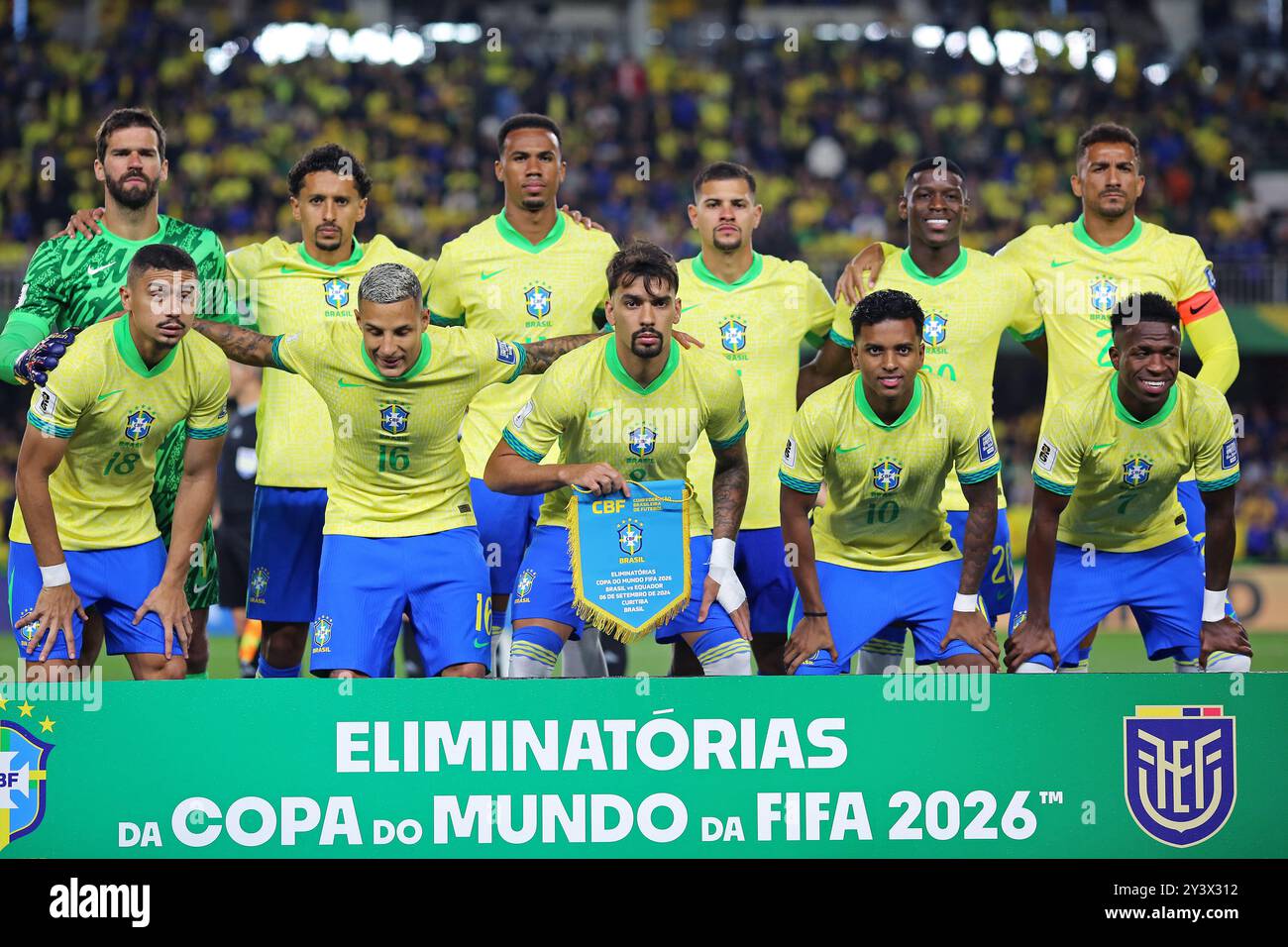
At the heart of the current discussions is the formation of a cohesive starting eleven. Ancelotti, known for his pragmatic approach and ability to manage high-profile talent, is tasked with blending the technical prowess of Brazil’s attacking wingers with a solid defensive structure. Recent training sessions have highlighted a focus on establishing a reliable partnership at the center of the defense, with Marquinhos and Gabriel Magalhães frequently emerging as the preferred duo to anchor the backline. This defensive consistency is vital, especially when competing against the world’s most potent offensive units in a high-stakes tournament format.
In the midfield, the tactical setup often revolves around balancing creative freedom with structural discipline. The integration of Lucas Paquetá in a more advanced, playmaking role has been a point of interest during recent tactical drills. By positioning Paquetá in the “mediapunta” or attacking midfield spot, the coaching staff aims to bridge the gap between the midfield and the forward line, providing the necessary service to a dynamic trident of attackers. This configuration suggests an emphasis on verticality and rapid transition, designed to exploit spaces behind opposing defensive lines.
The Evolving Forward Line
The attacking composition remains perhaps the most debated aspect of the Brazilian setup. The reliance on a mobile and interchangeable forward trio—often featuring Vinícius Júnior and Raphinha—underscores a shift toward high-intensity pressing and individual brilliance. Igor Thiago has also been noted in experimental lineups, reflecting the staff’s desire to test various profiles in the central striking position. This depth allows for tactical flexibility, enabling the team to adjust its approach based on the specific strengths and weaknesses of their opponents.
The role of veteran icons within this framework is similarly being evaluated with a forward-looking perspective. As the team matures under Ancelotti’s guidance, the focus is squarely on maintaining a competitive edge that honors Brazil’s rich footballing heritage while embracing modern, data-driven tactical standards. The Confederação Brasileira de Futebol (CBF) continues to provide updates on the national team’s preparation and official schedule as they finalize their arrangements for the upcoming global event.
Looking Toward the 2026 World Cup
As we move closer to the tournament, the emphasis will shift from experimental drills to solidified match-day strategies. The preparation period is not just about identifying the best eleven players, but about building a squad culture capable of navigating the pressures of a World Cup. For fans and analysts alike, the progression of this team—from tactical rehearsals to the opening whistle—remains the central story of the 2026 cycle.
The logistical framework for the tournament is already well-defined, with host cities across North America preparing to welcome teams from every confederation. According to recent updates from the governing body, the tournament will feature an expanded format, increasing the number of participating nations to 48, a change that significantly alters the competitive landscape and qualification pathways, as confirmed by the official FIFA documentation on the 2026 tournament format.
Key Considerations for the Seleção
- Defensive Stability: The continuity of the Marquinhos and Gabriel Magalhães partnership is viewed as a cornerstone for defensive reliability.
- Tactical Versatility: The use of an attacking trident allows the team to remain unpredictable in the final third.
- Midfield Dynamics: The role of the central playmaker remains critical in maintaining possession and creating scoring opportunities.
As the Brazilian squad continues its intensive training camps, all eyes will be on the upcoming international friendly fixtures, which serve as the final testing ground before the tournament kicks off in June 2026. These matches will offer the most accurate indication of whether the current tactical experiments will translate into success on the world stage. We will continue to monitor the official announcements from the CBF and FIFA regarding squad updates and match schedules as they become available.
What are your thoughts on the current tactical direction of the Brazilian national team? Do you believe this specific configuration will be sufficient to secure a sixth title? Join the conversation in the comments section below and share your analysis on the team’s prospects for the summer of 2026.
Keep reading