
In a strategic move that bridges the gap between traditional banking and the massive cultural influence of professional sports, Banco Mercantil has solidified its presence in the Brazilian market by tapping football legend Roberto Carlos for its latest national campaign. As the financial sector increasingly leans into digital transformation and celebrity-led brand identity, this partnership underscores a broader effort to reach a diverse demographic through the universal language of soccer.
The collaboration, which gained significant traction during the lead-up to the 2022 FIFA World Cup, serves as a prime example of how major financial institutions leverage high-profile athletes to foster trust and brand recognition. For Banco Mercantil, a bank with a deep-rooted history in Brazil’s financial landscape, the association with a World Cup champion is designed to resonate with customers who prioritize reliability and national pride, according to official corporate communications regarding the institution’s recent marketing trajectory.
The Intersection of Finance and Football
The choice of Roberto Carlos—a former Real Madrid star and a key figure in Brazil’s 2002 World Cup-winning squad—is far from incidental. In the competitive world of Brazilian retail banking, where institutions like Banco Mercantil are vying for market share against digital-first neobanks, brand authority is paramount. By aligning with a figure who embodies precision, strength, and longevity, the bank aims to project stability to its growing customer base.
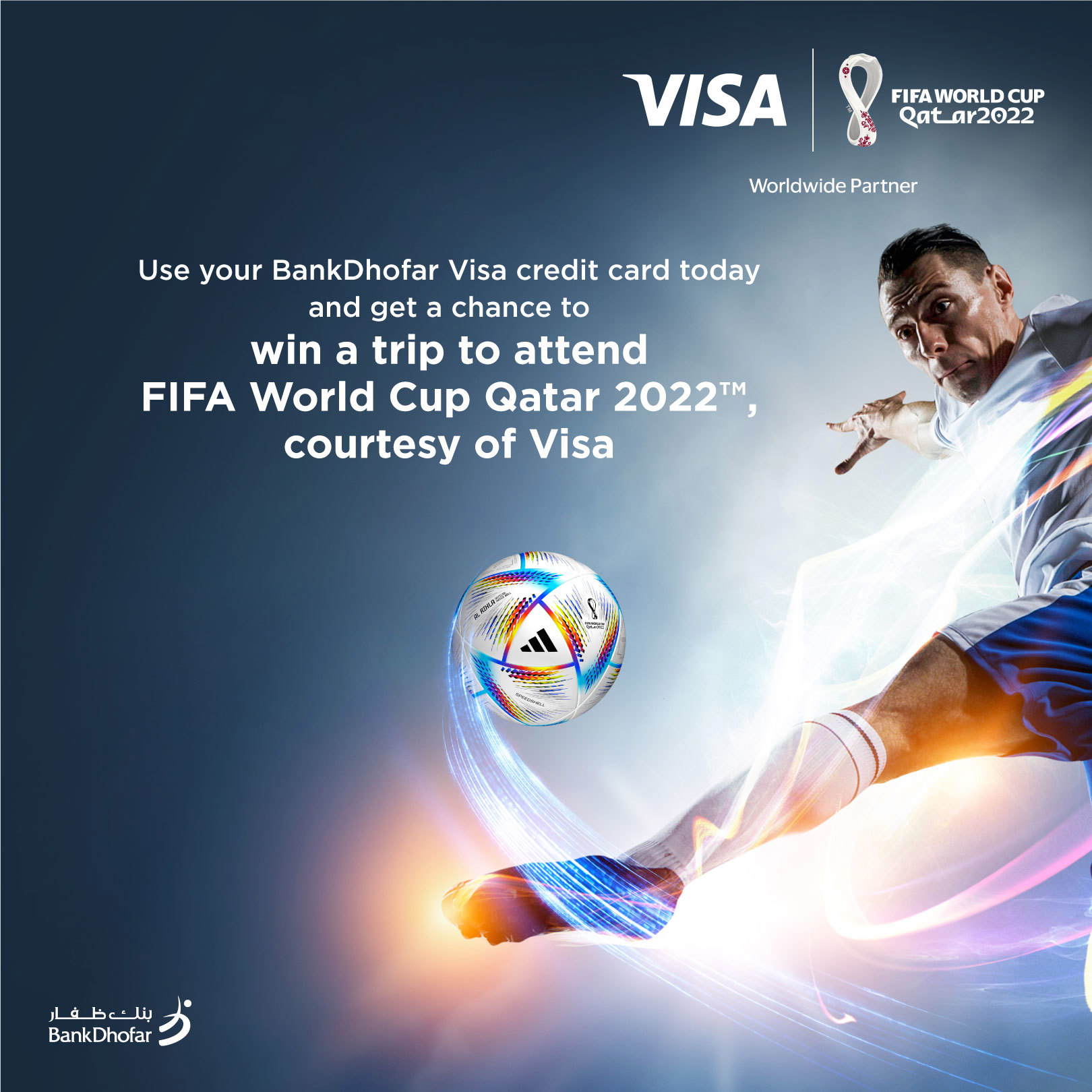
Marketing campaigns featuring iconic athletes have become a staple of Brazilian advertising, particularly during major sporting events. Research from the Meio & Mensagem industry reports highlights that these partnerships are instrumental in humanizing financial services, moving the conversation away from complex technical jargon toward relatable, lifestyle-oriented messaging. The campaign effectively positions the bank not just as a repository for funds, but as a partner in the consumer’s daily life, reflecting a strategic pivot toward customer-centric digital banking.
Strategic Brand Positioning in a Digital Era
As a technology editor, I often observe how legacy institutions navigate the digital divide. Banco Mercantil’s campaign is not merely about a celebrity endorsement; it reflects the bank’s ongoing investment in digital platforms and mobile-first banking solutions. By utilizing the reach of a global sports icon, the bank is signaling its readiness to compete with fintech disruptors that have historically dominated the digital space.

The initiative emphasizes several key areas of the bank’s development, including:
- Digital Accessibility: Streamlining account opening and management via mobile applications.
- Customer Segmentation: Targeted messaging for older demographics and retirees, a core segment for the bank, while simultaneously attracting younger, sports-savvy audiences.
- Brand Trust: Leveraging the “authority” of a sports legend to bolster the bank’s reputation in an era of heightened cybersecurity concerns.
According to data released by the Central Bank of Brazil, the shift toward digital banking in the region has seen an unprecedented acceleration over the last five years, forcing traditional players to modernize their outreach strategies to keep pace with consumer expectations for speed and efficiency.
Why This Partnership Matters
For the consumer, the impact of such campaigns is often felt in the improved quality of digital tools and more personalized banking experiences. When a bank invests in a high-profile national campaign, it often correlates with a broader commitment to infrastructure upgrades, including enhanced app functionality and more robust customer support systems. The collaboration with Roberto Carlos serves as a visual and narrative anchor for these technical improvements, making them more palatable to a global audience that may not be familiar with the intricacies of local banking regulations.
the use of celebrity talent in advertising is a proven method for driving engagement in social media-dominated markets. By creating content that fans want to watch rather than skip, Banco Mercantil has managed to maintain brand visibility in an increasingly saturated digital environment. This is a critical component of modern brand management, where the goal is to integrate financial services into the cultural zeitgeist.
Looking Ahead: The Future of Banking Marketing
As we look toward the next major sporting cycles, the integration of sports marketing and financial technology will only intensify. The success of this campaign provides a blueprint for how other institutions might navigate the challenges of the modern marketplace. For investors and customers alike, the key will be watching how these marketing efforts translate into tangible service improvements—such as lower fees, better digital security protocols, and more intuitive user interfaces.
The next major milestone for the banking sector in Brazil will involve continued compliance with the General Data Protection Law (LGPD), which dictates how customer data is handled in these increasingly digital environments. As banks continue to grow their digital footprint, the balance between aggressive marketing and data privacy will remain the central challenge for leadership teams.
What are your thoughts on the intersection of sports stars and banking? Do you feel these campaigns influence your choice of financial provider, or do you prioritize technical features over brand identity? Share your perspectives in the comments section below, and stay tuned to our Tech section for the latest updates on how digital innovation is reshaping the global financial landscape.
Keep reading