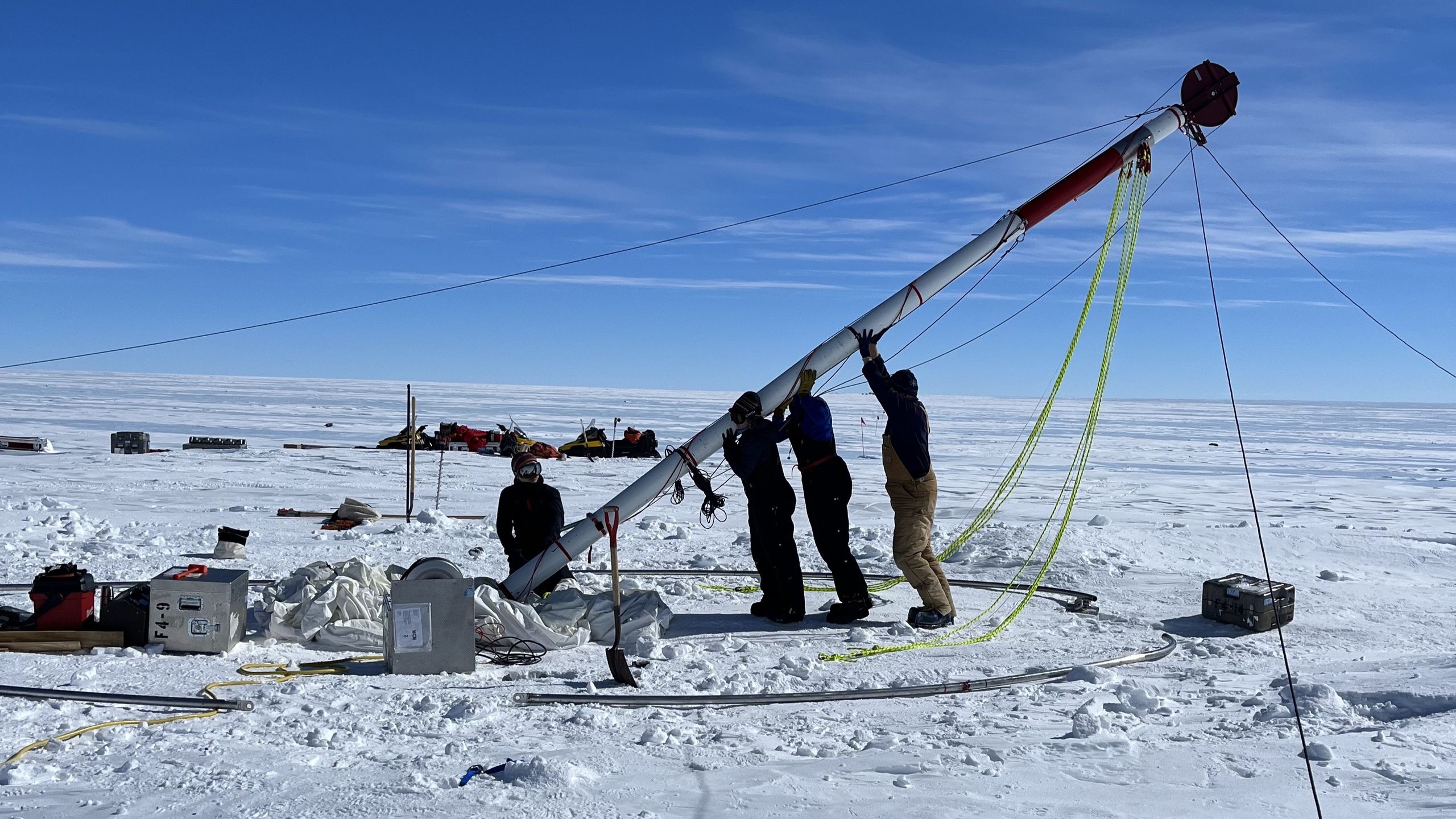
Unearthing Earth’s Ancient Climate History: Antarctic Ice Core reveals Million-Year-old Secrets
A groundbreaking discovery in Antarctica is rewriting our understanding of Earth’s climate past. Scientists have recovered an ice core containing ice estimated to be up to 2.7 million years old – the oldest ice ever directly dated. This remarkable find offers an unprecedented window into greenhouse gas levels and ocean temperatures from a period far beyond the reach of previous ice core studies.
A Deep Dive into the Past
For decades, researchers have relied on ice cores to reconstruct past climates.These frozen time capsules trap tiny bubbles of ancient air, providing a direct measurement of atmospheric composition. Though, older ice is notoriously tough to find, as it tends to melt and mix wiht younger ice over time.
The Allan Hills region of Antarctica proved to be the exception. Unique geological and atmospheric conditions have preserved this incredibly ancient ice, offering a treasure trove of climate data.
What Makes This Ice Core So Special?
This ice core pushes back the timeline of directly dated ice by a significant margin. Previous records typically extended back around 800,000 years. This new discovery allows scientists to investigate climate conditions during the early Pleistocene epoch, a period marked by significant shifts in Earth’s climate.
Hear’s what makes this find so crucial:
* Ancient Greenhouse Gas Levels: You can now analyze the composition of the ancient atmosphere,specifically the concentration of greenhouse gases like carbon dioxide and methane.
* Ocean Temperature Reconstruction: the ice core provides clues about past ocean temperatures, helping to understand the relationship between greenhouse gases and global warming.
* Natural Climate Drivers: By studying this ancient climate data, researchers can better identify the natural forces that have driven climate change throughout Earth’s history.
* context for Modern Warming: Understanding past climate fluctuations provides critical context for evaluating the current, rapid warming trend caused by human activity.
The Allan Hills: A Unique Preservation Site
The Allan Hills region is a polar desert characterized by strong katabatic winds and extremely cold temperatures. These conditions, combined with the area’s unique topography, have created a natural “preservation chamber” for ancient ice.
The ice remains remarkably stable due to:
* Minimal Snow Accumulation: Strong winds scour away fresh snowfall, preventing the ice from being buried and compressed.
* Slow Ice Movement: The frigid temperatures significantly slow down the flow of ice, preserving its layered structure.
* Mountainous Terrain: Rugged mountains help to shield the ice from melting and mixing.
Implications for Our Future
While Antarctica has experienced periods of cooling over recent millennia, the current rate of global warming is unprecedented. Human activities are rapidly increasing global temperatures by releasing significant amounts of greenhouse gases into the atmosphere.
This ancient ice core provides a baseline for understanding natural climate variability. It allows scientists to distinguish between natural fluctuations and the impact of human-caused climate change with greater accuracy.
Ultimately, this discovery underscores the urgency of addressing climate change. By learning from the past, you can better prepare for the challenges of the future and work towards a more lasting planet.
This research represents a significant leap forward in our understanding of Earth’s climate history. It’s a testament to the power of scientific exploration and the importance of preserving these invaluable natural archives.
Keep reading