ancient Owl Pellet Reveals Unexpected bee Nesting Site – and a Fossil Rescue Mission
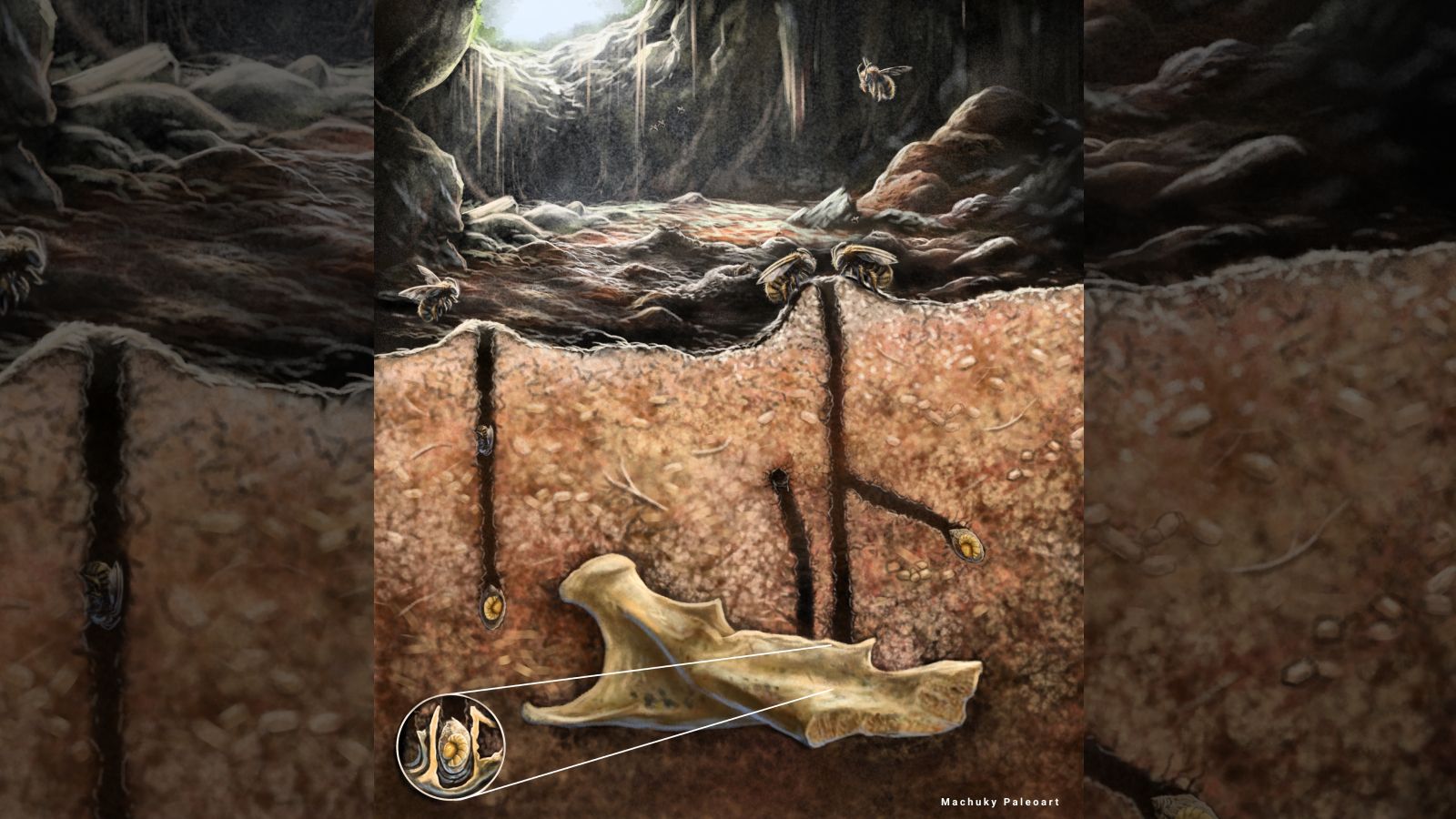
Paleontologists have unearthed a remarkable finding in a Cuban cave: fossilized bee nests built inside the bones of extinct owls. This unique find offers a fascinating glimpse into prehistoric ecosystems and highlights the importance of paleontological rescue efforts. Let’s explore how these ancient owl pellets became a haven for generations of bees, and what this tells us about the past.
A Prehistoric Food Cache Turned Bee Habitat
The story begins with giant, now-extinct owls that once inhabited Cuba. Researchers posit these owls actively hunted hutias – large, rodent-like mammals – and brought their prey back to a cave system.Evidence suggests the owls didn’t always consume their meals entirely.
Instead, they sometimes deposited whole hutias, leaving behind accumulating bones. Other times, they regurgitated pellets containing hutia remains after a hunt. Barn owl bones found within the cave confirm the presence of these avian predators.
Over time, these bone piles became buried under layers of sediment washed into the cave.But the story doesn’t end there.
Bees take Advantage of a Unique Chance
Centuries later, burrowing bees discovered this unusual resource.Surprisingly, these bees – typically preferring open ground for nesting - chose the fossilized bones as their home.
Researchers found up to six successive bee nests within a single tooth cavity, indicating multiple generations utilized the same spot after previous colonies had moved on. This is the first documented instance of fossil bee nests found inside fossil bones.
Why the Bones? A Landscape Lacking Suitable Nesting Sites
So, why did the bees deviate from their usual nesting habits? The surrounding landscape likely played a crucial role.
According to Mitchell Riegler, a teaching assistant at the University of florida and study co-author, the area is characterized by karst topography – sharp, jagged limestone with very little soil. “The area we were collecting in is karst, so it’s made of sharp, edgy limestone, and it’s lost all of its natural soils,” Riegler explained in a statement.Essentially, the bees had limited options for burrowing elsewhere.
A Last-minute Fossil Rescue
The discovery was made even more urgent by a looming threat. Shortly after the scientists’ final visit to the cave,plans were submitted to convert the site into a septic storage facility.
This prompted a rapid “rescue mission” led by Lazaro Viñola Lopez, a paleobiologist at the Field Museum of Natural History in Chicago. “We had to go on a rescue mission and get as many fossils out as possible,” Lopez stated.
Fortunately, the septic tank plans were eventually abandoned. However, the team had already recovered a wealth of fossils, which are now undergoing further analysis.
What’s Next? Unlocking More Secrets of the Past
The initial findings are compelling, but this is just the beginning. The team plans to publish additional studies detailing their discoveries.
These fossils promise to reveal even more about Cuba’s prehistoric ecosystems,the interactions between extinct species,and the surprising ways life adapts to changing environments.
Key Takeaways:
* Unique Nesting Site: This is the first documented case of fossil bee nests found within fossil bones.
* Environmental Influence: The bees likely chose the bones due to a lack of suitable nesting sites in the surrounding karst landscape.
* Paleontological Rescue: The discovery was expedited by a timely rescue mission to save fossils from potential destruction.
* Ongoing Research: Further analysis of the recovered fossils is expected to yield even more insights into Cuba’s prehistoric past.
Resources:
* University of Florida – Mitchell Riegler
* Field Museum – Paleontologists find first fossil bee nests made inside fossil bones
Related reading