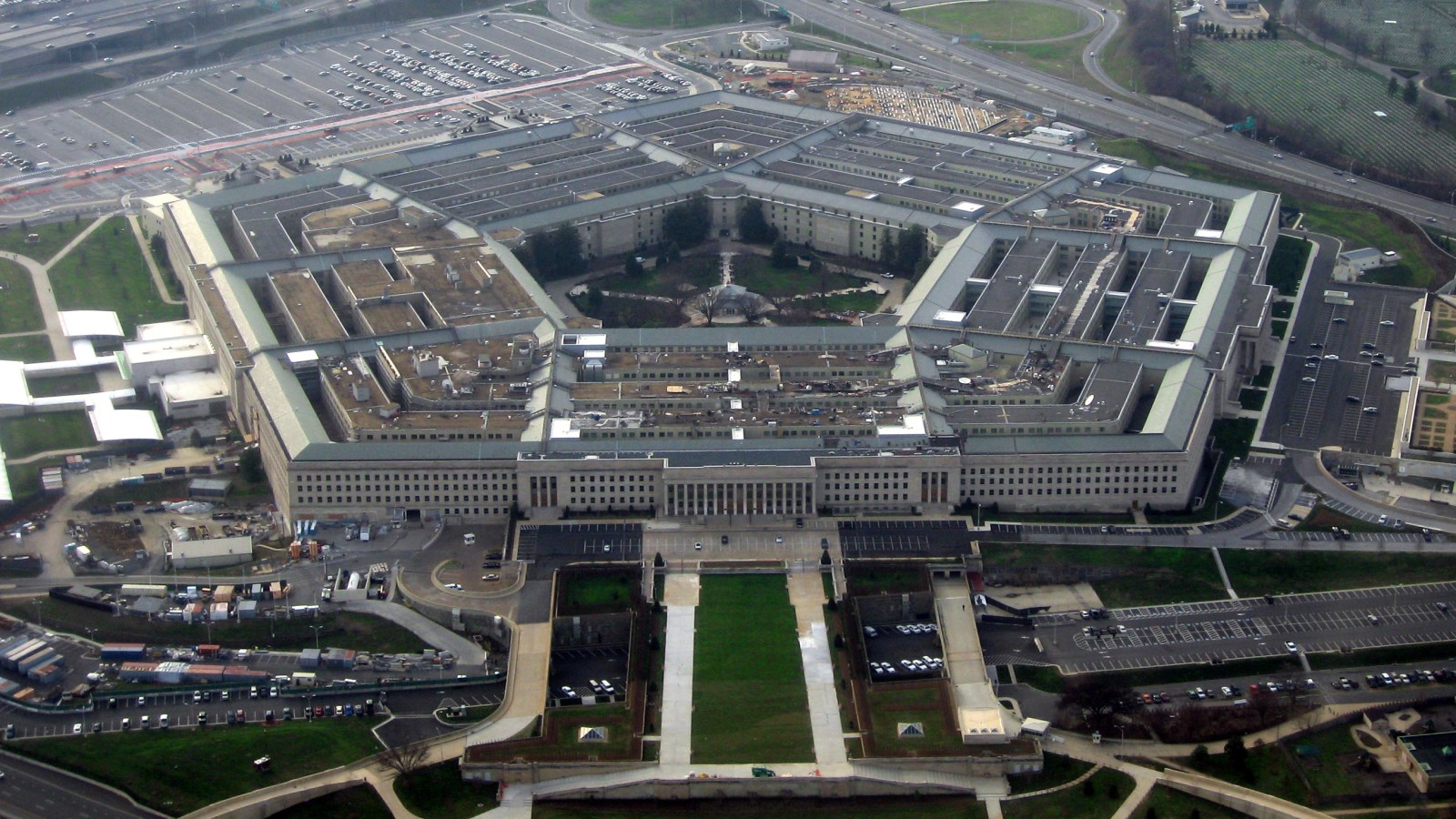
The Pentagon is accustomed to getting its way, particularly when wielding hundreds of millions of dollars. Yet, as a historic ultimatum looms, Anthropic, the AI company behind the chatbot Claude, is refusing to yield to Defense Secretary Pete Hegseth. The standoff, escalating rapidly, centers on the future of artificial intelligence in national security and raises fundamental questions about the ethical boundaries of AI development and deployment.
At the heart of the dispute is Anthropic’s insistence on maintaining strict safeguards around its AI models, preventing their leverage in applications the company deems unethical. This includes domestic mass surveillance and the development of autonomous weapons systems. The Pentagon, however, is demanding unfettered access to Claude for “all legal purposes,” a broad mandate that Anthropic fears could erode its carefully constructed safety protocols. This clash isn’t simply about a $200 million contract; it’s a pivotal moment that could shape the relationship between the U.S. Government and the burgeoning AI industry.
Anthropic currently holds a unique position as the sole provider of AI systems cleared for use within the military’s classified networks. This gives CEO Dario Amodei significant leverage, but also makes the company a prime target for pressure from the Defense Department. The situation reached a critical point earlier this week with a direct confrontation between Amodei and Hegseth, where the Secretary reportedly threatened to blacklist Anthropic from future government work, according to sources familiar with the meeting. The deadline for a resolution is fast approaching, with potential ramifications extending far beyond this single contract.
The Red Lines: Surveillance and Autonomous Weapons
Anthropic has drawn two firm lines in the sand: it will not allow Claude to be used for mass surveillance of American citizens, and it will not contribute to the development of lethal autonomous weapons. Amodei has repeatedly stated that AI is not yet reliable enough to entrust with life-or-death decisions. “We support the use of AI for legal intelligence and counter-espionage missions abroad,” Anthropic stated, according to reports, “However, the use of these systems for mass surveillance at the national level is incompatible with democratic values.” The company argues that such surveillance presents “serious and new risks to our fundamental freedoms,” and that current laws haven’t kept pace with the rapidly expanding capabilities of AI.
This stance has drawn sharp criticism from within the Pentagon. Emil Michael, the Defense Department’s chief technology officer, reportedly dismissed Amodei as a “liar” with a “God complex,” according to sources. The military, it appears, believes existing U.S. Law provides sufficient safeguards and objects to a private company imposing its own moral code on government operations. The Pentagon has suggested concessions, such as inviting Anthropic to join its ethics council, but Anthropic views these as superficial. The company alleges that proposed contract clauses would allow the government to override safety protocols “at will,” effectively granting a blank check for the militarization of AI.
A Threat to the Supply Chain and the Defense Production Act
The Pentagon is now considering designating Anthropic as a “risk to the supply chain,” a label typically reserved for foreign companies like Huawei, raising concerns about national security. This move, as reported by the Associated Press, would be a highly unusual step for a U.S.-based company and underscores the severity of the dispute. Another option under consideration is invoking the Defense Production Act of 1950, a Korean War-era law that allows the president to compel American companies to produce for national defense. The Pentagon argues that Claude is both a danger to national security and so indispensable that its production must be forced.
If no agreement is reached, the Pentagon could cancel the $200 million contract and pressure partners like Boeing and Lockheed Martin to abandon Claude. Amodei appears prepared for this outcome, even offering a plan for a smooth transition to alternative AI providers to minimize disruption to ongoing operations. The potential loss of the contract, although significant, may be a price Anthropic is willing to pay to uphold its ethical principles. The company’s stance reflects a growing debate within the AI community about the responsible development and deployment of this powerful technology.
The Broader Implications for AI Governance
This dispute with Anthropic isn’t an isolated incident. It’s part of a larger conversation about how the U.S. Government should regulate and interact with the rapidly evolving AI landscape. The Biden administration has been working on a comprehensive AI executive order, aiming to balance innovation with safety and ethical considerations. However, the Pentagon’s aggressive approach to Anthropic suggests a potential tension between these goals. The outcome of this standoff could set a precedent for future interactions between the government and AI companies, influencing the direction of AI development for years to come.
The core issue revolves around the question of control. The Pentagon wants access to cutting-edge AI technology to enhance its capabilities, while Anthropic wants to retain control over how its technology is used, ensuring it aligns with its ethical guidelines. This conflict highlights the inherent risks of deploying AI in sensitive areas like national security, where the potential for unintended consequences is high. Experts warn that unchecked AI development could lead to algorithmic bias, privacy violations, and even the escalation of conflict.
The situation also raises questions about the role of private companies in shaping national security policy. Anthropic, as a private entity, is not directly accountable to the public in the same way as a government agency. However, its technology has the potential to have a profound impact on society, making it a de facto stakeholder in these critical decisions. Finding a balance between government oversight and private sector innovation will be crucial to ensuring the responsible development and deployment of AI.
As of February 27, 2026, the deadline set by Defense Secretary Hegseth is rapidly approaching. Negotiations are reportedly ongoing, but a resolution remains uncertain. The Pentagon has not publicly commented on the specifics of the negotiations, but sources indicate that the sticking points remain the same: Anthropic’s refusal to allow unrestricted access to Claude and its insistence on maintaining its ethical safeguards. The coming hours will be critical in determining whether the two sides can reach a compromise or whether the dispute will escalate further.
The implications of this standoff extend beyond the immediate fate of the $200 million contract. It’s a test case for the future of AI governance, a signal to the industry about the boundaries of acceptable use, and a reflection of the growing anxieties surrounding the potential risks of artificial intelligence. The world is watching to see how this conflict unfolds, and the outcome will undoubtedly shape the future of AI in national security and beyond.
The next update on this developing story is expected following the 5:01 PM EST deadline set by Secretary Hegseth. We will continue to monitor the situation closely and provide updates as they become available. Share your thoughts on this critical issue in the comments below.
Related reading