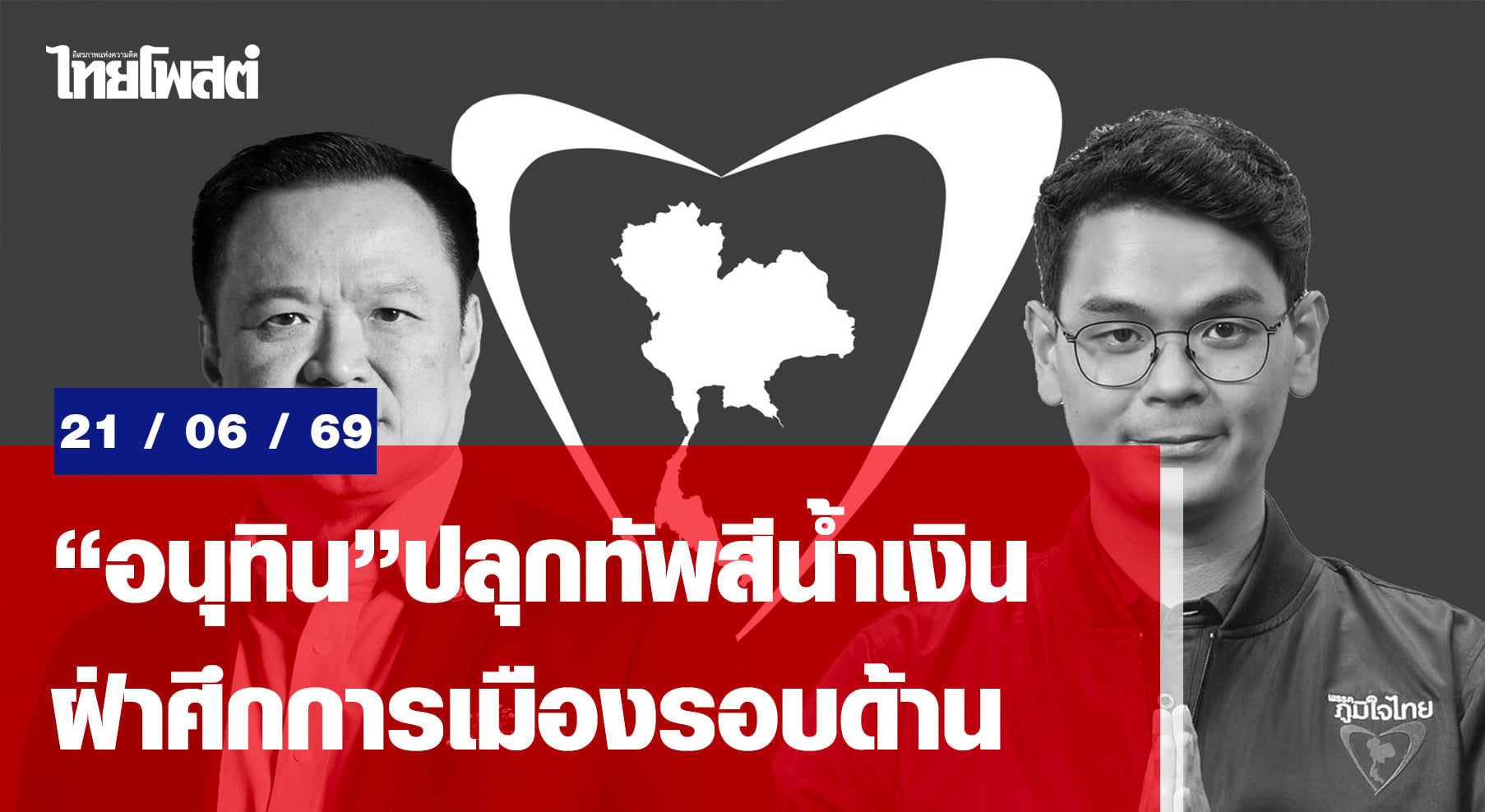
Deputy Prime Minister and Minister of Interior Anutin Charnvirakul, the leader of the Bhumjaithai Party, has publicly dismissed speculation regarding an immediate cabinet reshuffle, emphasizing that his party’s focus remains on performance metrics rather than political maneuvering. Amidst reports of internal and external pressure on the “Blue Army”—a common moniker for the Bhumjaithai Party—Anutin has asserted that his ministers are evaluated based on their ability to deliver public services, describing his internal oversight as an “API” (Application Programming Interface) model rather than a traditional Key Performance Indicator (KPI) framework.
The political climate in Thailand remains fluid, with analysts closely monitoring the coalition government’s stability. While media reports have suggested potential friction within the administration, particularly involving the Ministry of Digital Economy and Society, Anutin has maintained a consistent public stance of unity. According to reports from the Royal Thai Government, the administration continues to prioritize the digital transformation agenda, which falls under the purview of the Ministry of Digital Economy and Society, despite the ongoing public discourse regarding its leadership.
Evaluating the “API” Strategy Over Traditional KPIs
Anutin’s recent comments regarding his party’s management style suggest a pivot away from standard administrative metrics. By framing his oversight as an “API,” he implies a focus on integration and functionality between government departments rather than the rigid, often bureaucratic, evaluation processes typically associated with ministerial roles. This shift comes at a time when the Bhumjaithai Party faces heightened scrutiny regarding its role within the coalition, especially following the recent leadership changes within the party structure, including the elevation of Chaiyachon Chidchob.
The minister has explicitly stated that he maintains daily communication with key party figures to ensure alignment on policy initiatives. This high level of internal coordination is seen by political observers as a mechanism to shield the party from external criticism and “political storms” that often characterize multi-party coalition governments in Thailand. The National Assembly of Thailand serves as the primary forum where these policy directions are debated, and the Bhumjaithai Party continues to hold significant leverage in legislative proceedings.
Addressing Coalition Tensions and Cabinet Speculation
Speculation concerning a cabinet reshuffle has surfaced periodically in local media, often linked to the performance of specific ministries. However, Anutin has consistently downplayed these reports, stating that the current cabinet remains functional and that no immediate changes are necessary. This stance is consistent with the broader strategy of the ruling coalition to maintain a facade of stability, even as individual parties navigate internal pressures.

The focus remains on the government’s “Digital Government” initiatives, which are central to the current administration’s platform. According to the Ministry of Digital Economy and Society, the government is committed to expanding digital infrastructure nationwide, a project that requires sustained political backing. Any disruption in the cabinet could potentially derail these long-term infrastructure projects, which the government views as essential for economic recovery.
The Role of the Bhumjaithai Party in the Current Administration
As the second-largest party in the coalition, the Bhumjaithai Party plays a critical role in the government’s survival. The party’s influence is felt across several key sectors, including public health, transportation, and interior administration. Anutin’s leadership style has been characterized by a pragmatic approach to coalition politics, often prioritizing the continuity of ministerial projects over ideological confrontation.

Observers note that the “Blue Army” has successfully maintained its bloc despite significant challenges from both the opposition and competing coalition partners. The emphasis on “doing what is beneficial to the people” serves as a recurring rhetorical anchor for the party, intended to resonate with the electorate even when political tensions rise behind closed doors.
Future Outlook and Public Accountability
Looking ahead, the government is expected to face further pressure during the upcoming parliamentary budget sessions. The ability of the Bhumjaithai Party to maintain its current trajectory will depend heavily on its performance in key ministries and its ability to manage internal party dynamics. As of the latest updates from official government channels, there are no scheduled sessions for a major cabinet overhaul, and the focus remains on the implementation of the 2025 fiscal budget, which is currently undergoing review by the Bureau of the Budget.
Readers interested in the latest developments regarding ministerial performance and government policy are encouraged to monitor official press releases from the Government House of Thailand. We welcome your thoughts on the current political landscape—please share this article or leave a comment below to join the conversation on Thailand’s evolving political future.