
As the world observes the final stages of a historic journey, the Artemis II crew is currently racing toward the moon’s embrace. Following a reflective Easter Sunday spent in the silence of deep space, the astronauts are now positioned for their most critical milestone: the Artemis II lunar flyby.
The mission reached a poignant emotional peak on Sunday, April 5, 2026, as the crew paused to observe Easter. Amidst the celebration of love and unity, the astronauts received a surprise communication that bridged two eras of human exploration, linking the pioneering spirit of the 1970s with the modern ambitions of the NASA Artemis program.
Scheduled for today, Monday, April 6, the crew will make their closest approach to the lunar surface. This maneuver will take them around the far side of the moon, offering a perspective of the lunar landscape that differs significantly from those captured during the mid-century Apollo missions.
A Legacy Reconnected: Charlie Duke’s Message to the Crew
Shortly after waking on Easter Sunday, the Artemis II astronauts—Reid, Victor, Christina and Jeremy—heard a voice that was not from Mission Control. In a moving exchange, Apollo 16 astronaut Charlie Duke contacted the crew to offer words of encouragement and a reminder of the enduring Apollo legacy.
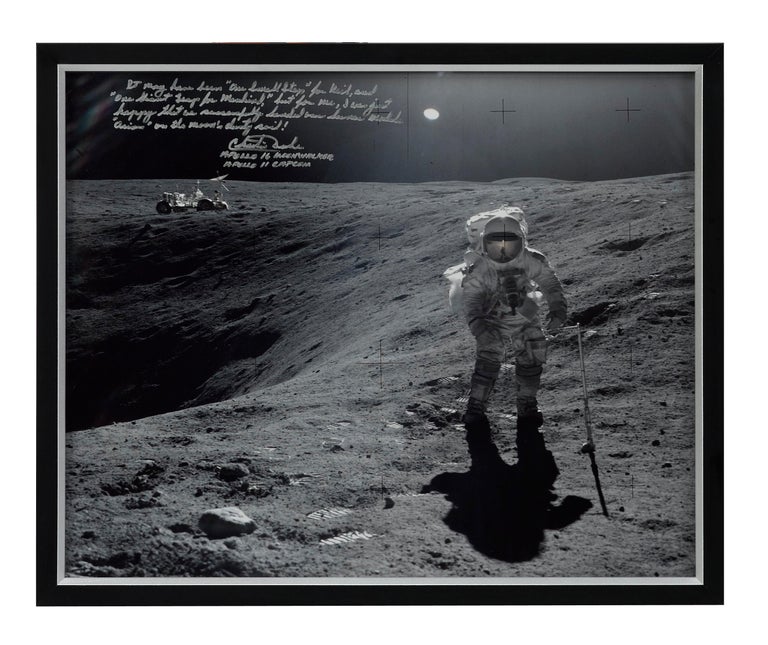
Duke, who landed on the moon in April 1972 alongside John Young, highlighted a symbolic connection between the missions. He noted that the lunar module he and Young utilized during the Apollo 16 mission was named “Orion,” a name that now defines the spacecraft currently carrying the Artemis II crew back toward the lunar vicinity. “I’m glad to see a different kind of Orion helping return humans to the moon as America charts the course to the lunar surface,” Duke told the crew, according to reports from MSN.
In a deeply personal gesture, Duke reminded the astronauts of a family photograph he left behind on the lunar surface decades ago. He expressed his hope that the image would serve as a reminder that the world is cheering on the current crew. Duke concluded his message by wishing the crew “Godspeed and safe travels home.”
Celebrating Milestones Amidst the Void
The Easter celebrations in space were not limited to the call from the Apollo era. The mission as well marked a significant personal and professional milestone for Canadian Space Agency astronaut Jeremy Hansen. While in flight, Hansen was presented with his astronaut wings, marking his first voyage into space.
The crew utilized the holiday to share messages of love and unity with people on Earth, emphasizing the global nature of the mission. The atmosphere aboard the spacecraft combined the rigorous demands of a lunar transit with a sense of shared human connection, as the astronauts honored Hansen’s first-time flight and reflected on the unity of the global community watching their progress.
The Final Approach: What to Expect on April 6
The focus now shifts entirely to the technical execution of the Artemis II lunar flyby. On Monday, April 6, 2026, the crew is scheduled to make their closest approach to the moon as they swing around the lunar far side. This trajectory is designed to test the spacecraft’s capabilities and provide the crew with unprecedented views of the moon.
One of the most scientifically and visually intriguing aspects of this approach is the lighting. Due to current lighting conditions, the crew will be able to see areas of the moon that were shrouded in darkness during the original Apollo missions. This provides a unique opportunity for the crew to observe the lunar terrain from a vantage point that was previously inaccessible to human eyes during the 20th-century moon landings.
Key Mission Highlights
- Historic Connection: Apollo 16 astronaut Charlie Duke contacted the crew on April 5, linking the original “Orion” lunar module to the modern Orion spacecraft.
- Personnel Milestone: Canadian Space Agency astronaut Jeremy Hansen received his astronaut wings during the flight.
- Critical Timeline: The closest approach to the moon is scheduled for Monday, April 6, 2026.
- Unique Perspective: The crew will observe lunar views that were in darkness during the Apollo era.
As the Artemis II crew prepares for the intensity of the lunar swing-by, the mission continues to serve as a bridge between the achievements of the past and the future of permanent lunar habitation. The successful execution of today’s closest approach will be a vital step in confirming the safety and precision of the Artemis program’s trajectory.
The next confirmed checkpoint for the mission is the completion of the lunar far-side swing-by and the subsequent initiation of the return trajectory toward Earth. Official updates are expected to follow the crew’s closest approach.
Do you believe the Artemis missions will lead to a permanent human presence on the moon? Share your thoughts in the comments below.