
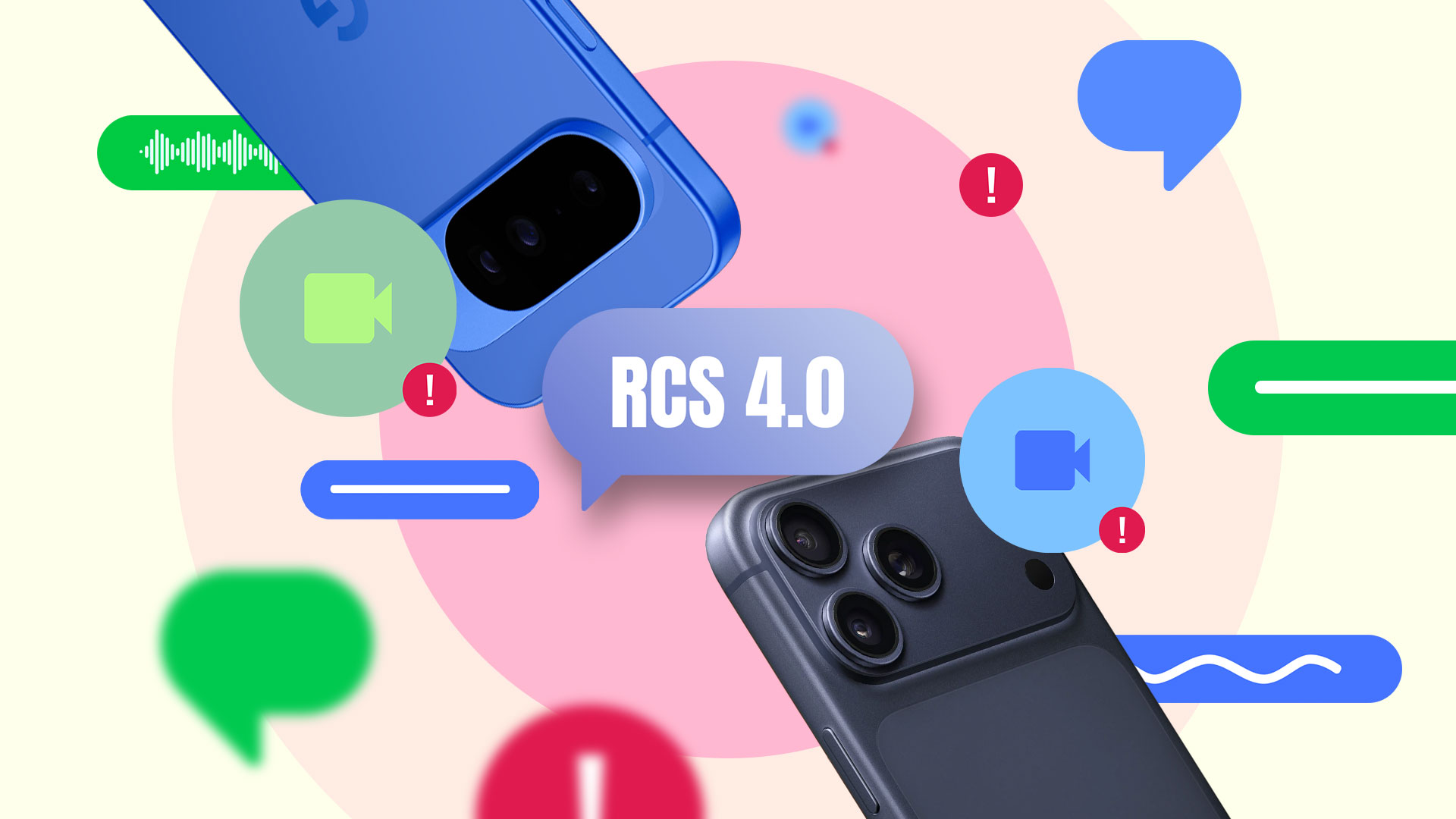
San Francisco, May 13, 2026 — After years of industry collaboration and regulatory pressure, cross-platform messaging between iPhone and Android users has taken a major security leap forward. Starting today, Google and Apple are rolling out end-to-end encrypted Rich Communication Services (RCS) messaging by default, finally addressing one of the most persistent privacy gaps in modern mobile communications.
This development resolves a longstanding limitation where iMessage users could only communicate securely with other Apple devices, while Android users faced unencrypted SMS/RCS when messaging iPhones. The new encryption standard, which has been in development for nearly two years, represents the first time Apple has enabled cross-platform encryption for its messaging ecosystem.
For tech users, this means that chats between iPhone and Android devices will now receive the same level of protection as WhatsApp or Signal messages—unreadable to carriers, governments, or hackers during transmission. The rollout comes as cybersecurity concerns about SMS vulnerabilities have intensified, with law enforcement agencies previously warning about the risks of unencrypted cross-platform texting.
What Changes with the New RCS Encryption?
The upgrade introduces several key improvements:

- Default encryption: All new and existing RCS conversations will automatically enable end-to-end encryption when both participants use supported devices and carriers.
- Visual indicators: Users will see the familiar lock icon in Google Messages, identical to the one used for encrypted RCS chats between Android devices.
- Cross-platform compatibility: The encryption works seamlessly between iOS 26.5 (released May 11, 2026) and the latest version of Google Messages on Android.
Essential note: While this represents a significant security advancement, Apple has explicitly stated that the feature “is not available to all” users. The limitation affects both device compatibility and carrier support. Older iPhone models and carriers that haven’t adopted the new RCS standard will continue to use unencrypted messaging for cross-platform chats.
Technical Implementation and Industry Collaboration
The encryption implementation follows the same protocols used in Apple’s iMessage ecosystem and Google’s existing end-to-end encrypted RCS for Android-to-Android conversations. What makes this different is the cross-platform nature—Apple has historically kept its messaging ecosystem walled off from other platforms, but this collaboration represents a major shift in their approach.
Elmar Weber, Google’s GM for Android and Business Communications, emphasized in a company blog post that “we couldn’t stop at Android-only encryption” and that this cross-industry effort “makes the cross-platform messaging format that replaces traditional SMS more secure and private.”
The technical foundation for this upgrade was laid by the Joint Placement Service (JPS) protocol developed by Google and Apple, which enables secure key exchange between different device ecosystems without requiring a central server to decrypt messages.
Security Implications and User Considerations
From a security perspective, this upgrade addresses several critical vulnerabilities:
- Carrier interception: Traditional SMS messages pass through multiple carrier networks where they can be intercepted or logged. The new encrypted RCS prevents this.
- Government surveillance: While lawful access requests remain possible under certain legal frameworks, the encryption makes mass surveillance of cross-platform messages significantly more difficult.
- Man-in-the-middle attacks: The end-to-end encryption protects against interception attempts during transmission.
However, users should be aware of several important limitations:
- The encryption only applies to RCS messages, not traditional SMS. Users must ensure both parties are using RCS (which requires iOS 26.5 or later and a supported carrier).
- Apple’s statement that this “is not available to all” suggests some users may experience degraded functionality or fall back to unencrypted messaging.
- Carrier support remains a critical factor—users on unsupported carriers may not receive the encryption automatically.
What This Means for Different User Groups
For iPhone users: This represents Apple’s first major concession to cross-platform interoperability. While iMessage remains the gold standard for Apple users, the new RCS encryption provides a secure alternative when communicating with Android users who prefer Google Messages.
For Android users: The encryption extends the security benefits they’ve already enjoyed in Android-to-Android RCS chats to cross-platform conversations. Google Messages users will see the same lock icon indicating encrypted chats with iPhone users.
For businesses and enterprises: Companies that rely on secure cross-platform communication will benefit from this upgrade, particularly those with mixed iOS/Android workforces. However, IT administrators should verify carrier support and device compatibility across their organization.
For privacy advocates: While this is a significant step forward, some may argue that the “not available to all” limitation undermines the universal privacy benefits. The fact that encryption can be disabled for certain users creates potential security inconsistencies.
Looking Ahead: What’s Next for Messaging Security?
This rollout marks just one step in the ongoing evolution of messaging security. Several key developments are likely on the horizon:
- Wider carrier adoption: As more carriers update their infrastructure to support encrypted RCS, the percentage of users receiving this protection will increase.
- Potential regulatory changes: Some governments may respond to this development by proposing new laws regarding lawful access to encrypted communications.
- Additional platform support: Microsoft and other messaging providers may follow suit by implementing similar cross-platform encryption standards.
- User education: Both Apple and Google will need to invest in educating users about the new security features and how to verify their status.
Apple has not yet announced a timeline for when the feature will be fully available to all supported users, but the initial beta rollout suggests this will be a gradual process. Google has indicated that encryption will be automatically enabled “over time” for new and existing RCS conversations.
How to Verify Your Messaging Security
Users who want to confirm whether their cross-platform conversations are encrypted can:

- Look for the lock icon in Google Messages conversations with iPhone users
- Check that both participants are using iOS 26.5 or later and the latest version of Google Messages
- Verify with their carrier that encrypted RCS is supported on their plan
- For maximum security, consider using dedicated encrypted messaging apps for sensitive communications
Key Takeaways
- The new end-to-end encrypted RCS messaging is now rolling out to iPhone and Android users, marking a major security upgrade for cross-platform texting.
- Encryption is enabled by default but may not be available to all users due to device and carrier limitations.
- Users will see a lock icon in Google Messages indicating encrypted cross-platform conversations.
- This represents the first time Apple has enabled cross-platform encryption for its messaging ecosystem.
- While significant, the upgrade doesn’t eliminate all security risks—users should remain vigilant about verifying encryption status.
The next major checkpoint will be the completion of carrier infrastructure updates, which could take several months. Apple and Google have not yet provided specific timelines for full availability, but users are encouraged to check for software updates and carrier notifications regarding this new security feature.
This development underscores the growing importance of encryption in our digital communications. As messaging platforms continue to evolve, users will need to stay informed about both the security features available to them and their limitations.
What are your experiences with the new encrypted RCS messaging? Have you noticed any changes in your conversations? Share your thoughts in the comments below.