
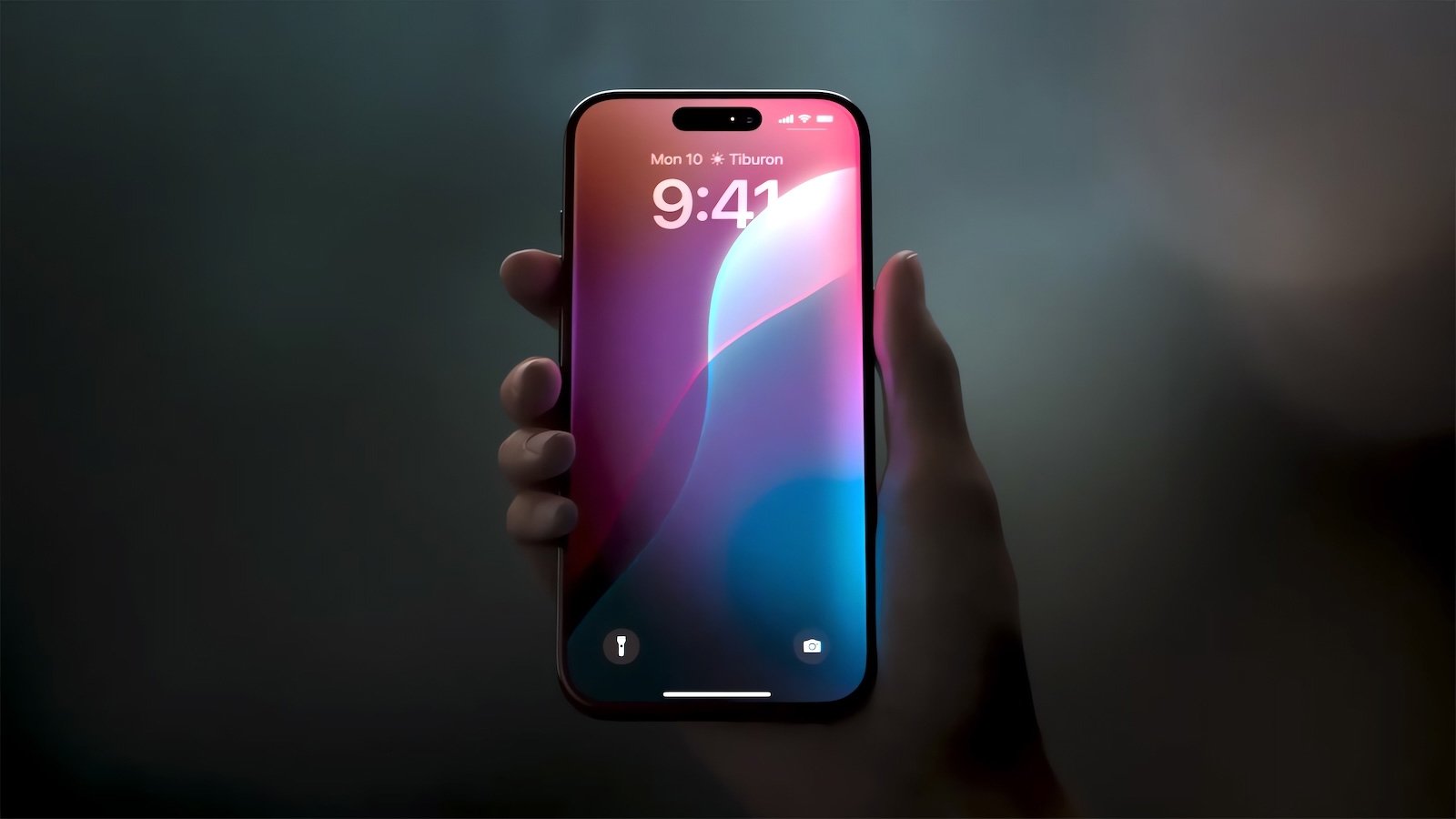
Apple has issued emergency security updates for iPhone and iPad devices to address a critical vulnerability in the Notification Services framework that could allow deleted notifications to remain stored on devices. The flaw, identified in Apple’s internal security audits, pertains to how the system handles notification data marked for deletion, potentially leaving residual traces accessible through certain system processes. Although Apple has not disclosed whether the vulnerability was actively exploited in the wild, the company classified the update as urgent due to the potential privacy implications for users who rely on notification history management for sensitive communications.
The out-of-band patches, released outside Apple’s regular software update cycle, are available for devices running iOS 17.4 and iPadOS 17.4 or later. Users are advised to update immediately via Settings > General > Software Update to mitigate the risk. Apple’s security advisory notes that the fix improves the handling of notification lifecycle events, ensuring that when a notification is dismissed or cleared by the user or an app, associated data is fully purged from temporary storage buffers and caches. The update does not require a device restart and applies to all supported iPhone and iPad models capable of running the specified OS versions.
Notification Services is a core component of Apple’s operating system responsible for managing how alerts from apps are delivered, displayed, and stored. When a notification is received, the system temporarily holds metadata such as sender identity, timestamp, and content preview to enable features like notification grouping, history review, and cross-device sync via iCloud. Under normal circumstances, this data is deleted when the user swipes away a notification or when an app explicitly removes it. But, the flaw disrupted this deletion pathway under specific conditions, potentially allowing remnants of notification data to persist in memory or disk caches longer than intended.
Security researchers note that while the vulnerability does not grant direct remote code execution or bypass device passcodes, it could theoretically allow a malicious app with local access to retrieve remnants of notification data that users believed were erased. This concern is particularly relevant in environments where device sharing occurs or where devices are temporarily relinquished for repair or inspection. Apple emphasized that exploiting the flaw would require significant access to the device’s file system and is unlikely to be achievable through remote means alone.
The company has not disclosed the specific CVE identifier associated with this issue at the time of update release, though such details are typically published in Apple’s security support documentation within 24 to 48 hours of a patch release. Apple’s approach to out-of-band updates is reserved for vulnerabilities deemed to pose an immediate risk, distinguishing them from the monthly security updates bundled with regular iOS and iPadOS releases. Past examples include fixes for zero-day vulnerabilities actively exploited in attacks targeting journalists and activists.
For users seeking to verify their device’s update status, Apple recommends checking the Software Update section in Settings, where the version number will reflect the latest security build. The update is delivered over-the-air and does not require connection to a computer or iTunes. Apple also reminds users that enabling automatic updates under Settings > General > Software Update > Automatic Updates ensures timely receipt of future security patches without manual intervention.
As mobile devices continue to store increasing amounts of personal and professional data, the integrity of background systems like Notification Services remains critical to overall platform security. Apple’s swift response underscores its ongoing commitment to addressing privacy-related flaws, even when they do not involve traditional attack vectors like malware or network intrusion. Users are encouraged to stay informed through Apple’s official security channels and to apply updates promptly as they become available.
This update applies to all iPhone models from the iPhone 8 onward and all iPad models including the iPad Air (3rd generation and later), iPad mini (5th generation and later), iPad (5th generation and later), and all iPad Pro models. Devices running older versions of iOS or iPadOS are not eligible for this specific patch and are advised to upgrade to a supported version if possible to maintain security coverage.
Apple has not announced any planned changes to its notification handling architecture beyond this fix, though the company routinely reviews system components for privacy and security improvements as part of its ongoing software hardening efforts. The incident highlights the importance of robust data lifecycle management in modern operating systems, where even seemingly transient data like notifications must be handled with strict adherence to deletion protocols to preserve user trust.
For further information, users can consult Apple’s official security update page, which is updated regularly with details on newly released patches and their associated protections. The company maintains a public archive of security advisories dating back over a decade, providing transparency into its vulnerability response process.