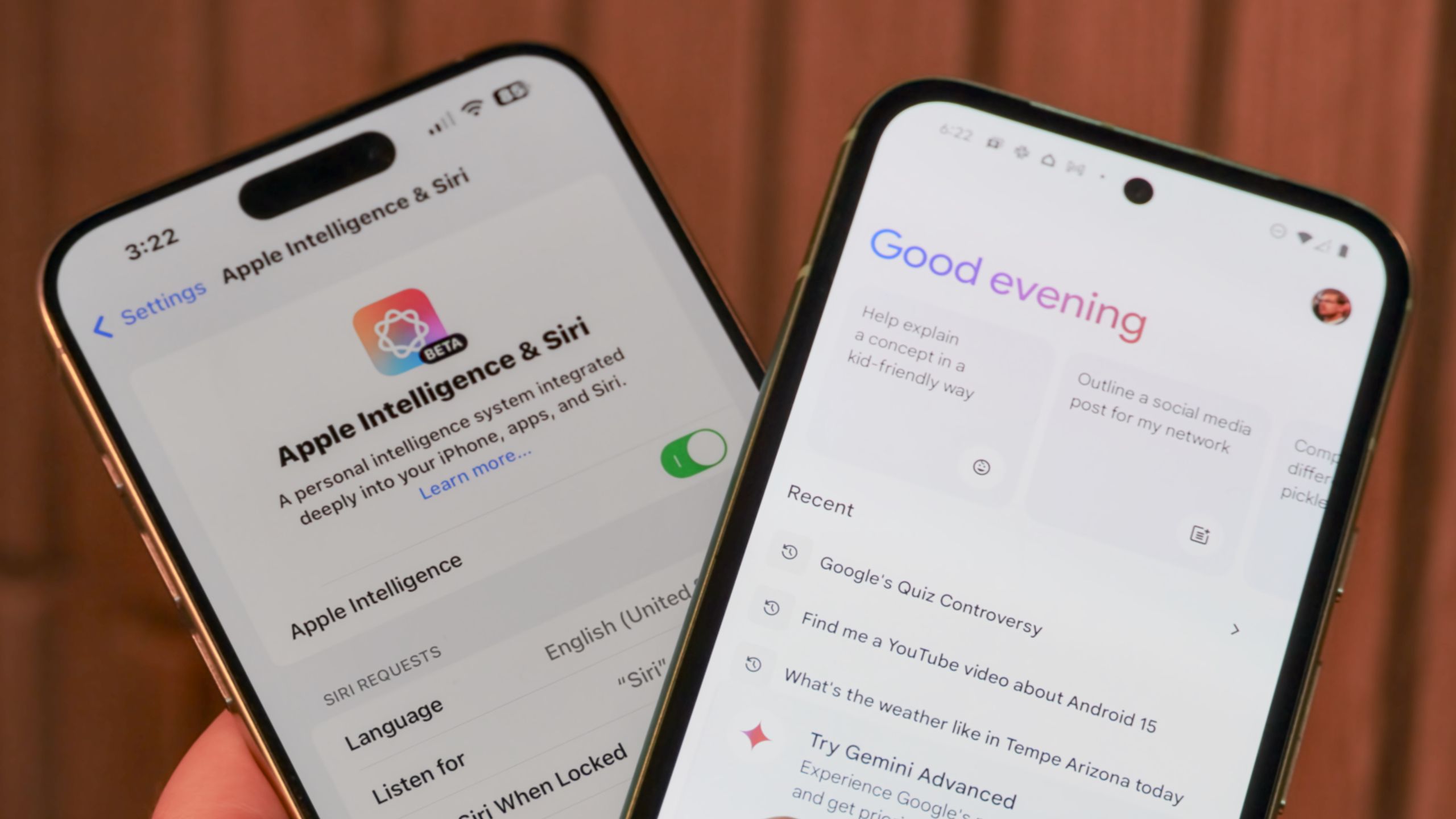

The tech world is buzzing with speculation about Apple’s strategy for artificial intelligence, and a surprising partnership with Google appears to be the most likely path forward. For years, Apple has prioritized a tightly controlled ecosystem, but the rapid advancements in AI are forcing a reevaluation of that approach.It’s becoming increasingly clear that building a competitive AI suite in-house would be a monumental undertaking, one that could potentially compromise Apple’s core strengths.
Why Apple is Turning to Google for AI
Developing a thorough AI foundation requires significant investment in both time and resources. I’ve found that even for a company as financially robust as Apple, catching up to pioneers like NVIDIA, IBM, and Google would be a decade-long endeavor. apple’s primary focus remains on crafting exceptional devices that customers adore, like the iPhone and MacBook. This dedication to product excellence is something Apple is unwilling to jeopardize.
Consequently, allowing features like Siri, and the forthcoming Apple Intelligence, to fall behind the competition is simply not an option. Consumers are now accustomed to elegant AI capabilities, and they expect their iPhones to deliver. Apple aims to meet-and exceed-these expectations,ensuring that each new iPhone is as beloved as the last.
This situation presents Apple with two viable options: acquire the necessary technology or collaborate with a leading AI innovator. A partnership with Google emerges as the most pragmatic solution, allowing Apple to leverage existing expertise and accelerate the integration of cutting-edge AI features by 2026, all while potentially saving significant costs.
Did You Know? According to a recent report by Statista, global AI spending is projected to reach $300 billion in 2026, highlighting the massive investment occurring in this field.
iOS will still be iOS
The next iteration of iOS won’t transform into a clone of Android, despite the increasing influence of Google Gemini within the system. Apple will steadfastly maintain it’s firm control over the user experience, ensuring that everything consumers see and interact with aligns with Apple’s design principles. Here’s what works best: by collaborating with Google, Apple can deliver the latest AI advancements to iPhone users without sacrificing its commitment to a seamless and intuitive operating system.
This collaboration represents a win-win scenario for both companies. Google gains a significant platform to showcase its AI capabilities, while Apple gains access to technology that would or else take years and billions of dollars to develop. It’s a strategic alliance that positions both companies for success in the rapidly evolving AI landscape.
Pro Tip: Keep an eye on Apple’s Worldwide Developers Conference (WWDC) in June 2024 for official announcements regarding the integration of AI features and the extent of the Google partnership.
As the demand for bright features continues to grow, Apple’s decision to partner with Google appears to be a shrewd move. It allows the company to remain competitive in the AI space while upholding its reputation for delivering exceptional user experiences. The future of iOS is undoubtedly intelligent, and it truly seems that intelligence will be powered, in part, by google.
| Feature | Apple’s Approach | Google’s Contribution |
|---|---|---|
| AI Foundation | Leveraging partnership | Providing core AI models (Gemini) |
| User Experience | Maintaining strict control | Enabling advanced features within iOS |
| Device integration | Seamless integration with iPhone & mac | Optimizing AI for Apple hardware |
Will this partnership fundamentally alter the competitive landscape of mobile operating systems? Only time will tell. Though, it’s clear that Apple recognizes the importance of AI and is taking decisive steps to ensure that its products remain at the forefront of innovation.The integration of Google’s AI technology into iOS promises a more intelligent and intuitive experience for iPhone users, and that’s a development worth watching closely.
Related reading