
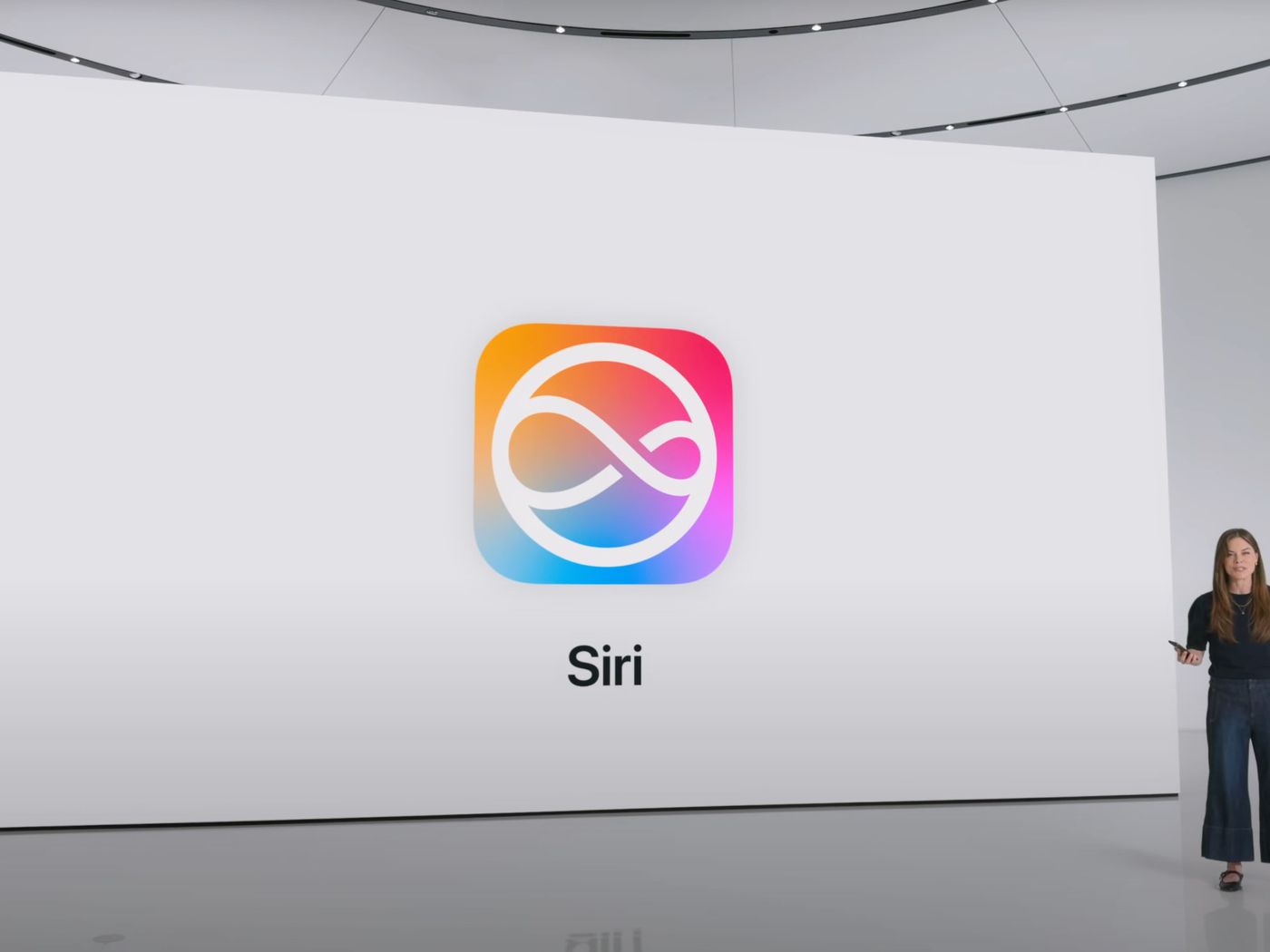
Apple has officially introduced Apple Intelligence, a generative AI system integrated into its latest operating system updates, marking a significant shift in how Siri functions across the company’s ecosystem. The technology, unveiled during the company’s recent software announcements, focuses on personal context, privacy-focused processing, and advanced language understanding, according to an official statement from Apple.
This update represents the most substantial overhaul of the digital assistant since its launch. By leveraging on-device processing and private cloud compute, the company aims to provide more nuanced responses while addressing increasing global scrutiny regarding data security and artificial intelligence deployment. The rollout is currently being managed in phases, with regional regulatory considerations influencing the availability of specific features, particularly within the European Union.
Integration of Apple Intelligence and the New Siri
The core of the recent announcement is the integration of generative models directly into the iOS, iPadOS, and macOS environments. Unlike previous iterations of Siri, which relied heavily on pre-programmed responses and basic web search capabilities, the new system utilizes large language models to better understand intent and context. Apple confirmed that these models are designed to handle complex requests, such as searching for specific files across emails, messages, and photos, and performing cross-app actions, as detailed in the company’s technical documentation.
This functionality relies on a hybrid approach. Simple queries are processed locally on the device to ensure speed and privacy. For more demanding tasks, the system utilizes “Private Cloud Compute,” which Apple states is designed to protect user data by ensuring that information is never stored or made accessible to the company, a claim that remains a focal point for privacy advocates and regulators alike.
Regulatory Challenges and EU Implementation
The deployment of these AI features has encountered resistance from European regulators. The European Commission has indicated that it does not intend to grant exemptions to the Digital Markets Act (DMA) for Apple’s new AI-driven tools. Under the DMA, large “gatekeeper” companies must ensure interoperability and fair access for third-party developers, which complicates the rollout of proprietary, deeply integrated features like the new Siri.
According to reports from the Financial Times and Reuters, Apple has opted to delay the introduction of several AI features in the European Union for the 2024 calendar year. This decision stems from concerns that the current design of Apple Intelligence might not fully align with the interoperability requirements mandated by EU law. The company is currently engaged in discussions with the European Commission to resolve these compliance issues before extending the service to European users.
Device Compatibility and Hardware Requirements
Not all devices will support the updated version of Siri. Due to the high computational power required for on-device generative AI, Apple has limited the availability of Apple Intelligence to devices equipped with the A17 Pro chip or newer, and M-series chips for iPads and Macs. This hardware-centric strategy ensures that the AI features operate with the latency and privacy standards the company has promised.
Users can verify their device compatibility through the official Apple Support portal. Generally, this includes the iPhone 15 Pro and iPhone 15 Pro Max, along with newer models, as well as Mac and iPad devices running on Apple Silicon. Older hardware, while capable of receiving standard iOS updates, will not have access to the full suite of generative AI enhancements.
Future Outlook and Upcoming Milestones
The next major checkpoint for Apple Intelligence involves the expansion of language support and the resolution of regulatory disputes in international markets. While English-language support is the current priority for the initial rollout, Apple has stated that additional languages and regional support will be added throughout 2025.
Ongoing discussions regarding the DMA will continue to dictate the timeline for European users. As the company prepares for these subsequent software iterations, users are encouraged to monitor official Apple developer updates for information on feature availability and regional compliance status. Readers are invited to share their experiences with the new Siri features or discuss how these changes affect their daily workflows in the comments section below.
Keep reading