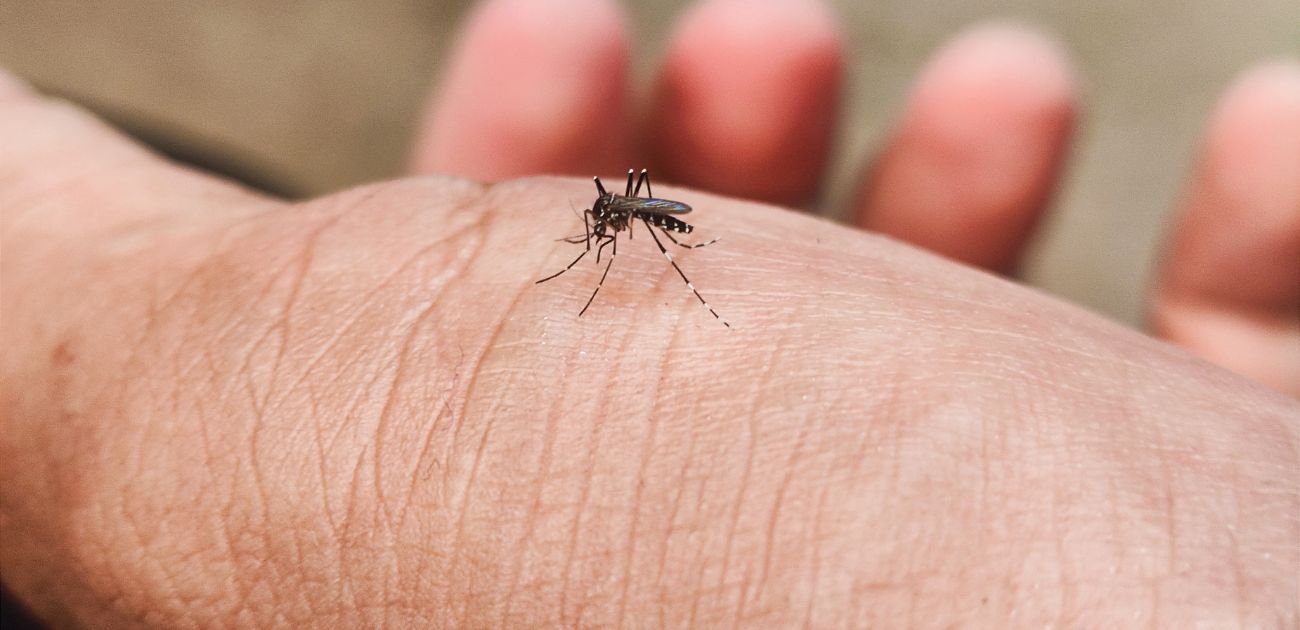
For individuals who wonder why they consistently attract more insect bites than companions during outdoor meals or barbecues, scientific research shows that the choice is not random. Only female mosquitoes bite humans, driven by the need for proteins found in blood to develop their eggs. Using their sense of smell, these insects can detect targets from a distance of about 10 meters, or 33 feet, primarily by tracking the carbon dioxide that humans exhale and release through the skin, as detailed by BBC.
How Carbon Dioxide and Body Heat Draw Mosquitoes
Individuals with higher metabolisms, larger physical frames, or those who have engaged in physical exercise produce greater amounts of carbon dioxide, rendering them more visible to searching insects. Pregnant women also expire higher volumes of carbon dioxide and exhibit elevated body temperatures, making them twice as attractive to mosquitoes compared with non-pregnant women, according to findings reported by BBC.
The Role of Body Heat, Sweat, and Skin Odors
Once mosquitoes approach closer to their targets, they rely on a cascade of additional sensory cues. Body heat becomes a decisive factor once the insects land, as they actively seek out areas where blood circulates close to the skin’s surface. Consequently, people with naturally higher body temperatures face an increased risk of being bitten, according to insights shared in reports by aufeminin.com.
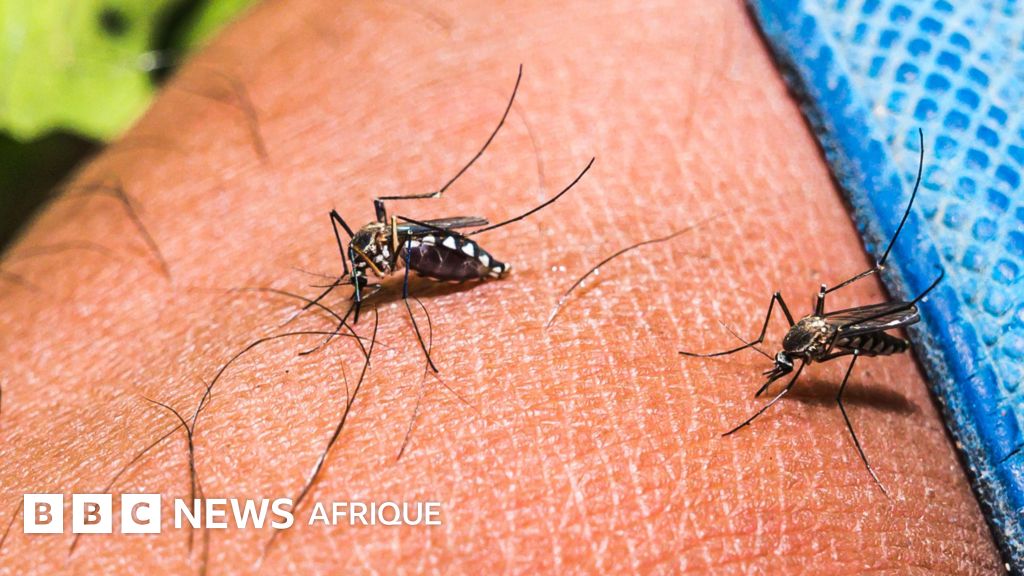
Perspiration also plays a critical role by releasing chemical compounds such as ammonia and lactic acid, which signal to mosquitoes that they are near a blood source. Skin odor acts as a primary determinant in who gets bitten, with human skin producing more than 500 distinct volatile organic compounds. Researchers at Rockefeller University in the United States analyzed the skin odor of 64 individuals who wore nylon sleeves for six hours to better understand these attractants, as noted by BBC.
Debunking Common Myths About Mosquito Attractants
Several persistent myths surround what attracts mosquitoes to human targets. Popular belief often points to “sweet blood,” but scientists emphasize that it is impossible for a mosquito to ascertain sugar levels prior to biting.

Another common misconception involves household lighting. Many people extinguish all lamps when opening windows to keep insects away, but unlike moths, mosquitoes are driven primarily by carbon dioxide rather than light, rendering UV lamps and dark rooms ineffective deterrents. Visual cues do matter to a degree, however, as mosquitoes flying near the ground to avoid wind can more easily spot individuals wearing dark clothing, such as black or navy blue, which creates a stronger contrast against the horizon.
Lifestyle Triggers and Practical Prevention Strategies
Certain lifestyle habits can inadvertently increase personal attractiveness to mosquitoes. Melissa Piliang, a dermatologist at the Cleveland Clinic, explains that physical activity, elevated body temperatures, and alcohol consumption elevate metabolic rates and encourage the release of targeted chemical signals. Specifically, studies have shown that consuming a single can of beer is enough to heighten the risk of attracting mosquitoes, alongside factors like pregnancy and excess weight, as outlined by aufeminin.com.
To mitigate the risk of bites, specialists recommend several evidence-backed protective measures:
- Avoid peak mosquito activity periods around sunrise and sunset.
- Wear loose, covering, and breathable clothing, ideally in light colors.
- Apply insect repellents containing DEET, picaridin, or IR3535, which are recognized as the most effective chemical options.
- Use lemon eucalyptus essential oil as a leading natural alternative, keeping in mind that its efficacy is generally lower than chemical counterparts.
- Utilize fans, as mosquitoes struggle to navigate in moving air.
- Install mosquito nets for uninterrupted sleep, noting that citronella candles and bracelets offer only short-lived and localized protection due to limited scientific backing.
Keep reading