
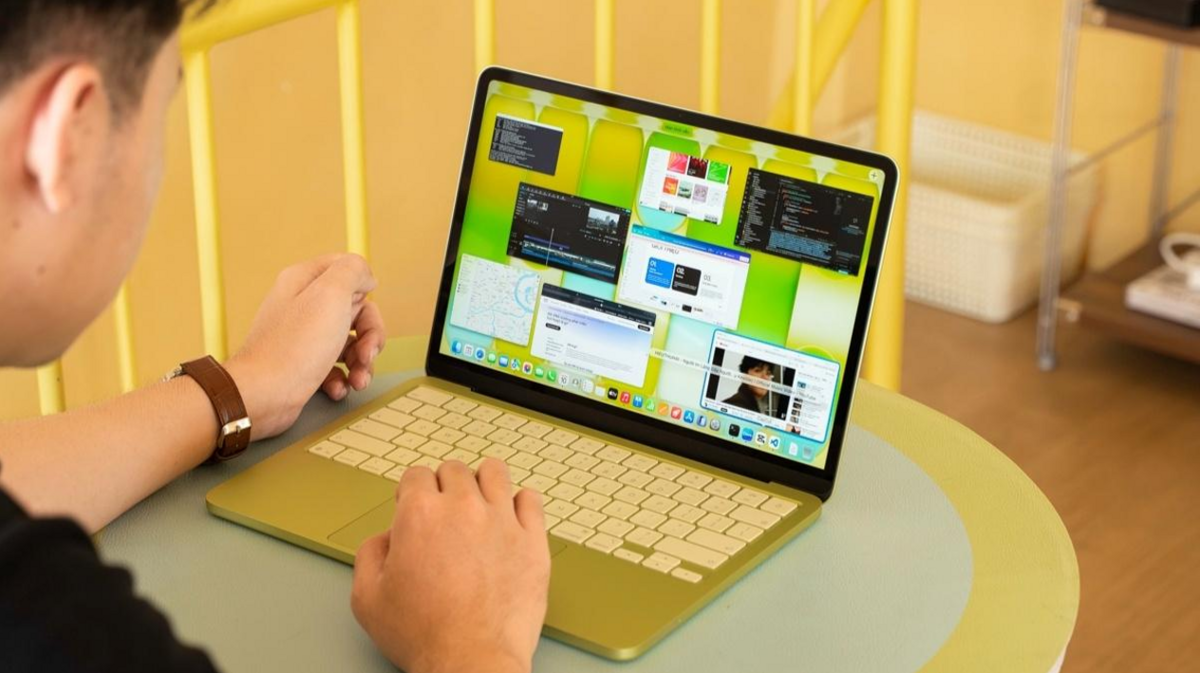
Apple has expanded its Mac lineup with the introduction of the MacBook Neo, a new entry-level laptop designed to balance high-end performance with a more accessible price point. Positioned as a successor to the original base-model MacBook, the Neo targets users who need a reliable, portable machine without the premium cost of the Air or Pro series.
The device is powered by the A18 Pro chip, bringing a level of efficiency and speed typically reserved for high-end mobile hardware to a budget-friendly form factor. With a focus on sustainability and modern AI integration, the MacBook Neo represents a strategic shift in how Apple approaches its consumer electronics portfolio, blending the power of the A-series silicon with the versatility of macOS.
Available in four distinct colors—Silver, Blush, Citrus, and Indigo—the MacBook Neo is built from a recycled aluminum enclosure. This design choice allows Apple to achieve a record 60% recycled material content by weight, the highest ever for an Apple product according to official specifications.
Performance and the A18 Pro Architecture
At the heart of the MacBook Neo is the A18 Pro chip, which enables the machine to handle daily tasks with significant speed. Early user feedback indicates that the device feels more responsive than some desktop setups, with reports suggesting that RAM limitations are rarely an issue during standard operation based on community hands-on reviews.

Beyond raw speed, the A18 Pro serves as a powerful platform for artificial intelligence. The MacBook Neo comes with Apple Intelligence built-in, providing a layer of “smart” functionality across the operating system. This integration is designed to function in tandem with the broader Apple ecosystem, offering “magical” connectivity with the iPhone to enhance productivity and workflow.
Battery life is another standout feature of the A18 Pro implementation. The MacBook Neo is rated for up to 16 hours of battery life on a single charge as stated by Apple. User reports echo this claim, describing the battery endurance as exceptional to the point where users rarely need to monitor the remaining percentage during a typical day of leverage.
Display and Hardware Design
The MacBook Neo features a 33.0cm (approximately 13-inch) Liquid Retina display. This screen is engineered for clarity and brightness, offering a peak brightness of 500 nits and supporting 1 billion colors per Apple’s technical details. The high resolution ensures that photos, websites, and videos are rendered with vivid color and sharp detail.
The physical build maintains Apple’s reputation for premium finishing. The chassis is constructed from durable recycled aluminum, providing a rigid frame that protects the internal components while remaining lightweight. The keyboard and trackpad experience are handled by the Magic Keyboard, which is designed for precision and comfort, paired with a spacious Multi-Touch trackpad that supports a variety of gestures, including tapping, pinching, and swiping.
For security and accessibility, the MacBook Neo includes Touch ID. This allows users to unlock their device, log into apps and websites, and complete app downloads with a simple fingerprint touch.
Technical Specifications Overview
| Feature | Specification |
|---|---|
| Processor | A18 Pro Chip |
| Display | 33.0cm Liquid Retina (500 nits) |
| Battery Life | Up to 16 hours |
| Material | 60% Recycled Aluminum (by weight) |
| Colors | Silver, Blush, Citrus, Indigo |
| Security | Touch ID |
Software and Ecosystem Integration
Running on macOS, the MacBook Neo supports all essential applications while maintaining a lightweight and responsive feel. The software experience is bolstered by built-in privacy and security features, including native anti-virus protection, ensuring that users can operate with peace of mind.
The device is specifically optimized for the Apple ecosystem. The integration between the MacBook Neo and the iPhone allows for a seamless transition between devices, enabling users to leverage features across both platforms more effectively. Apple continues to provide free software updates to ensure the device remains current and secure.
Positioned as a “budget” or “entry-level” Mac laptop, the Neo fills the gap left by the original MacBook line as noted in community documentation. It offers a point of entry for students and casual users who want the macOS experience and Apple’s build quality without the higher price tags associated with the MacBook Air or MacBook Pro.
As of April 2026, the MacBook Neo is officially available through Apple’s retail channels, offering a colorful and capable alternative for the global consumer market. With the A18 Pro chip providing a foundation for future AI updates, the device is positioned not just as a budget option, but as a forward-looking tool for the modern digital landscape.
For those interested in the latest updates on Apple’s hardware roadmap or software iterations, official announcements are typically posted on the Apple Newsroom. We encourage readers to share their experiences with the MacBook Neo in the comments below.