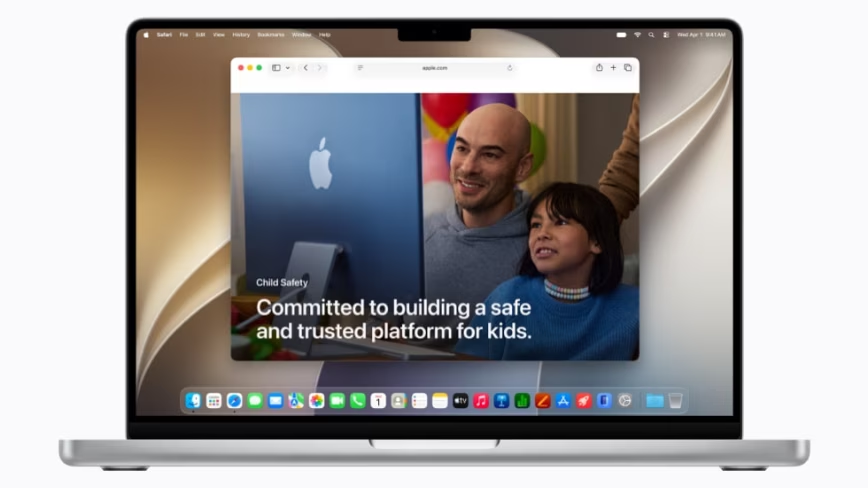
Apple has introduced a major expansion of its parental control capabilities during its WWDC 2026 keynote, providing parents with significantly more control over how children interact with Apple devices. These new tools, which offer granular authority over app usage, communication, and content, are scheduled to arrive this autumn with the release of iOS 27, iPadOS 27, and macOS 27. The announcement comes as the technology giant prepares for upcoming regulatory deadlines in the United Kingdom and the United States regarding digital safety for minors.
The update marks a shift from the basic time-management tools previously available in Apple’s Screen Time ecosystem toward a more sophisticated, permission-based model. By giving parents the ability to dictate not just how long a child spends on a device, but also who they can contact and what specific content they can access, Apple is addressing some of the most pressing concerns in modern digital parenting.
A New Level of Granular Control for Parents
The core of the WWDC 2026 announcement centers on providing “granular authority.” For years, parental controls have largely functioned through broad strokes—blocking entire categories of apps or setting a total daily time limit. The new suite of tools under iOS 27 and its sister operating systems allows for much more specific interventions.
One of the most significant additions is the enhanced communication management. Parents can now exert more direct control over who a child can contact through various Apple services. This feature is designed to prevent unverified or unknown users from initiating contact, creating a more controlled environment for messaging and social interactions. This move addresses a long-standing vulnerability in digital safety where traditional filters could be bypassed through direct messaging features in third-party apps.
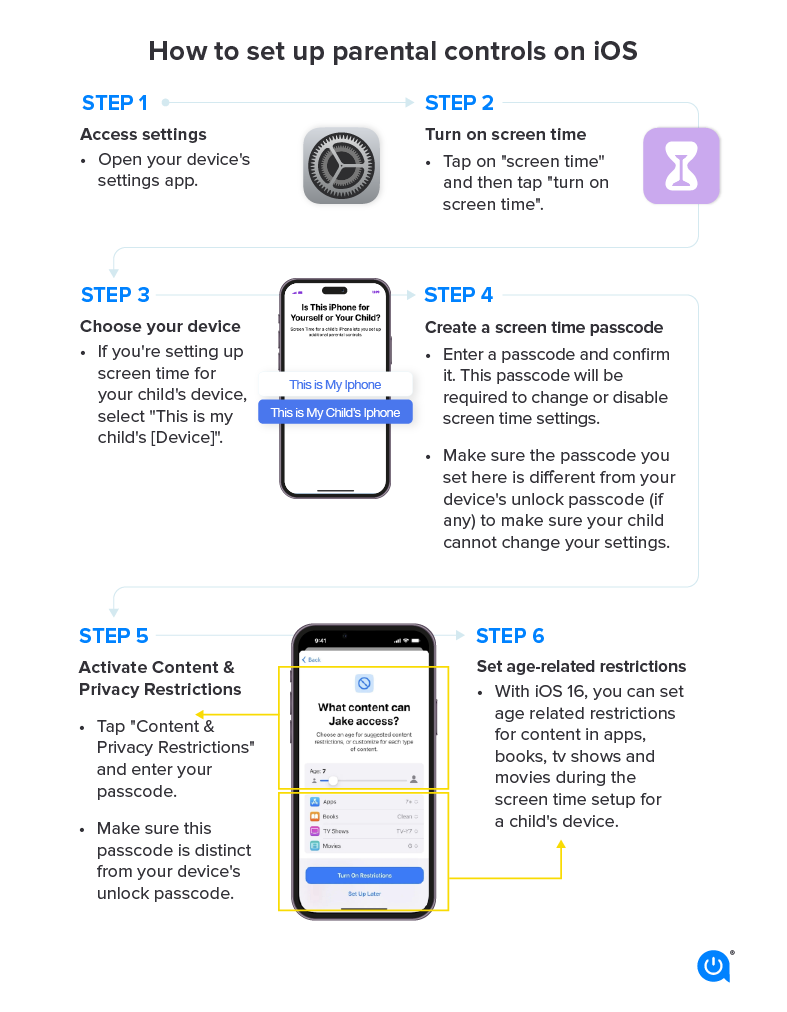
Content visibility is also being overhauled. Rather than relying on generic age ratings, the new tools allow parents to manage content with higher precision, potentially filtering specific themes or types of media within apps. This is paired with updated app store age ratings that aim to provide a more accurate reflection of a child’s digital experience.
Additionally, the updates will refine how app usage is monitored and limited. Instead of a simple “on or off” switch, the new system allows for more nuanced scheduling and usage permissions, giving parents the ability to tailor the digital experience to a child’s specific age and developmental stage.
The Regulatory Clock: Why the Timing Matters
The release of these tools is not occurring in a vacuum. Apple’s decision to preview these features now—just weeks before significant regulatory deadlines in the UK and US—suggests a proactive approach to a tightening legal environment. Tech companies are facing increasing pressure to move beyond voluntary safety measures and toward mandatory, built-in protections.
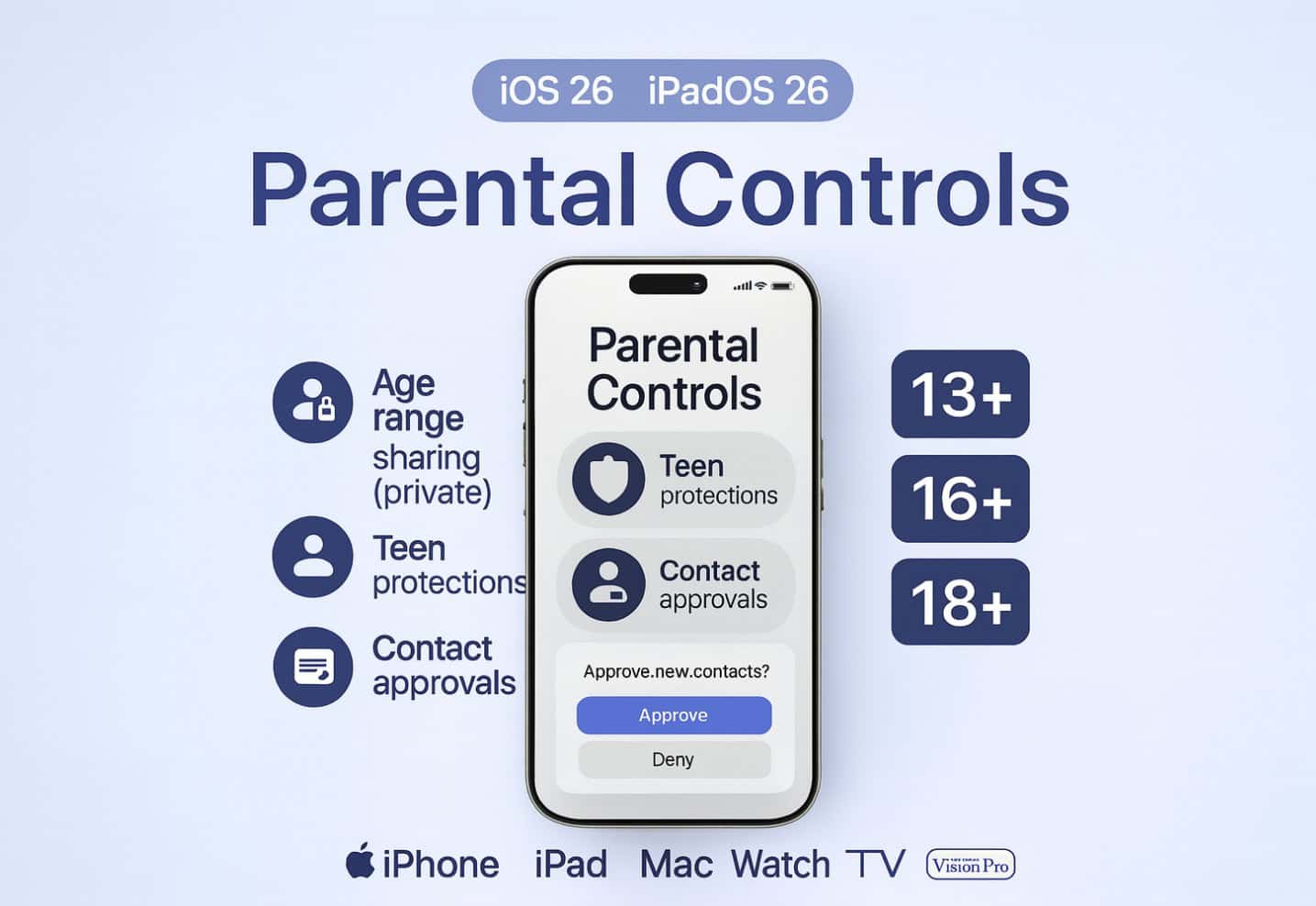
In the United Kingdom, the enforcement of the Online Safety Act has placed a heavy emphasis on “age-appropriate design.” Regulators, led by Ofcom, have been clear that platforms must take active steps to protect children from harmful content and prevent them from being contacted by unauthorized users. By integrating these controls directly into the operating system, Apple is positioning its hardware and software as a primary line of defense in meeting these standards.
The United States is seeing a similar trend. While federal legislation like the Kids Online Safety Act (KOSA) has faced various legislative hurdles, the momentum toward requiring heightened safety defaults for minors is undeniable. Furthermore, several US states have moved forward with their own age-verification and digital safety mandates. Apple’s rollout of iOS 27 features appears to be a strategic attempt to standardize safety across these varying jurisdictions, ensuring that their devices remain compliant regardless of the specific local law.
Privacy vs. Protection: Apple’s Balancing Act
A recurring challenge for Apple has always been the tension between user privacy and the necessity of safety oversight. The company has built its brand on the principle that “privacy is a fundamental human right,” which often complicates the implementation of features that require monitoring user behavior.
To address this, Apple is attempting to build these parental controls with privacy at the core. The new tools are designed to function through localized device management rather than through invasive cloud-based monitoring. This approach allows parents to set boundaries and receive alerts without necessarily compromising the end-to-end encryption that protects the child’s private data from third-party access.
The technical implementation of these features relies on the existing architecture of Apple Accounts and Family Sharing. By streamlining the management of Child Accounts, Apple is making it easier for parents to deploy these protections from the moment a device is first set up. This “safety by default” philosophy is a direct response to critics who argue that safety features should not be an optional add-on, but a fundamental component of the user experience for minors.
Summary of iOS 27 Parental Updates
- Granular Contact Management: Enhanced ability to control who can initiate communication with a child.
- Precision Content Filtering: More detailed control over the types of media and content visible within apps.
- Advanced App Authority: Moving beyond simple timers to more complex, permission-based usage rules.
- Streamlined Account Setup: Easier integration of Child Accounts within the Family Sharing framework.
- Updated App Store Ratings: More accurate age-appropriateness labeling to assist parental decision-making.
The Broader Impact on the Tech Industry
Apple’s move is likely to trigger a response from other major players in the consumer electronics and social media sectors. As the “gold standard” for device integration, Apple’s implementation of these features sets a new benchmark for what is expected from a modern operating system. If these granular controls become the industry norm, competitors will be forced to offer similar levels of oversight to remain competitive in the family-oriented market.
/stackumbrella/media/media_files/2026/03/24/apple-wwdc-2026-2026-03-24-12-11-48.png "Summary of iOS 27 Parental Updates")
This shift also changes the conversation from “how much time should a child spend online” to “how can we make the time they spend online safer.” The focus is moving away from simple restriction and toward meaningful, informed supervision. For the tech industry, this represents a transition from a period of rapid, unregulated growth to an era of accountability and design-led safety.
As we look toward the autumn release, the success of these features will be measured by how effectively they balance the need for parental oversight with the privacy rights of the children they are meant to protect. Whether these updates will be enough to satisfy global regulators remains to be seen, but they certainly represent the most significant step Apple has taken in this direction to date.
The next major milestone for these features will be the release of the public beta versions of iOS 27 and macOS 27, which will allow developers and early adopters to test the new controls in real-world scenarios.
What do you think about Apple’s new approach to parental controls? Do these features go far enough, or do they present new privacy concerns? Share your thoughts in the comments below and share this article with your network.
Keep reading